Why Londonderry Is a County Worth Getting Serious About Eco Improvements
Londonderry is one of Northern Ireland’s most distinctive counties, a place where the ancient walled city of Derry sits alongside the wide open stretches of the Causeway Coast, rolling farmland, and the dramatic shores of Lough Foyle. With around 109,000 residents spread across a relatively compact area, this is a county where communities know each other, and where a recommendation from a neighbour genuinely matters.
But here’s the honest truth about homes in Londonderry, the county has a real energy efficiency challenge on its hands. Many properties were built during periods when insulation was an afterthought, and a large number of households are off the gas grid entirely, relying on oil boilers that are both expensive to run and increasingly out of step with where energy technology is heading.
The good news is that Northern Ireland in 2026 has a genuinely strong set of grant schemes designed specifically for homes like yours. If you’re in a terraced house in the Bogside, a semi-detached in Coleraine, or a rural property between the two, there are real improvements you can make that will cut your bills, improve your comfort, and add value to your home. This guide covers everything you need to know.
Understanding Energy Performance Across the County
The average EPC rating across Londonderry sits at Band D, which puts the county right at the national average for the UK. That might sound reassuring, but Band D actually means there’s a significant amount of heat loss happening in most homes, and that’s costing you money every single month.
A Band D home typically loses heat through poorly insulated walls, draughty windows, and an ageing heating system. In practical terms, a typical semi-detached home in Londonderry is likely spending somewhere between £1,800 and £2,400 per year on energy, higher than many parts of England because of the county’s colder winters and heavy reliance on oil heating rather than mains gas.
Different parts of the county tell different stories for housing efficiency:
- Derry city has a large stock of older terraced housing, much of it built in the Victorian era and the early-to-mid twentieth century. These homes often have solid walls rather than cavity walls, which makes insulation more challenging, and more important.
- Coleraine and surrounding areas tend to have a higher proportion of post-war and 1970s semi-detached properties. These often have cavity walls that are suitable for insulation, and many still haven’t had it done.
- Rural and semi-rural properties across the county are frequently off the gas grid, running on oil heating. These homes often have the most to gain from switching to a heat pump or solar thermal system.
If you’re on oil heating, you already know how volatile that fuel price can be. The average gas usage across Londonderry is 13,500 kWh per year, but many oil-heated homes are consuming the equivalent of significantly more in heating costs once you factor in the higher cost per unit of oil. Electricity usage averages 3,400 kWh per year, which is broadly typical, but that figure tends to rise when homes don’t have efficient heating alternatives.
The Main Eco Home Services Available to Londonderry Residents
Across the county, a full range of eco home improvements is available, from quick wins that cost a few hundred pounds to larger installations that could transform your home’s energy performance entirely. Here’s a practical overview of what’s on offer.
Solar Panels
Solar photovoltaic (PV) panels generate electricity from daylight, not just direct sunshine, which matters a lot here. With around 850 to 1,000 sunshine hours per year, Londonderry sits in the moderate range for solar, and panels will generate meaningful electricity for around eight months of the year. Paired with a battery storage system, you can use that energy in the evenings too. Typical installation costs range from £5,000 to £9,000 for a standard home system.
Air Source Heat Pumps
For homes currently on oil heating, an air source heat pump is one of the most impactful upgrades you can make. These systems extract heat from the outside air, even when it’s cold, and use it to heat your home and hot water. They’re particularly well-suited to the Northern Ireland housing stock, and the Boiler Upgrade Scheme makes them significantly more affordable. Typical costs before grant are £8,000 to £14,000.
Insulation
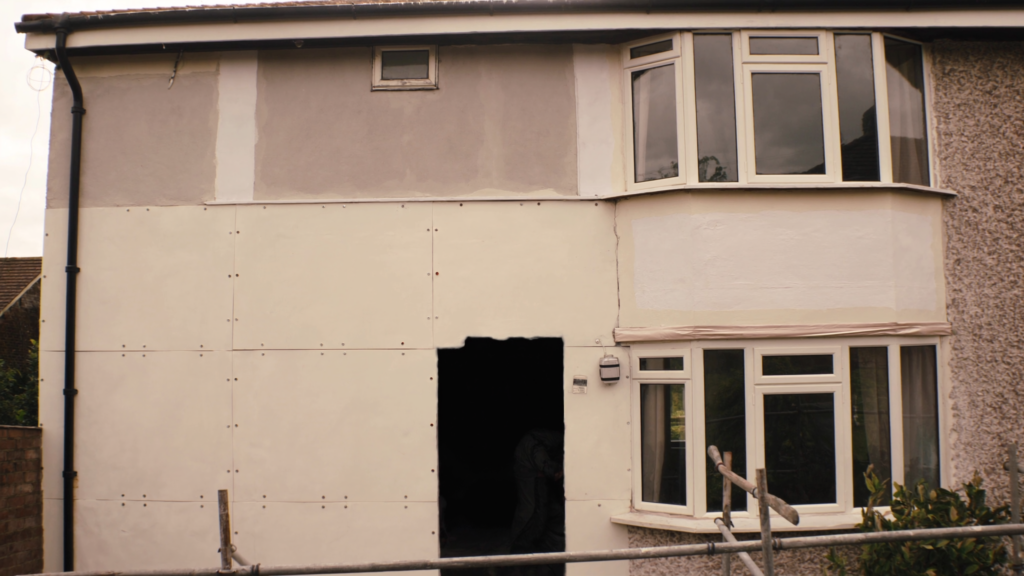
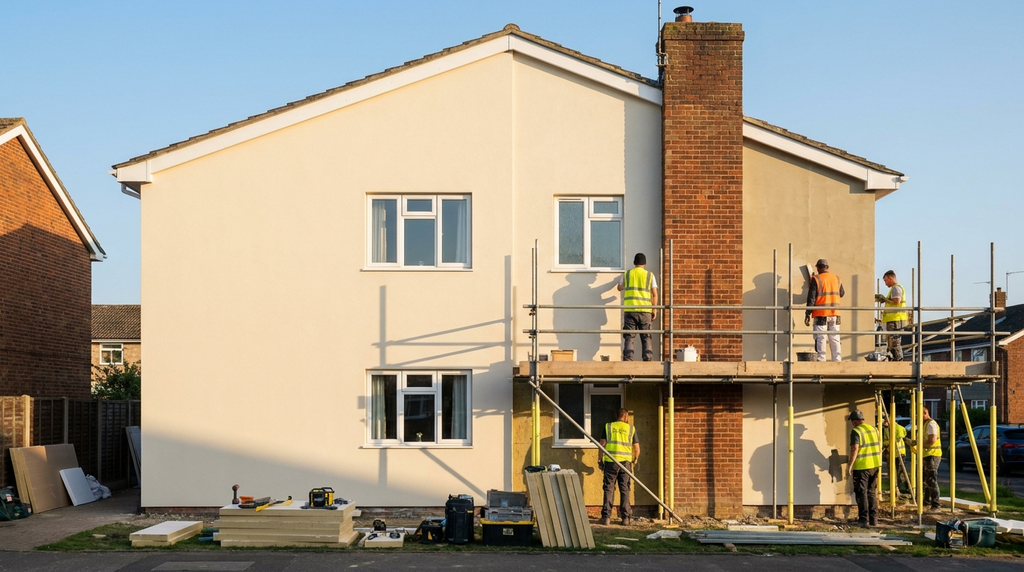
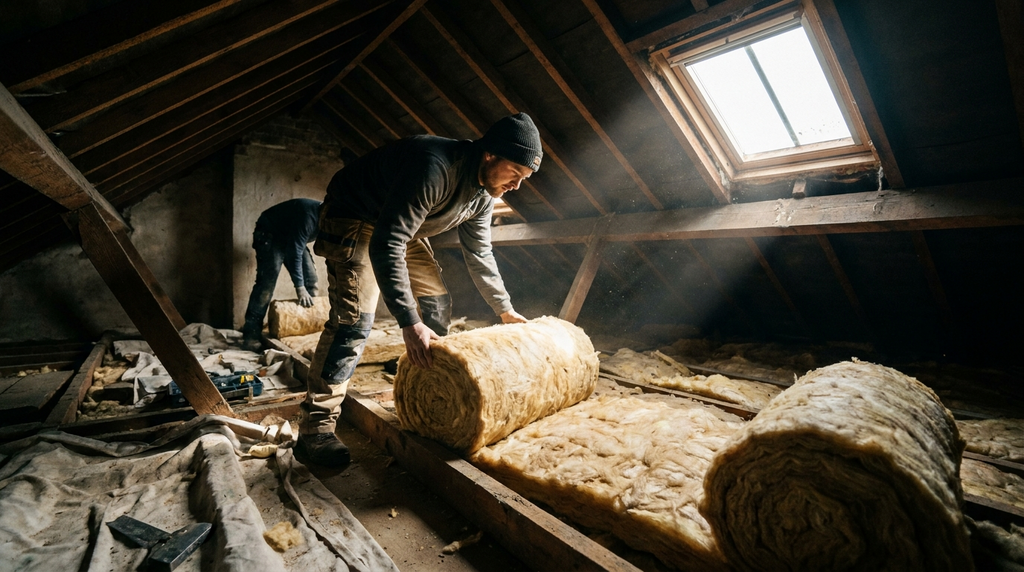
This is often the single most cost-effective upgrade you can make. Cavity wall insulation, loft insulation, and solid wall insulation (for older terraced properties) all reduce heat loss dramatically. Loft insulation can cost as little as £300 to £600 and pay for itself within two to three years. Cavity wall insulation typically runs to £500 to £1,200. Solid wall insulation is more expensive at £8,000 to £20,000, but grants can cover a substantial portion of this for eligible households.
Double and Triple Glazing
Replacing single-glazed windows with modern double or triple glazing makes a noticeable difference to both warmth and draught reduction. In older Derry city properties especially, window upgrades are often one of the first things homeowners notice the benefit of. Costs typically range from £400 to £700 per window depending on size and specification.
Smart Controls and Energy Monitoring
Smart thermostats, zone controls, and energy monitors aren’t glamorous, but they’re affordable and effective. A smart thermostat typically costs £150 to £300 fitted and can reduce heating bills by 10 to 15 percent on its own.
Solar Thermal and Battery Storage
Solar thermal panels heat water directly using the sun’s energy, complementing a heat pump or oil boiler setup. Battery storage systems paired with solar PV allow you to store daytime generation for evening use, improving the financial return on your solar investment significantly.
Typical Costs and Savings for Common Londonderry Property Types
The table below gives you a realistic picture of what you’d spend, what you’d save, and how long it takes to see a return, based on the typical housing stock and energy prices seen across the county in 2026.
| Improvement | Terraced House (typical cost) | Semi-Detached (typical cost) | Estimated Annual Saving | Approximate Payback Period |
|---|---|---|---|---|
| Loft insulation | £300 – £500 | £400 – £600 | £150 – £250 | 2 – 3 years |
| Cavity wall insulation | £500 – £900 | £700 – £1,200 | £200 – £400 | 2 – 4 years |
| Solid wall insulation (external) | £8,000 – £14,000 | £10,000 – £20,000 | £400 – £700 | 15 – 25 years (shorter with grants) |
| Solar PV (no battery) | £5,000 – £7,000 | £6,000 – £9,000 | £400 – £650 | 10 – 14 years |
| Solar PV with battery storage | £8,000 – £12,000 | £9,000 – £14,000 | £600 – £900 | 11 – 15 years |
| Air source heat pump | £8,000 – £12,000 | £9,000 – £14,000 | £500 – £900 (vs oil) | 10 – 16 years (shorter with BUS grant) |
| Double glazing (full house) | £3,500 – £6,000 | £4,500 – £8,000 | £100 – £250 | 20 – 30 years |
| Smart thermostat | £150 – £250 | £150 – £300 | £100 – £180 | 1 – 2 years |
A practical tip, combining improvements often unlocks better grant eligibility and gives you a much faster overall payback. Insulating your home before fitting a heat pump, for example, means the heat pump works more efficiently from day one.
Grants and Funding Available to Londonderry Homeowners in 2026
Northern Ireland operates a separate energy market and has its own specific grant schemes alongside UK-wide programmes. This actually works in your favour, you have access to more funding routes than homeowners in many parts of England.
The Boiler Upgrade Scheme (BUS)
Available across Northern Ireland, this scheme offers a £7,500 grant towards the cost of an air source heat pump. Given that many Londonderry homes are on oil heating, this is one of the most relevant grants going. It’s paid directly to your installer and comes straight off the installation quote you receive.
ECO4 (Energy Company Obligation)
ECO4 requires large energy suppliers to fund insulation and heating upgrades for lower-income and vulnerable households. If your home is EPC Band D or below and you receive certain benefits, including Universal Credit, Pension Credit, or Child Tax Credit, you may qualify for fully funded insulation, glazing, or heating upgrades. It’s worth checking eligibility even if you’re not sure, as the criteria are broader than many people expect.
Great British Insulation Scheme (GBIS)
GBIS targets homes in EPC Bands D to G for insulation support. Unlike ECO4, it doesn’t require you to be on benefits, any homeowner in a Band D property or below can apply, though the level of funding varies. For many Londonderry homes sitting at Band D, this is a direct and accessible route to subsidised loft or cavity wall insulation.
NISEP, Northern Ireland Sustainable Energy Programme
NISEP is Northern Ireland’s equivalent energy efficiency scheme and is administered through the utility companies operating in the region. It funds insulation measures and heating controls for eligible households. Your energy supplier can advise you on current eligibility criteria and what’s available under the latest NISEP obligations.
Affordable Warmth Scheme
This is a Northern Ireland Executive scheme specifically aimed at lower-income households in fuel poverty. It can fund central heating installations, insulation, and boiler replacements, and for households on oil heating in rural parts of Londonderry, this can be a genuinely life-changing source of support. Applications are made through your local council.
Home Energy Scotland and NI Comparisons
Northern Ireland’s funding landscape in 2026 is notably more generous than in some other UK regions, particularly for rural off-grid properties. If a neighbour in Donegal or Scotland mentions a scheme you haven’t heard of, always check whether a Northern Ireland equivalent exists, it often does.
Planning Permission and Local Authority Considerations
Planning permission is something that catches homeowners off guard more often than it should, so it’s worth knowing the basics before you start booking any installation.
In Londonderry, planning applications fall under two main local authority areas. Derry City and Strabane District Council handles planning for the city of Derry and a large swathe of the western county. Causeway Coast and Glens Borough Council covers Coleraine and the northern coastal areas. Each council has its own planning portal where you can check requirements and submit applications.
Solar Panels
Most solar panel installations on residential roofs fall under Permitted Development rights in Northern Ireland, meaning no planning permission is needed, provided the panels don’t protrude more than 200mm from the roof surface and aren’t on a listed building or in a designated conservation area.
Heat Pumps
Air source heat pumps are also generally covered by Permitted Development for standard residential properties. The main requirement is that the unit isn’t installed on a wall or roof facing a road, and that noise levels meet specified limits. Your installer will check this as part of the survey process.
Conservation Areas and Listed Buildings
Derry’s historic walled city and several surrounding areas carry conservation area status. If your home is within a conservation area or is a listed building, you’ll need to seek Listed Building Consent or planning permission before making external changes. This is important for external wall insulation, solar panels, and new windows in particular. The councils are generally supportive of energy improvements, but they do want to review how they’re done in sensitive areas.
Solid Wall Insulation
External solid wall insulation changes the appearance of your home, so planning permission is usually required, especially in conservation areas. Internal wall insulation avoids this issue but does reduce room dimensions slightly. An installer will help you weigh up the options for your specific situation.
How Londonderry’s Climate Shapes the Best Eco Choices
Living in the northwest of Northern Ireland means you get a particular combination of weather that genuinely influences which eco improvements are worth prioritising.
Winters here are cold, with 1,800 to 2,200 heating degree days per year, you’re heating your home for a long season. That makes insulation the single most impactful place to start. Every pound you spend on keeping heat inside your home pays back faster in Londonderry than it would in, say, Kent.
Rainfall is significant, typically 1,000 to 2,000mm per year, and the prevailing westerly winds mean that external surfaces take a real battering. This has a couple of practical implications:
- External wall insulation systems need to be specified for high-exposure environments. Not all systems are rated for this, so make sure your installer is using products appropriate for western coastal conditions.
- Solar panels will benefit from regular cleaning, rain washes off light dust, but algae and moss can build up in wetter climates. Factor in a panel clean every year or two.
- The wind exposure across much of the county is actually an asset if you’re considering a small domestic wind turbine, though these require more significant planning engagement than solar.
Solar generation is moderate but consistent. 850 to 1,000 sunshine hours per year means panels won’t generate as much as they would in Cornwall, but they’ll still produce meaningful amounts, especially in spring