The single most important difference between split and monobloc heat pumps
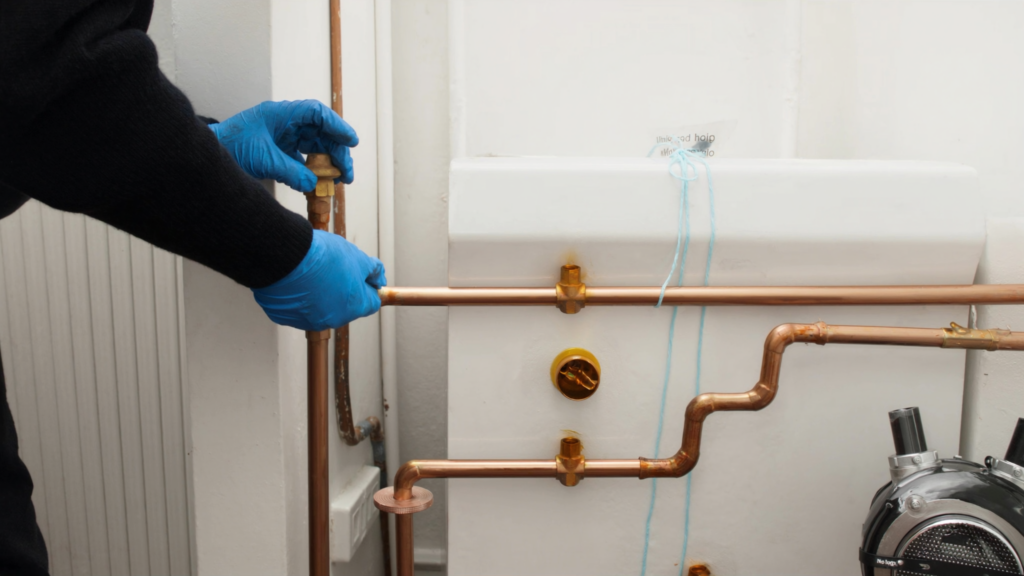
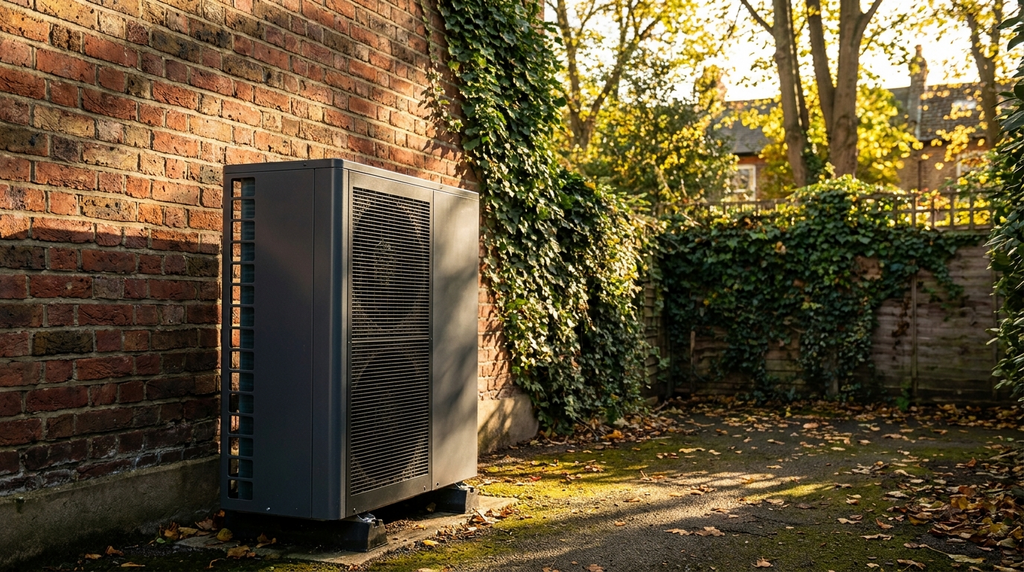
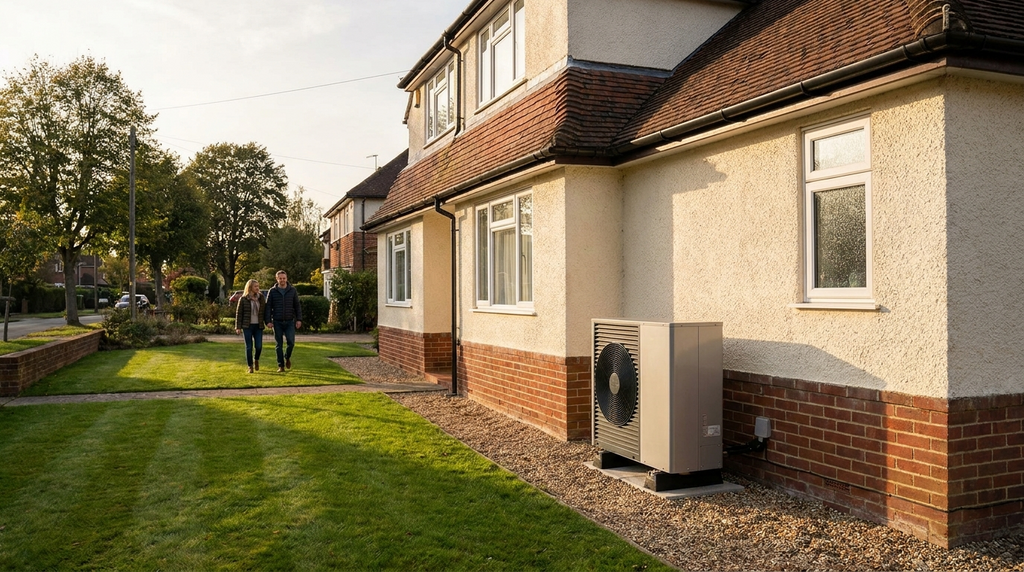
A heat pump transfers heat from outside air into your home using a refrigerant cycle. The main difference between a split and a monobloc system is where the refrigerant components are located. A monobloc system has all refrigerant components housed in a single outdoor unit; a split system separates the outdoor compressor and condenser from an indoor unit containing the evaporator and expansion valve.
The main difference is indoor space: monobloc systems need none, while split systems require room for an indoor unit. Both types cost £7,000–£13,000 before the £7,500 BUS grant and deliver comparable heating performance. Check your indoor space first to decide.
- Monobloc houses all refrigerant components in one outdoor unit.
- Split system requires indoor space for the evaporator unit.
- Both types qualify for the £7,500 Boiler Upgrade Scheme grant.
- Heating performance is comparable for split and monobloc systems.
- Check MCS certification and SCOP of 2.8 to claim the grant.
- The single most important difference between split and monobloc heat pumps
- Eligibility for the Boiler Upgrade Scheme (BUS) grant, both types qualify
- Quick numbers, cost, space, and efficiency comparison
- How indoor space requirements determine eligibility for split systems
- Refrigerant handling, why this affects installer eligibility and homeowner choice
- How to verify your installer for either system type
- The direct answer, which type suits which UK home
The choice affects installation cost, indoor space requirement, and refrigerant handling, not heating performance, which is comparable for both types. For most UK homes, the key deciding factor is whether you have suitable indoor space for the split system’s indoor unit and can accommodate a larger outdoor unit for the monobloc.
Eligibility for the Boiler Upgrade Scheme (BUS) grant, both types qualify
The BUS grant currently offers £7,500 in England and Wales for air-source heat pumps. This grant applies to both split and monobloc heat pumps, provided the system is MCS-certified and installed by an MCS-accredited installer (GOV.UK Boiler Upgrade Scheme guidance, 2026).
The grant is not dependent on the type of heat pump, only that it meets minimum efficiency standards. The system must achieve a Seasonal Coefficient of Performance (SCOP) of at least 2.8 for air-source heat pumps. SCOP measures the average efficiency over a heating season; a SCOP of 3.0 means the system delivers three units of heat for every one unit of electricity used.
Eligibility is lost if the property is non-self-contained, such as a flat in a block without individual heating, or if the applicant has already received a BUS grant for the same property. To confirm eligibility, check your installer is on the MCS register and that the proposed system will achieve the required SCOP.
Quick numbers, cost, space, and efficiency comparison
| Feature | Monobloc | Split |
|---|---|---|
| Outdoor unit size (approx.) | 1,100 × 900 × 400 mm | 900 × 750 × 350 mm |
| Indoor space required | None (all components outdoors) | 0.5–1.0 m² (hydrobox or indoor cassette) |
| Typical installation cost range | £7,000–£13,000 | £8,000–£15,000 |
| R32 refrigerant charge | 2.5–4.0 kg (sealed, pre-charged) | 1.5–3.0 kg (pre-charged lines, connected on site) |
| SCOP range | 2.8–4.5 | 2.8–4.5 |
| BUS grant eligibility | Yes (if MCS-certified) | Yes (if MCS-certified) |
Cost ranges are based on Energy Saving Trust data for 2026 installations (Energy Saving Trust, 2026). SCOP ranges follow the MCS 007-1 standard (MCS register, 2026). Refrigerant data is from manufacturer technical datasheets, such as Mitsubishi Ecodan and Vaillant models.
How indoor space requirements determine eligibility for split systems
A split system’s indoor unit, often called a hydrobox or indoor cassette, typically requires floor or wall space inside the property. This unit is roughly the size of a small washing machine and needs about 0.5–1.0 m² of clear space, often in a utility room, garage, or airing cupboard.
The indoor unit must be accessible for maintenance and installed on a solid, level surface with adequate ventilation. It also needs connections to your existing heating system and hot water cylinder. If no suitable indoor space exists, such as in a small flat with no utility room, a monobloc may be the only eligible option because all components remain outdoors.
Measure the proposed indoor location before committing to a split system. Your MCS installer will assess this during a site survey and confirm whether the space meets the manufacturer’s requirements.
Refrigerant handling, why this affects installer eligibility and homeowner choice
Split systems use pre-charged refrigerant lines that must be connected and tested by a certified refrigerant handler. This requires F-Gas Category 1 certification under UK regulations (Environment Agency F-Gas guidance, 2026).
Monobloc systems come pre-charged and sealed, requiring no refrigerant handling on site. Any MCS-certified installer can fit them without additional F-Gas certification. If your chosen installer does not hold F-Gas certification, a monobloc is the only eligible option. Check their credentials on the F-Gas register at gov.uk.
This does not affect homeowner eligibility for the BUS grant, but it limits the pool of installers who can fit a split system. In practice, many MCS-accredited installers also hold F-Gas certification, but it is worth confirming before proceeding.
How to verify your installer for either system type
For both split and monobloc systems, the installer must be MCS-accredited. You can check this on the MCS register at mcscertified.com (MCS, 2026). For split systems, the installer must also hold F-Gas Category 1 certification, which you can verify on the F-Gas register at gov.uk/check-f-gas-register (Environment Agency, 2026).
For all installations, the installer should be registered with TrustMark for consumer protection (TrustMark, 2026). After installation, the installer must provide an MCS certificate and a BUS grant application form if applicable. Without these documents, you cannot claim the grant or sell the property with the heat pump. How to check an MCS installer’s credentials
Which type suits which UK home
A split heat pump is best for homes with a suitable indoor space, such as a utility room, garage, or airing cupboard, and where the homeowner wants a smaller outdoor unit. A monobloc is best for homes with no indoor space for an indoor unit and where a larger outdoor unit is acceptable.
Both types deliver the same heating performance and efficiency, with SCOP values typically ranging from 2.8 to 4.5. The choice is purely about physical space and installer certification, not about how well the system heats your home.
For a typical 3-bed semi-detached house with a utility room, a split system is often the more practical choice. For a 2-bed flat or a house with no indoor utility space, a monobloc is the only eligible option. Confirm by having an MCS installer conduct a site survey, they will measure space, assess refrigerant line lengths for a split system, and check outdoor unit placement for a monobloc. Heat pump installation checklist for UK homeowners
Frequently Asked Questions
The main difference is component location. A monobloc has all refrigerant parts in one outdoor unit, while a split system places the evaporator and expansion valve indoors. This affects installation cost and indoor space, not heating performance. Both types achieve similar efficiency levels according to MCS standards.
Monobloc systems are generally cheaper to install, costing £7,000 to £11,000 before the £7,500 BUS grant, while split systems range from £8,000 to £13,000. The price difference comes from the split system's indoor unit and refrigerant pipework. Energy Saving Trust confirms both types have similar running costs.
Yes, a split heat pump requires indoor space for an evaporator unit, typically mounted on a wall or in a utility room. The unit is roughly the size of a small cupboard. Monobloc systems need no indoor space, only a larger outdoor unit. Ofgem advises checking indoor space before choosing a split system.
Yes, both split and monobloc heat pumps qualify for the £7,500 Boiler Upgrade Scheme grant in England and Wales, provided the system is MCS-certified and achieves a SCOP of at least 2.8. GOV.UK confirms the grant is not dependent on the type of heat pump, only on meeting efficiency standards.
Both split and monobloc heat pumps have comparable efficiency, with typical SCOP ratings between 2.8 and 4.0. The Energy Saving Trust states that efficiency depends more on system sizing and insulation than on the split versus monobloc design. Proper installation is the key factor for optimal performance.