The single most important thing to know one heat pump per house is the standard rule
If you are looking into heat pumps, the first question is often about how many you need. The answer is straightforward for the vast majority of UK homes.
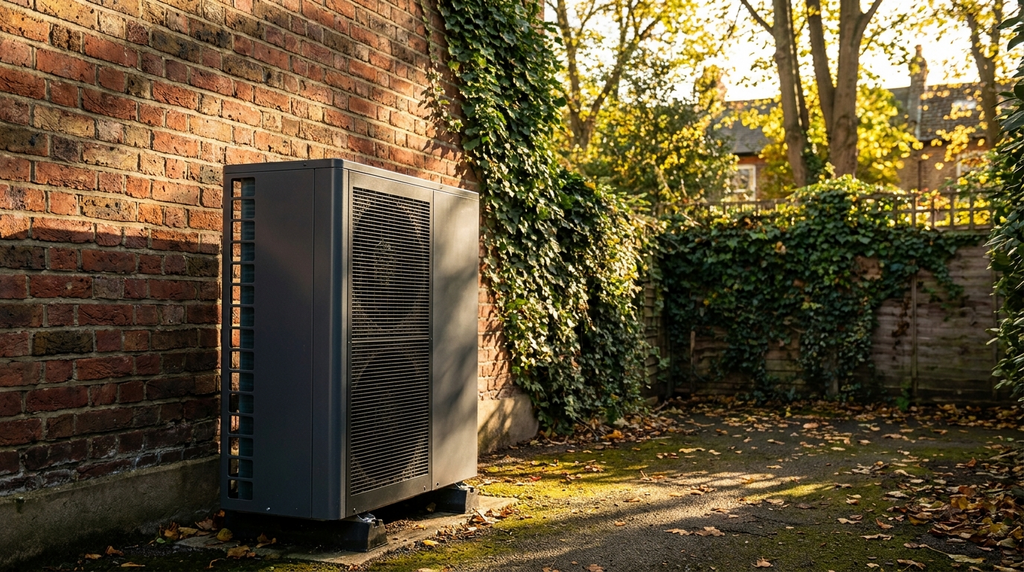
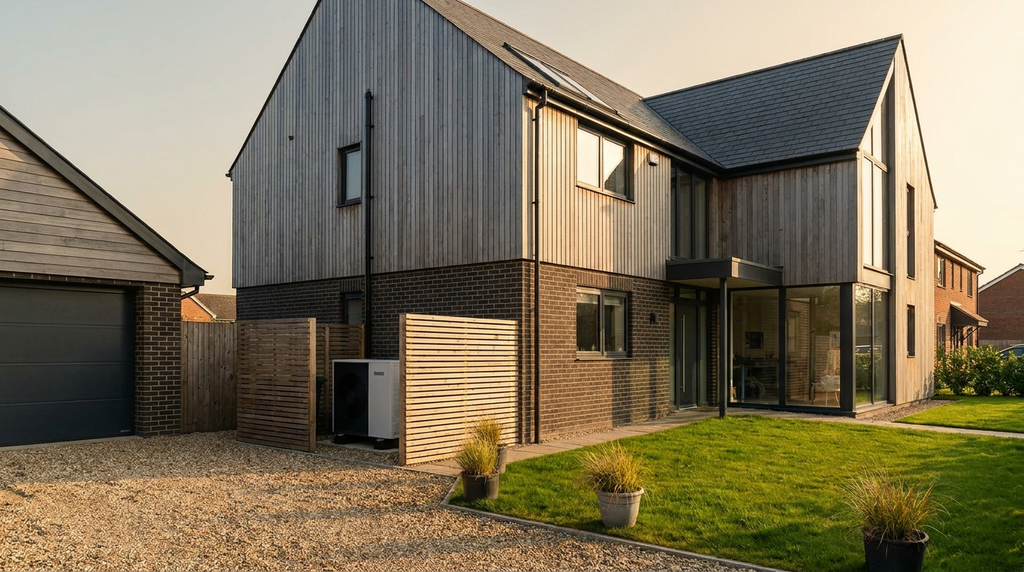
One heat pump per house is the standard rule for UK homes. A single air source heat pump provides both space heating and hot water when sized correctly based on a whole-house heat loss calculation.
- One heat pump per house is the standard rule for UK homes.
- Sizing is based on a whole-house heat loss calculation, not radiator count.
- Typical heat pump output ranges from 5 kW to 16 kW for most homes.
- Oversizing reduces efficiency and increases running costs by 10-20%.
- MCS 020 Standard sets the heat loss methodology for installers.
- The single most important thing to know one heat pump per house is the standard rule
- How heat pump sizing works, it's about heat loss, not the number of radiators
- Quick numbers typical heat pump sizes for UK homes by property type
- When a second heat pump might be considered, and when it almost never is
- The direct answer a house needs exactly one heat pump (unless it's exceptionally large or has separate buildings)
- Eligibility and installer certification how to confirm your home qualifies for a single heat pump
- How to verify your installer is qualified to determine the correct number of heat pumps
- What happens if you install the wrong number of heat pumps, costs and consequences
A single air source heat pump (ASHP) is sufficient to provide both space heating and hot water for a standard house. This rule applies because modern heat pumps are sized to match the whole-home heat loss, not the peak output of a gas boiler, which means one carefully selected unit can handle the full heating load. Only in very rare, large, or complex properties, such as mansions with separate annexes or commercial-style buildings, might a second unit be considered, according to findings from the Energy Systems Catapult Electrification of Heat Demonstration Project (DESNZ, 2026).
How heat pump sizing works, it’s about heat loss, not the number of radiators
A heat pump is sized based on the property’s heat loss calculation, measured in kilowatts (kW). This is a Room-by-Room or whole-house survey that works out how much heat escapes through walls, windows, floors and the roof. The required output, for example 8 kW or 12 kW, determines the single unit needed, not the number of radiators or floor area alone.
Oversizing, which means installing a unit too large for the heat loss, reduces efficiency and increases running costs because the heat pump will cycle on and off more often than it should. Undersizing leaves the home cold on the coldest days. The Microgeneration Certification Scheme (MCS) 020 Standard sets out the methodology installers must follow for this heat loss calculation (MCS, 2026).
Quick numbers typical heat pump sizes for UK homes by property type
The table below shows typical heat loss figures and recommended heat pump outputs for common property types. These are based on averages from the Energy Saving Trust heat pump sizing guide and DESNZ trial data (Energy Saving Trust, 2026).
| Property type | Typical heat loss (kW) | Recommended heat pump output (kW) | Number of heat pumps needed |
|---|---|---|---|
| 1-bed flat | 3–5 kW | 4–6 kW | 1 |
| 3-bed semi-detached | 6–9 kW | 7–10 kW | 1 |
| 4-bed detached | 9–14 kW | 10–16 kW | 1 |
| Large 5+ bed detached | 14–20 kW | 16–22 kW | 1 (rarely 2) |
When a second heat pump might be considered, and when it almost never is
A second heat pump is only justified for properties with separate heating zones that cannot be served by one unit. This includes a detached annexe with its own heating system or a very large home over 400 square metres. For standard UK homes under 300 square metres, a single unit with a buffer tank or zoning controls is the standard solution.
Installing two heat pumps in an average home is almost always unnecessary and adds cost without benefit. The Energy Saving Trust guidance confirms that a single properly sized heat pump can handle the full heating and hot water load for the vast majority of houses (Energy Saving Trust, 2026).
The direct answer a house needs exactly one heat pump (unless it’s exceptionally large or has separate buildings)
This is the plain-English answer to the query “how many heat pumps does a house need”. For 99% of UK homes, one air source heat pump sized to the property’s heat loss is sufficient. The only exception is properties with a separate dwelling, for example a granny annexe with its own heating system, or those over 400 square metres that may require a second unit.
MCS installer standards and DESNZ heat pump policy FAQs all point to the same conclusion: one heat pump per house is the standard rule (DESNZ, 2026). heat pump sizing explained in more detail
Eligibility and installer certification how to confirm your home qualifies for a single heat pump
Before any installation, an MCS-certified installer must carry out a heat loss calculation to confirm the required size and that one unit will suffice. This calculation follows the MCS 020 standard and produces a written report you should see before agreeing to any work.
Installers must be MCS certified (or equivalent under the new Ofgem Clean Heat Grant scheme) and registered with TrustMark for consumer protection. The Boiler Upgrade Scheme (BUS) grant of £7,500 is available for a single heat pump installation per property, and it does not cover a second unit for standard homes (Ofgem, 2026).
How to verify your installer is qualified to determine the correct number of heat pumps
Use the MCS Installer Database at mcscertified.com to find certified installers who can perform the heat loss calculation. Check the installer holds valid MCS certification for heat pumps and is registered with TrustMark for consumer protection.
Ask for a written heat loss calculation report to the MCS 020 standard before agreeing to any installation. A qualified installer will provide this without hesitation. The GOV.UK page on finding an MCS-certified installer also lists registered professionals (GOV.UK, 2026). how to check MCS certification
What happens if you install the wrong number of heat pumps, costs and consequences
Installing two heat pumps when one is sufficient can double installation costs, typically £10,000 to £15,000 per unit, and increase ongoing servicing fees. An oversized single heat pump or an unnecessary second unit will cycle on and off inefficiently, reducing its lifespan and increasing electricity bills.
The BUS grant only covers one heat pump per property. Claiming for a second unit would require full private funding, and the Energy Saving Trust notes that running costs for an oversized system are higher than for a correctly sized single unit (Energy Saving Trust, 2026).
Frequently Asked Questions
One heat pump is standard for a UK home. Only very large properties or those with separate annexes may need a second unit, according to the Energy Systems Catapult Electrification of Heat Demonstration Project (DESNZ, 2026).
Yes, one air source heat pump can provide both space heating and hot water for a standard house. It is sized to match the whole-home heat loss, not the peak output of a gas boiler, as per MCS 020 Standard (MCS, 2026).
A 3-bed semi-detached house typically needs a heat pump with an output of 6 kW to 9 kW, based on average heat loss figures from the Energy Saving Trust (2026). A proper heat loss calculation is essential for accuracy.
Oversizing a heat pump reduces efficiency and increases running costs because the unit cycles on and off more often. The MCS 020 Standard requires installers to avoid oversizing by following a room-by-room heat loss calculation (MCS, 2026).
No, one heat pump serves all floors in a standard house. The system distributes heat through radiators or underfloor heating, sized to match the whole property's heat loss, as confirmed by DESNZ trial data (2026).