The room that used to feel like a shed
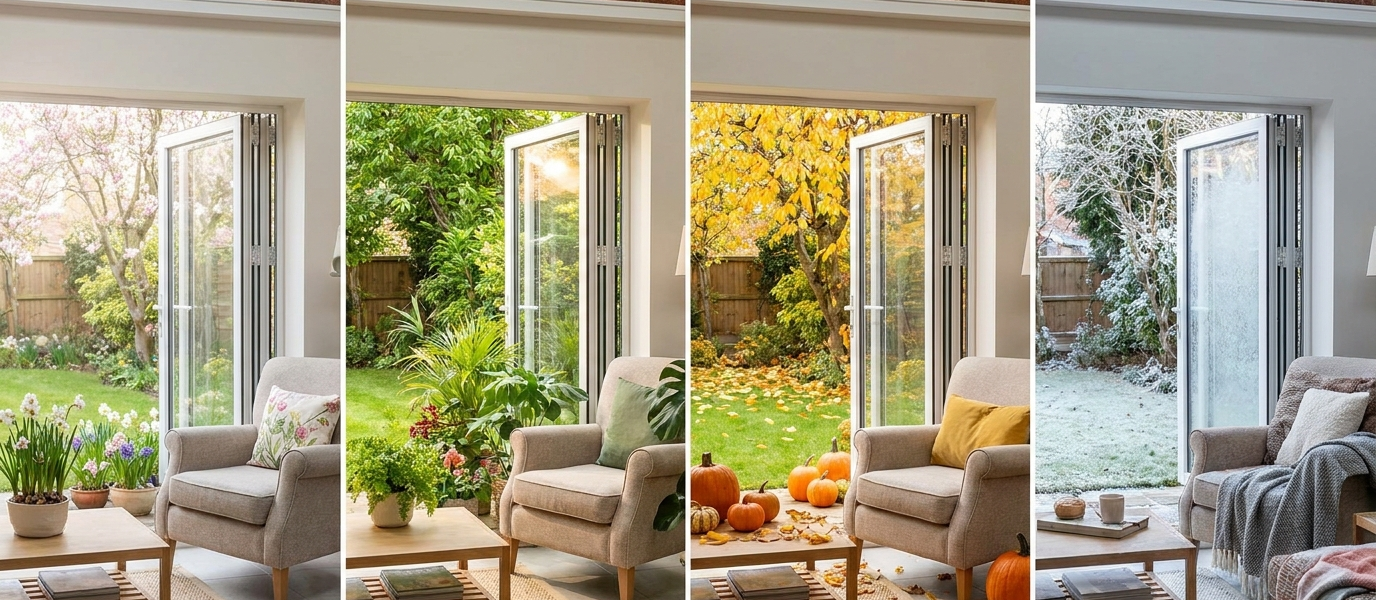
Remember that outbuilding at the bottom of the garden? The one with the spiderwebs in the corners and a single, grudging window that let in exactly enough light to see the cobwebs clearly. You stored the lawnmower there, maybe some old paint tins. It was a room you walked past, not into. Then you glazed it. Suddenly, that same footprint holds a sofa, a morning coffee, a view of the robin on the birch tree. The room doesn’t fight the weather anymore, it uses it. Spring rain on the glass sounds like applause. Autumn leaves drift past the pane like slow confetti. You gain a space that changes its mood with the season, not in spite of it.
Let the windows do the heavy lifting
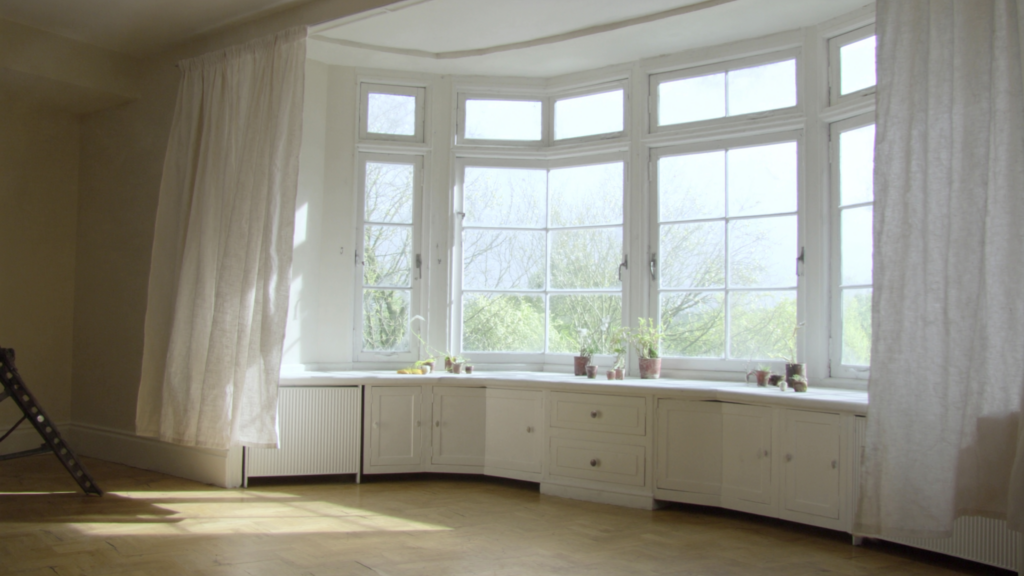
The best garden rooms don’t compete with the garden. They frame it. Large, well-placed windows, whether that’s a single expanse of glass or a run of tall sashes, turn the room into a living observatory. In March, you watch the first daffodils push through from the warmth of your armchair. In November, you catch the last leaves spiralling down without pulling on a coat. The choice of frame matters more here than in any other room. Timber frames (oak or engineered pine) bring warmth and age gracefully, developing a silver patina that softens the view. Aluminium-clad timber gives you the low maintenance of metal on the outside with the natural feel of wood inside. Whatever you choose, avoid anything that fights the glass, chunky white uPVC can feel like a barrier. You want the frame to whisper, not shout.
Pick a colour that softens with the seasons
Here’s something you might not expect: the same paint colour looks completely different in a garden room from hour to hour, month to month. A soft sage green like Farrow & Ball’s “Green Smoke” feels cool and leafy on a July afternoon, but in December’s low light it can read as grey and melancholy. That’s not a flaw, it’s a feature, as long as you plan for it. Choose a base colour that has warmth built in. A dusty terracotta (think “Setting Plaster” pink) holds a cosy glow under winter skies, but softens to a gentle blush when summer light pours through the glazing. Upholstery works the same way. A sofa in a warm oatmeal tweed feels inviting in January, while a pale linen slipcover keeps things airy in July. The trick is to pick one anchor colour that can live in both seasons, then layer your seasonal accents, ochre cushions in autumn, blue throws in spring, around it.
Why texture matters more than colour
In a room that’s half glass, colour does a disappearing act. The garden outside is the real palette. What your room needs is texture, the stuff you reach out and touch. Linen curtains that ripple in the breeze from an open door. A wool throw rough enough to feel like a sheep’s back. Rattan furniture that echoes the weave of a garden basket. Stone floor tiles that cool your bare feet in August and hold underfloor heat in January. The garden itself gives you the cue: bark, moss, gravel, leaf litter. Your room should feel like an extension of those surfaces, not a clean white box dropped into the middle of them. A chunky knit cushion on a linen sofa is the indoor equivalent of a mossy log, rough and soft at once. That tactile contrast is what makes the room feel alive, not just decorated.
Five ways to soften a tall sash window
Tall sash windows are the glory of a garden room, but they can feel overwhelming, a wall of glass that leaves you exposed. Here are five ways to take the edge off without blocking the view:
- Roman blinds that sit flush with the frame. They fold away cleanly, leaving the full window visible, but drop to a soft, tailored finish when you want privacy or shade.
- Plantation shutters. Wide louvres let you dial the light from full sun to dappled shade, and the white or cream slats soften the hard edge of the glass.
- A single, oversized pendant hung low. Drop it to eye level, say, 150cm from the floor, and it draws your gaze down from the glass expanse, anchoring the room.
- A low bench or daybed under the sill. It creates a reading nook that uses the window as a backdrop, turning the glass into a picture frame for the garden.
- A sheer curtain on a curved track. It mimics a soft canopy, billowing gently without blocking the view, and adds a layer of softness to the hard glazing.
Let the garden drift in (and out)
The best garden rooms have a threshold that disappears. Bi-fold or sliding doors that open fully in June, turning the room into a covered terrace. In December, they stay closed, but the view through the glass is still the same garden, just quieter, stiller. Leave a single outdoor chair visible through the glass all year. A wooden Adirondack or a simple metal seat. In summer, it’s an invitation to step out. In winter, it’s a reminder that the garden is still there, waiting. That single object, unchanging, ties the room to the landscape beyond the glass.
Warmth that doesn’t fight the glass
Glass loses heat fast, but that doesn’t mean you need to blast the radiators. Underfloor heating is the invisible backbone of a well-designed garden room, it warms your feet, rises gently, and doesn’t compete with the windows for wall space. For the winter focal point, a wood-burning stove is hard to beat. The glow of the fire reflects in the dark glass, creating a double warmth, real and visual. If you do use radiators, put them under the windows. It sounds counterintuitive, but a radiator under a window catches the cold downdraught from the glass and stops it from pooling at your feet. It’s still the smartest place for them, even in a room that’s half glazed.
The evening shift, lighting for longer nights
When the garden disappears into darkness, the room needs to shift from observatory to sanctuary. Warm LED strips along the window frame echo the garden’s disappearing light, a soft glow that outlines the glass without flooding the room. Then, a single table lamp with a fabric shade. Place it on a side table, low and warm, and it creates a small, cosy island in the dark expanse of glass. The lamp is the anchor. The rest of the room can fall into shadow. The effect is intimate, like being in a warm pool of light while the garden sleeps outside. It’s the simplest trick in the book, and it works every time.