The frame that finishes a window
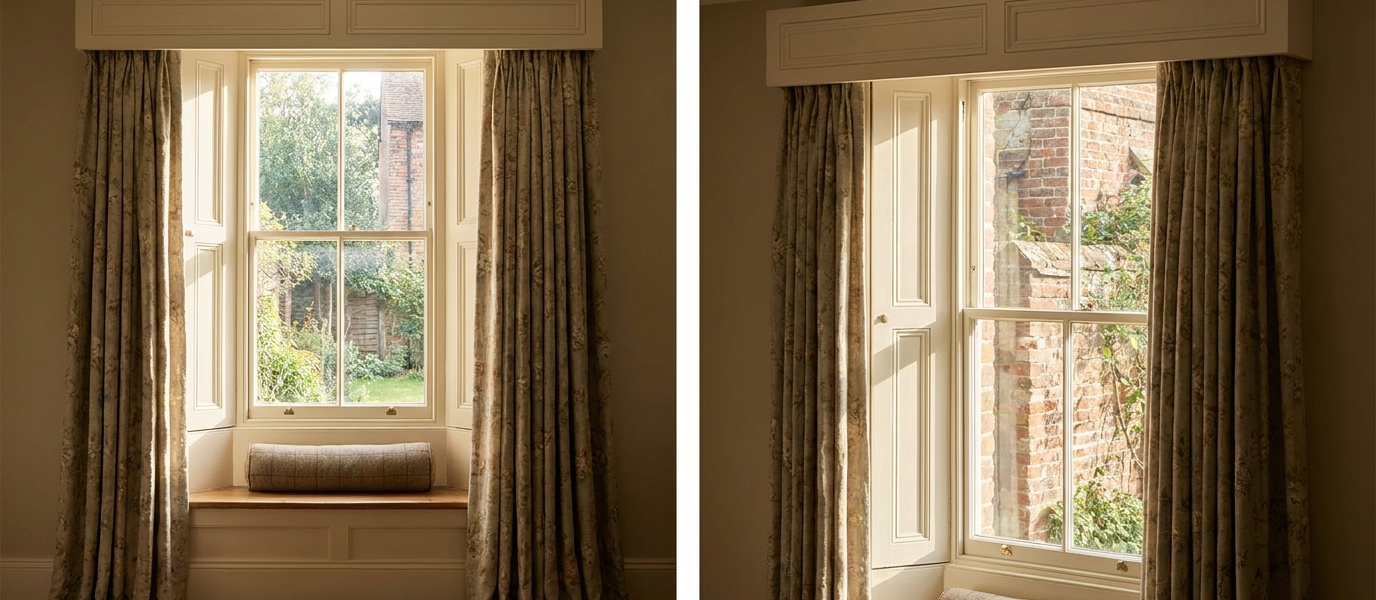
The first proper autumn light arrives sideways, catching the top of a sash window where a soft fold of fabric breaks the glare. Not a roller blind. Not a shutter. Something softer, older, newly deliberate. The return of the window top treatment is not nostalgic, it is tactical. And it is, without fanfare, quietly cool again.
A pelmet or valance is not a curtain’s afterthought. It is the architectural line that completes a room’s vertical composition. The difference between a room that feels dressed and one that feels finished often lives in those six inches above the glass. Think of it as a lintel for fabric: it grounds the window the way a picture rail grounds a wall. Without it, even the most expensive curtains can look like they’re just hanging around, waiting for someone to tell them what to do.
Why the top third of your window matters most
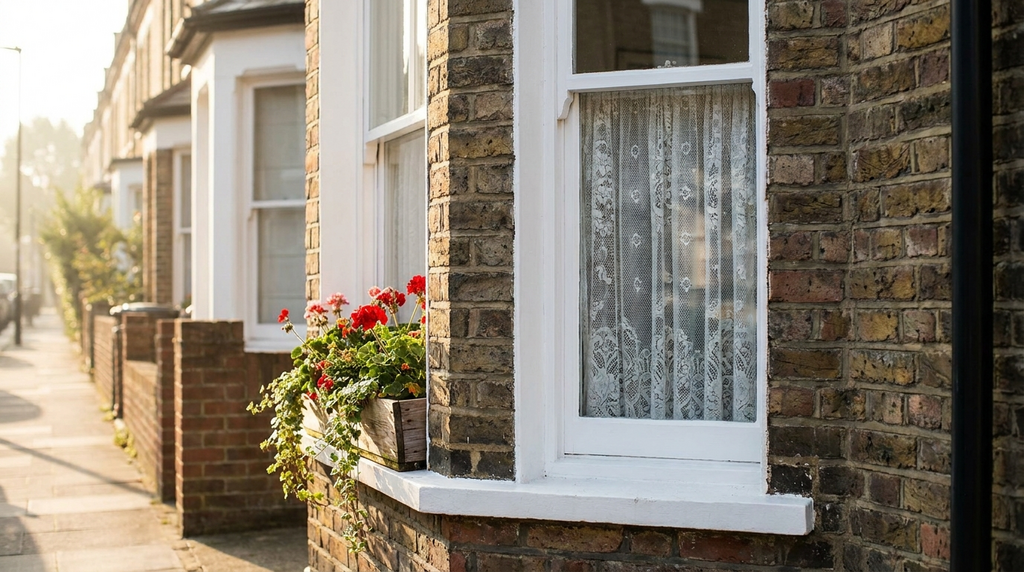
The eye naturally rests at the upper edge of a window. Bare tracks or exposed poles leave the room feeling unresolved, like a sentence without a full stop. A pelmet or valance draws the gaze upward, making ceilings feel taller and windows feel intentional rather than utilitarian. This is not about hiding hardware; it is about giving the window a brow, a presence, an ending. In a Victorian terrace with tall sashes, that small addition can transform a room from “we need new blinds” to “someone thought about this space.”
Four ways a pelmet changes a room’s acoustics and light
This is where the quiet cool factor gets tactical. A padded pelmet absorbs high-frequency sound in a way that bare blinds cannot, useful in open-plan spaces with hard floors where every footstep echoes. By capping the top of the window, it stops light from spilling over the top of a blind or curtain, creating a cleaner blackout for bedrooms or media rooms. It traps drafts at the top of tall sash windows without the need for secondary glazing or bulky seals. And the fabric layer adds a softness to the room’s acoustic signature, less echo, more hush. That’s the kind of detail that makes a room feel like a sanctuary, not a showroom.
Valances for tall sash windows a proportional solution
Tall Victorian and Edwardian sash windows can look disproportionate with a full curtain track that overwhelms the frame. A valance sits neatly within the window, respecting the original proportions. A fitted valance mounted on a slim board respects the original architrave while adding pattern or colour at eye level. It solves the “what do I do with the top six inches” problem without blocking the decorative fanlight or arch detail above, a common frustration for period homeowners. If you’re exploring other ideas for your front elevation, our guide on door colour ideas might inspire a complementary palette.
The fabric choice that makes or breaks the look
Heavy linen or velvet for a pelmet gives a sculptural, almost architectural quality, it holds its shape and casts a shadow that changes through the day. Lighter cotton or linen blends for a valance keep the window feeling airy; stiff interfacing ruins the softness, turning a gentle detail into a rigid shelf. Pattern works best when repeated elsewhere in the room, a valance that echoes a cushion or wallpaper feels intentional, not random. Plain fabric in a contrasting texture, say, slub linen against smooth plaster walls, is the quietest, most grown-up option. Think Farrow & Ball’s Setting Plaster pink in a matte linen against a warm grey wall: subtle, but it lands.
Why texture matters more than colour in this application
A pelmet or valance sits at the top of the room’s visual field, texture reads before colour does. A matte linen pelmet absorbs light and softens the transition from wall to window; a shiny fabric bounces light and draws attention to the treatment itself, which is rarely the goal. The tactile quality of the fabric affects how the room feels to inhabit, brushed cotton feels warmer, crisp linen feels cooler, velvet feels hushed. This is one of those contradictions confident designers know: when you’re working at the top of a room, texture is the real colour.
Eight ways to soften a tall sash window
- A deep box pelmet in the same fabric as the curtains, creates a continuous line from top to floor.
- A gathered valance mounted inside the frame, adds softness without losing the original timber.
- A flat, tailored pelmet with a contrasting trim, defines the window without competing with it.
- A scalloped valance in a neutral linen, brings a gentle, almost Georgian formality.
- A padded pelmet in a dark tone, makes the window recede, useful in a room with too many windows.
- A short, unlined valance over Roman blinds, doubles the softness without adding bulk.
- A pelmet that extends beyond the window width, makes a narrow sash feel wider.
- A valance in a sheer or semi-sheer fabric, filters light at the top while keeping the lower window clear.
For more on balancing light and privacy, our piece on window treatment ideas offers additional approaches.
Let your front door do the heavy lifting, but let your windows finish the sentence
The front door is the first impression; the window treatments are the last detail that tells visitors you care about the whole room. A pelmet or valance signals that the window was considered, not just covered. It is the difference between a room that looks styled and a room that feels lived-in with intention. And if you’re thinking about how the exterior of your home frames that same care, exterior paint schemes might help tie the whole picture together.