The single most important thing to know before starting a Victorian terrace eco renovation
The UK has over 4 million Victorian terraces, many of which are poorly insulated and expensive to heat (ONS, 2026). The Great British Insulation Scheme closed on 31 March 2026. It funded insulation measures only and never covered windows or glazing.
Victorian terrace eco renovation costs £5,000-£25,000, but grants like GBIS and BUS can reduce this by up to £7,500. Eligibility depends on your EPC, council tax band, and income.
- Get a whole-house retrofit assessment before starting any work.
- The Great British Insulation Scheme closed on 31 March 2026. It funded insulation measures only and never covered windows or glazing.
- BUS offers £7,500 off an air source heat pump installation.
- HUG2 provides up to £25,000 for off-gas-grid Victorian homes.
- Check your EPC rating and council tax band for grant eligibility.
- The single most important thing to know before starting a Victorian terrace eco renovation
- Which government grants you can claim for a Victorian terrace in 2026
- Quick numbers – typical costs and savings for a Victorian terrace eco renovation
- Who does NOT qualify for Victorian terrace eco grants in 2026
- How to verify your installer – the only certification that matters for Victorian terrace work
- The direct answer to "can I get a grant for my Victorian terrace eco renovation?"
- How to confirm your eligibility step by step for a Victorian terrace eco grant
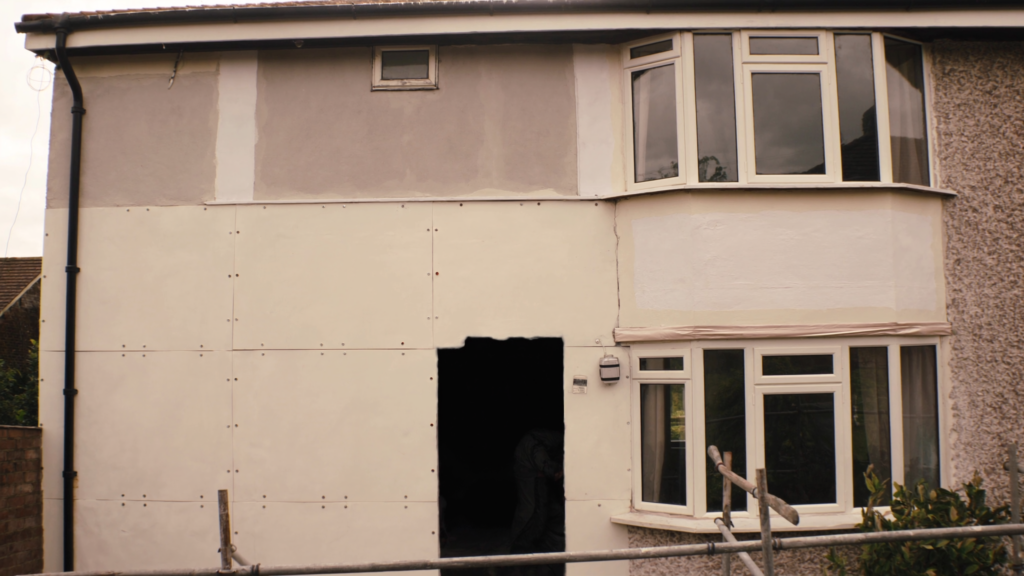
You are not automatically entitled to a grant. Eligibility depends on your Energy Performance Certificate (EPC) rating, your council tax band, and whether you receive a qualifying benefit or have a low household income. Victorian terraces typically have solid brick walls, single-glazed sash windows, and uninsulated suspended timber floors, making them high-priority targets for retrofit but also requiring specialist solutions to avoid damp.
The most effective first step is a whole-house retrofit assessment, which may be subsidised through your local authority’s Home Upgrade Grant (HUG2) if you are on a low income. This assessment identifies which measures are suitable for your specific home.
Which government grants you can claim for a Victorian terrace in 2026
Great British Insulation Scheme (GBIS)
The Great British Insulation Scheme closed on 31 March 2026. It funded insulation measures only and never covered windows or glazing. Cavity wall insulation is rarely suitable for solid-brick Victorian walls. The Great British Insulation Scheme closed on 31 March 2026. It funded insulation measures only and never covered windows or glazing.
Boiler Upgrade Scheme (BUS)
BUS provides £7,500 off an air source heat pump. You must own the property, have a valid EPC with no outstanding recommendations for loft or cavity wall insulation, and the property must not be in the Green Deal scheme (DESNZ BUS guidance, 2026). Landlords are excluded.
Home Upgrade Grant (HUG2)
HUG2 is for off-gas-grid homes, common in rural Victorian terraces. It covers solid wall insulation, draught-proofing, and low-carbon heating. Eligibility requires an EPC below D, gross household income under £31,000, and no mains gas connection (GOV.UK HUG2 page, 2026).
Local Authority Delivery (LAD) schemes
Many councils run local retrofit programmes specifically for solid-wall Victorian homes. Check your local council’s website for 2026 schemes. how to find local eco grants
Quick numbers – typical costs and savings for a Victorian terrace eco renovation
| Upgrade | Typical cost (2026, GBP) | Annual energy saving (GBP) | Typical grant coverage | Source |
|---|---|---|---|---|
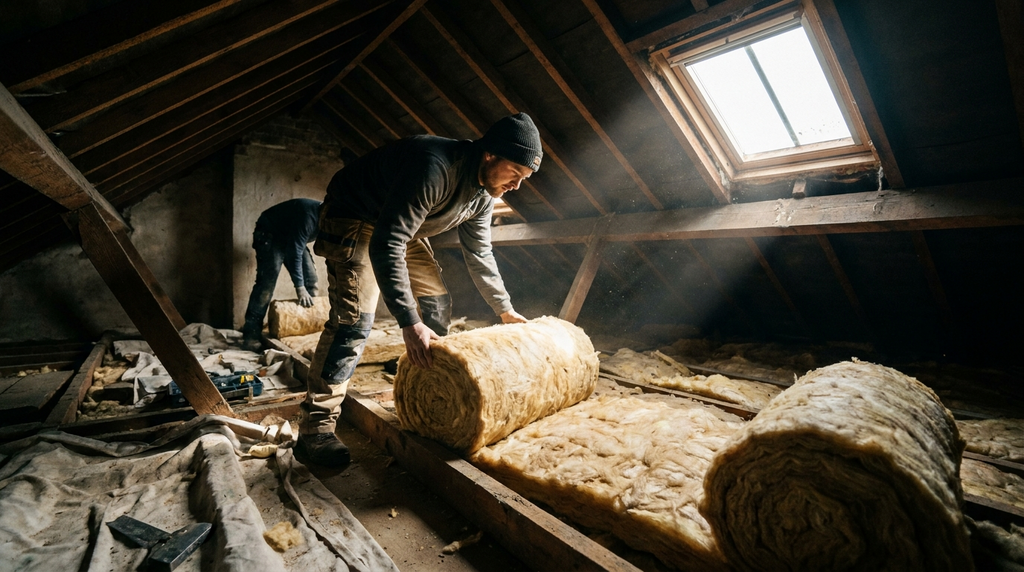
| Loft insulation (270mm) | £400–£700 | £180–£300 | 100% under GBIS for eligible | EST, 2026 |
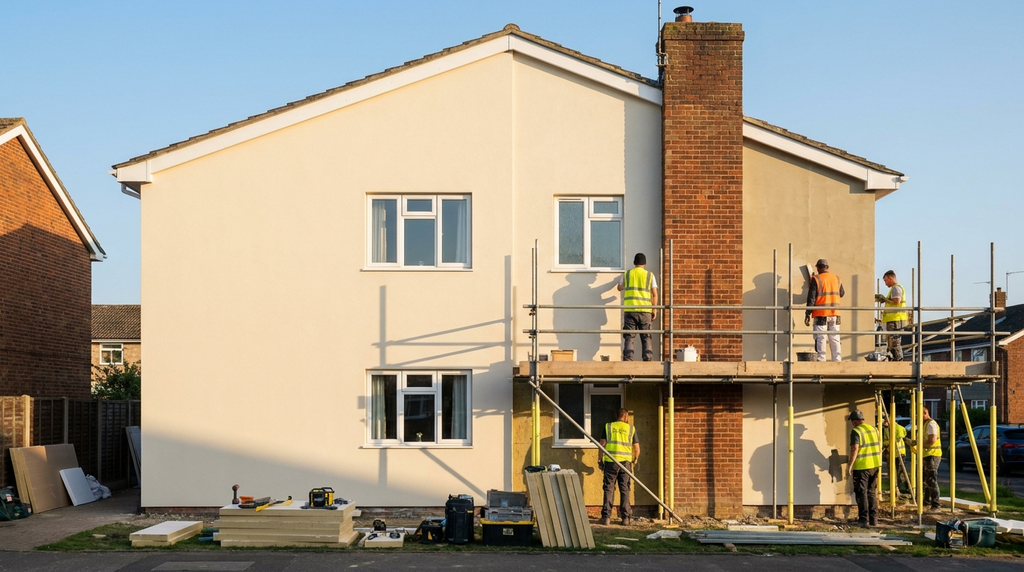
| Solid wall insulation (internal, 50sqm) | £4,000–£8,000 | £250–£450 | 50–100% under HUG2 | EST, 2026 |
| Draught-proofing (windows and doors) | £200–£500 | £60–£120 | Not covered by central grants | EST, 2026 |
| Air source heat pump | £7,000–£13,000 | £200–£400 | £7,500 (BUS grant) | DESNZ BUS 2026 |
| Secondary glazing (sash windows) | £500–£2,000 per window | £100–£250 | Not covered by central grants | EST, 2026 |
Who does NOT qualify for Victorian terrace eco grants in 2026
The Great British Insulation Scheme closed on 31 March 2026. It funded insulation measures only and never covered windows or glazing. Landlords are excluded from the Boiler Upgrade Scheme and many HUG2 programmes, though they may access the Private Rented Sector minimum EPC requirements (C by 2028). Properties on the mains gas grid are ineligible for HUG2, which specifically targets off-gas-grid homes. Anyone who has already received a government grant for the same measure, such as loft insulation under the old ECO scheme, is unlikely to get a second grant for the same upgrade. Homes with unaddressed damp or structural issues may be rejected by installers under grant schemes, as insulation must be installed to a safe, durable standard (GOV.UK GBIS, 2026).
How to verify your installer – the only certification that matters for Victorian terrace work
For solid wall insulation, the installer must be registered with the National Insulation Association (NIA) and hold a current MCS certificate for the specific system they are installing (MCS register, 2026). For heat pumps, the installer must be MCS-certified and registered with TrustMark, a condition of the Boiler Upgrade Scheme (TrustMark, 2026). For gas boiler replacements, the installer must be Gas Safe registered (Gas Safe Register). For double glazing or secondary glazing, the installer should be FENSA or CERTASS registered for building regulations compliance (FENSA, 2026). For electrical work, the electrician must be registered with a competent person scheme like NICEIC or NAPIT (NICEIC, 2026). Always check the installer’s MCS or TrustMark number on the official register before signing a contract. Grant funding is only paid if the installer is correctly certified.
The direct answer to “can I get a grant for my Victorian terrace eco renovation?”
Yes, but only if you meet specific eligibility criteria. The Great British Insulation Scheme closed on 31 March 2026. It funded insulation measures only and never covered windows or glazing. The Great British Insulation Scheme closed on 31 March 2026. It funded insulation measures only and never covered windows or glazing. For heating upgrades, the Boiler Upgrade Scheme offers £7,500 off an air source heat pump, but only if your EPC has no outstanding recommendations for loft or cavity wall insulation, so you may need to insulate first. If your Victorian terrace is off the gas grid, the Home Upgrade Grant is the most generous option, covering solid wall insulation, draught-proofing, and low-carbon heating. The only way to confirm your eligibility is to check your EPC on the GOV.UK EPC register, then use the official eligibility checker on the Simple Energy Advice website (GOV.UK EPC register, 2026). guide to checking EPC ratings
How to confirm your eligibility step by step for a Victorian terrace eco grant
Step 1: Find your EPC rating. Go to the GOV.UK EPC register, enter your postcode, and download the current certificate. Note the overall rating and any recommended improvements (GOV.UK EPC register).
Step 2: Check your council tax band. The Great British Insulation Scheme closed on 31 March 2026. It funded insulation measures only and never covered windows or glazing. Find your band on the GOV.UK council tax band checker (GOV.UK council tax bands).
Step 3: Assess your income. The Great British Insulation Scheme closed on 31 March 2026. It funded insulation measures only and never covered windows or glazing. For HUG2, household income must be below £31,000 (DESNZ eligibility criteria).
Step 4: Use the Simple Energy Advice grant checker. Enter your EPC rating, council tax band, and income details. The tool will list which grants you are eligible for (Simple Energy Advice website).
Step 5: Contact your local authority. Many run their own LAD or HUG2 schemes for Victorian terraces. Search “[your council name] eco home grants 2026” on their website (Local authority websites).
Frequently Asked Questions
Ofgem and DESNZ set the rules.
No, cavity wall insulation is rarely suitable for solid-brick Victorian walls. The Great British Insulation Scheme closed on 31 March 2026. It funded insulation measures only and never covered windows or glazing. Solid wall insulation is an alternative under HUG2.
Costs range from £5,000 for basic insulation to £25,000 for full retrofit including heat pumps and solid wall insulation. Grants can cover most or all of this for eligible households.
Yes, an EPC rating of D or below is required for GBIS and BUS. HUG2 requires EPC below D. Get an EPC assessment first to confirm eligibility.
The first step is a whole-house retrofit assessment, which may be subsidised via HUG2 if you are on a low income. This identifies suitable measures for your solid-wall home.