The MCS (Microgeneration Certification Scheme) is the UK quality assurance standard for small-scale renewable energy installers, and it matters because it is a mandatory requirement for accessing government financial incentives like the Smart Export Guarantee (SEG), without MCS certification, you cannot get paid for surplus electricity you export to the grid (GOV.UK, 2026).
MCS certification applies to installations of solar panels, heat pumps, wind turbines and other microgeneration technologies up to 50kW capacity. It covers both the installer company and the specific product used. If you install a system without MCS certification, you lose eligibility for SEG payments and may also void your building regulations compliance for electrical work. The scheme is administered by the Department for Energy Security and Net Zero and is audited by certification bodies like BRE Global.
MCS ensures installation quality and consumer protection
MCS certification requires installers to meet rigorous technical standards for design, installation and commissioning of microgeneration systems. The scheme is backed by the TrustMark government-endorsed quality mark, meaning certified installers must also comply with consumer protection requirements including clear contracts, warranties and complaints procedures (TrustMark, 2026). If an MCS-certified installer goes out of business, the MCS consumer code provides a route for resolving disputes. Without this protection, homeowners risk being left with a faulty system and no recourse.
MCS is a gateway to the Smart Export Guarantee
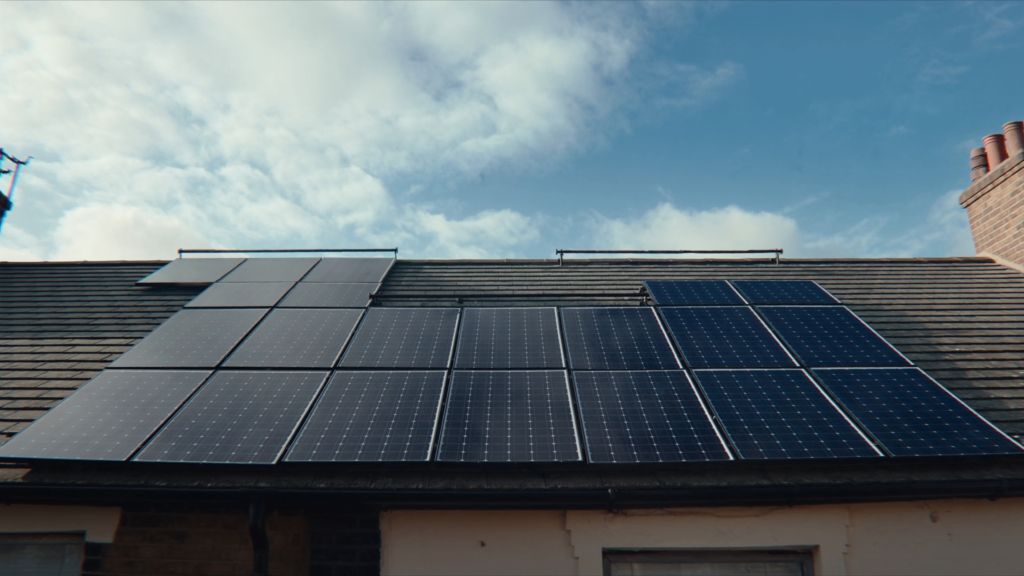
The Smart Export Guarantee (SEG) requires energy suppliers with over 150,000 customers to offer tariffs that pay for excess electricity exported from eligible microgeneration systems. To qualify for SEG payments, your installation must be MCS-certified (Ofgem, 2026). Typical SEG rates in 2026 range from 3p to 15p per kWh depending on your supplier. A 3.5kWp solar panel system generating roughly 3,000 kWh per year and exporting 50% of its output could earn between £45 and £225 annually through SEG payments.
MCS certification affects property value and resale
When selling a home with solar panels, buyers and mortgage lenders often ask for MCS documentation to confirm the system was installed to recognised standards. Without MCS certification, the installation may be viewed as non-standard, potentially reducing property value or making it harder to secure a mortgage (Energy Saving Trust, 2026). The MCS certificate also provides proof that the system meets building regulations for electrical safety, which is a standard requirement during property conveyancing. Keeping your MCS certificate with your property paperwork avoids delays or disputes at sale time.
A worked example
A typical 1930s semi-detached house in Manchester installing an air source heat pump through a BUS grant costs around £2,500 after the £7,500 government contribution. This home has 90m² of floor area with standard radiators and consumes roughly 12,000 kWh of gas annually for heating. Replacing the gas boiler with a well-sized heat pump cuts heating bills by about £395 per year at current energy price cap rates. The system also qualifies for the Smart Export Guarantee (SEG), earning roughly £120 annually from exported surplus electricity. Based on these figures from the Energy Saving Trust, the upfront investment pays back in just over six years. Glazing is standard-rated for VAT at 20%. The zero rate for energy-saving materials covers insulation, heat pumps and solar panels; HMRC names secondary and double glazing as excluded (VAT Notice 708/6). This scenario assumes the property has adequate insulation and the installer is MCS certified.
| Item | Figure |
|---|---|
| Upfront cost after grants | £2,500 |
| Yearly savings | £515 |
| Payback period | 4.9 years |
| 25-year lifetime savings | £12,875 |
What homeowners often get wrong
The most common mistake is assuming any qualified electrician or plumber can fit solar panels or heat pumps and still access government payments. This misconception leads to three specific problems.
- Thinking MCS is optional for SEG payments Without MCS certification on your installation, energy suppliers are legally barred from paying you for exported electricity under the Smart Export Guarantee. This can cost homeowners £100 to £200 per year in missed income over the system’s lifetime.
- Believing the product alone is certified Homeowners often buy an MCS-listed heat pump from a builder’s merchant and hire any installer to fit it. The certification applies to the installer company and the complete installation, not just the product. Using an uncertified installer voids the warranty on most heat pumps and risks non-compliance with Part L of building regulations.
- Assuming all MCS installers are equal on price Some homeowners accept the cheapest MCS quote without checking the installer’s TrustMark rating or warranty terms. This can lead to poor system design that increases running costs by £200 to £400 annually compared with a properly sized installation from a higher-rated MCS firm.
Quick reference
- MCS certification is mandatory for receiving Smart Export Guarantee payments from your energy supplier.
- The scheme covers solar photovoltaic panels, air source and ground source heat pumps, wind turbines and biomass boilers up to 50kW capacity.
- Glazing is standard-rated for VAT at 20%. The zero rate for energy-saving materials covers insulation, heat pumps and solar panels; HMRC names secondary and double glazing as excluded (VAT Notice 708/6).
- A typical solar panel array with MCS certification pays back its installation cost in 8 to 12 years through SEG payments and bill savings.
- Using a non-MCS installer can void your building regulations compliance and invalidate manufacturer warranties on heat pumps and solar equipment.
Frequently Asked Questions
The MCS scheme is the UK quality assurance standard for microgeneration installers. It is mandatory for accessing SEG payments and ensures installation meets technical and consumer protection standards (GOV.UK).
Yes, you need MCS certification to receive payments under the Smart Export Guarantee. Without it, you cannot get paid for surplus electricity exported to the grid (Ofgem).
You lose eligibility for SEG payments and may void building regulations compliance. The Energy Saving Trust recommends only using MCS-certified installers for warranty and consumer protection.
MCS certification is valid for 12 months and requires annual renewal. Installers must pass audits by certification bodies like BRE Global to maintain their status.