Boiler pressure problems are the most common heating fault in UK homes
Low boiler pressure is the single most frequent heating issue reported by UK homeowners. In 2026, the Energy Saving Trust reported that low boiler pressure accounts for roughly 15% of all boiler-related callouts in the UK (Energy Saving Trust, 2026). This guide explains who qualifies for free pressure top-ups under UK boiler warranties or service plans, and when you must pay for a repair yourself.
The direct answer is that most homeowners with a combi boiler can repressurise the system themselves in under five minutes, but if the pressure drops repeatedly, you likely have a leak or faulty component that will cost £60–£300 to fix. Whether your warranty covers this depends entirely on the cause of the pressure loss and the age of your boiler.
What the correct boiler pressure range is for UK homes
Most UK combi boilers require a pressure reading between 1.0 and 1.5 bar when the system is cold (Energy Saving Trust, 2026). Systems with a hot water cylinder, known as open-vented systems, typically need a slightly lower range between 0.5 and 1.0 bar (Ofgem, 2026). Pressure above 2.5 bar is considered high and may trigger a safety cut-off that shuts down the boiler.
Check your boiler pressure gauge when the heating has been off for at least an hour. If the needle is below 1.0 bar on a combi boiler, or below 0.5 bar on an open-vented system, you have low boiler pressure. If it is above 2.5 bar on any system, you have high pressure and should not attempt to use the boiler until a Gas Safe engineer has inspected it.
Who qualifies for free pressure top-ups under a warranty or service plan
Most new boiler warranties from major manufacturers such as Worcester Bosch, Vaillant, and Ideal cover pressure faults only if caused by a manufacturing defect within the first 2 to 5 years (Worcester Bosch warranty terms, 2026). This means that a free pressure top-up or repair is only available if the pressure loss is due to a faulty component like a defective pressure relief valve or a leaking heat exchanger. Simple pressure loss from normal system operation is not covered.
Homeowners with a service plan from a utility provider such as British Gas, E.ON, or Octopus may have pressure top-ups included in their annual service visits (Ofgem, 2026). However, if the pressure drop is due to a leak in the pipework or a faulty expansion vessel, the repair cost falls to the homeowner, not the warranty or service plan. Always check your specific plan documents for the phrase “pressure-related callouts” to confirm what is included.
Quick numbers pressure faults, repair costs, and eligibility
| Item | Cost or figure | Source |
|---|---|---|
| Average cost of a pressure top-up visit (no repair) | £60–£80 | Energy Saving Trust, 2026 |
| Average cost of replacing a faulty expansion vessel | £150–£300 | Energy Saving Trust, 2026 |
| Percentage of pressure faults caused by leaks | 40% | Ofgem, 2026 |
| Typical warranty period covering pressure-related defects | 2–5 years | Manufacturer warranty terms |
| Number of UK homes with a combi boiler (2026) | 12.5 million | ONS, 2026 |
How to confirm your boiler pressure problem is eligible for free repair
Check your boiler’s warranty start date and the specific clause on “pressure loss due to component failure”. Many manufacturer warranties explicitly exclude leaks in the central heating pipework or external components (Vaillant warranty terms, 2026). If your boiler is under 2 years old, the manufacturer is legally required to cover any manufacturing defect under the Consumer Rights Act 2015 (GOV.UK, 2026).
For service-plan holders, confirm whether your plan includes “pressure-related callouts”. Some plans only cover annual servicing, not emergency pressure drops (Ofgem, 2026). If your plan covers callouts, you may still need to pay for parts if the issue is not a manufacturing defect. Always keep your warranty certificate and service plan documents accessible before calling an engineer.
The direct answer what to do first when you have low boiler pressure
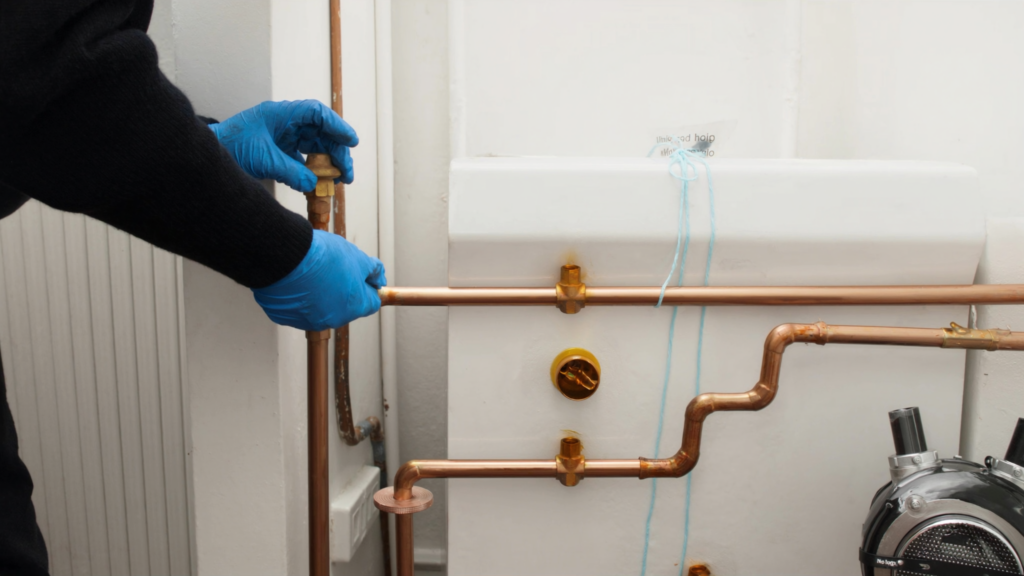
The most common fix is to repressurise the system using the filling loop. This is a DIY task for most combi boilers that takes less than five minutes (Energy Saving Trust, 2026). Locate the filling loop (usually a braided hose with two valves under the boiler), open both valves slowly until the gauge reaches 1.5 bar, then close them tightly. If pressure drops again within 24 hours, you have a leak or a faulty expansion vessel and need a Gas Safe engineer (Gas Safe Register, 2026).
Never attempt to open the boiler casing or adjust internal components. Doing so voids your warranty and risks carbon monoxide leaks (Gas Safe Register, 2026). If you cannot find the filling loop or are unsure how to use it, call a Gas Safe engineer rather than risking damage to the system.
How to repressurise a combi boiler step by step
How to verify your installer or repair engineer is properly certified
For any boiler repair, the engineer must be on the Gas Safe Register (formerly CORGI) to legally work on gas appliances in the UK (Gas Safe Register, 2026). For electrical components such as pumps and thermostats, the engineer should also hold NICEIC or NAPIT registration (GOV.UK, 2026).
Check the engineer’s Gas Safe ID card: the front shows their name and registration number, and the back lists the types of gas work they are qualified for (Gas Safe Register, 2026). If your boiler is still under warranty, only a manufacturer-approved engineer can perform repairs without voiding the warranty. Ask the engineer for their manufacturer accreditation before any work begins.
When the homeowner must pay for pressure repairs themselves
If the pressure drop is caused by a leak in the central heating pipes rather than the boiler itself, the repair is the homeowner’s responsibility (Energy Saving Trust, 2026). If the boiler is over 5 years old and has no service plan, any pressure-related repair is paid for by the homeowner (Ofgem, 2026).
If the expansion vessel has failed due to age and not a manufacturing defect, replacement cost is typically £150–£300 and is not covered by warranty (Energy Saving Trust, 2026). In these cases, the most cost-effective option is often to arrange a repair through a local Gas Safe engineer rather than claiming on a warranty that will not cover the work.
How to find a Gas Safe engineer near you
Frequently Asked Questions
Normal boiler pressure for most UK combi boilers is between 1.0 and 1.5 bar when cold, according to the Energy Saving Trust (2026). Open-vented systems with a hot water cylinder need a slightly lower range of 0.5 to 1.0 bar, per Ofgem (2026).
You can repressurise a combi boiler yourself in under five minutes using the filling loop, typically a lever or valve under the boiler. The Energy Saving Trust confirms this is safe for most homeowners, but if pressure drops repeatedly, call a Gas Safe engineer.
Repeated pressure drops usually indicate a leak in the system, a faulty pressure relief valve, or an issue with the expansion vessel. The Energy Saving Trust notes that fixing these issues typically costs between £60 and £300.
Yes, pressure above 2.5 bar can trigger a safety cut-off and may damage your boiler. Ofgem advises you should not use the boiler until a Gas Safe engineer has inspected it.
Most warranties from manufacturers like Worcester Bosch, Vaillant, and Ideal cover pressure faults only if caused by a manufacturing defect within the first 2 to 5 years, per their 2026 terms. Routine pressure loss from leaks is not covered.