Solar Panels

Everything UK homeowners need to know about solar panels in 2026. Installation costs, savings estimates, battery storage, planning rules, and the Smart Export Guarantee.

293 articles

Featured video

Watch The UK Solar Latitude Rule (Your Installer Won't Tell You)

Latest Solar Panels Articles

Solar Panels

What are solar panels used for in sons of the forest?

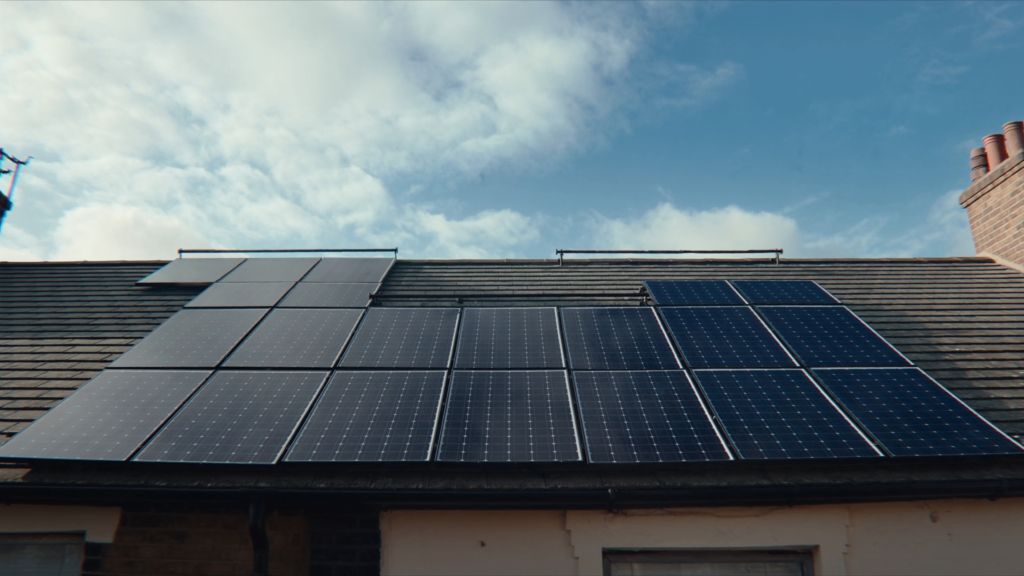
Solar panels in Sons of the Forest are used exclusively to power electrical devices in the game, not to generate electricity for a home. According to the UK government, real-world solar photovoltaic (PV) systems convert sunlight into electricity for household use (GOV.UK, 2026). In the game, they serve a different purpose, tied to survival mechanics. […]
4 min · 10 May 2026
Solar Panels

What are solar panels used for in sfs?

Solar panels in a Solar Feed-in Tariff (SFS) arrangement are used to generate renewable electricity from sunlight, which you can use to power your home and earn payments for surplus energy exported to the grid. The UK government’s Smart Export Guarantee (SEG) replaced the original Feed-in Tariff, and a typical 3.5kWp system generates around 2,950 […]

4 min · 10 May 2026
Solar Panels

What are solar panels measured in?

Solar panels are primarily measured in kilowatts peak (kWp), which indicates the maximum electrical output under standard test conditions. A typical domestic system in the UK is 3.5 kWp to 4.5 kWp (Energy Saving Trust, 2026). This figure lets you compare system size and estimate annual generation. Key Takeaways 1Solar panels are measured in kWp, […]

4 min · 10 May 2026
Solar Panels

What are solar panels called?

Solar panels are most commonly called photovoltaic panels, or PV panels for short, and the term refers to devices that convert sunlight directly into electricity. The Energy Saving Trust confirms that PV panels are the standard technology used in UK home solar installations (Energy Saving Trust, 2026). This is the name you will see on […]

4 min · 10 May 2026
Solar Panels

Should solar panels face south?

No, solar panels do not have to face south, but south-facing panels produce the most electricity in the UK. A south-facing roof at a 35-degree tilt generates around 100% of optimal output, according to the Energy Saving Trust (Energy Saving Trust, 2026). However, east- or west-facing panels still deliver strong returns. Key Takeaways 1South-facing panels […]

4 min · 10 May 2026
Solar Panels

Should solar panels face north?

No, solar panels should not face north in the UK, as north-facing panels generate significantly less electricity than south-facing ones. Energy Saving Trust states that a south-facing roof produces around 100% of optimal output, while north-facing panels yield only 50-60% of that (Energy Saving Trust, 2026). Key Takeaways 1North-facing panels produce only 50-60% of south-facing […]

4 min · 10 May 2026
Solar Panels

Should solar panels face east or west?

Solar panels should generally face south for maximum output, but east or west facing can be a smart choice if your roof is oriented that way. A south-facing 4kWp system generates around 3,400 kWh/year, while east or west facing panels produce roughly 15-20% less, according to the Energy Saving Trust (Energy Saving Trust, 2026). This […]

4 min · 10 May 2026
Solar Panels

Should solar panels be washed?

No, solar panels in the UK do not need routine washing to maintain performance, with rain typically providing sufficient cleaning for most systems, according to the Energy Saving Trust (Energy Saving Trust, 2026). A typical 3.5kWp system loses less than 5% of its annual output from dirt and dust, meaning washing is rarely cost-effective. Key […]

4 min · 10 May 2026
Solar Panels

Should solar panels be serviced?

Yes, solar panels should be serviced, typically every 2–5 years to maintain peak performance, as the Energy Saving Trust states that a standard 3.5kWp system can lose up to 20% efficiency if left unmaintained (Energy Saving Trust, 2026). Servicing isn’t mandatory by law, but it safeguards your investment. Key Takeaways 1Service every 2–5 years to […]

4 min · 10 May 2026
Solar Panels

Should solar panels be in series or parallel?

Solar panels should be connected in series for most grid-tied, inverter-based systems, but parallel wiring is better for systems with shading issues or using microinverters, according to the Energy Saving Trust (Energy Saving Trust, 2026). Key Takeaways 1Wire in series for string inverters to reach 300–600V DC. 2Use parallel for shaded roofs or microinverters to […]

5 min · 10 May 2026
Solar Panels

Should solar panels be grounded?

No, domestic solar panel systems in the UK do not need to be separately grounded via a rod driven into the ground, because they are bonded to the property’s existing earthing system as part of the electrical installation. The MCS (Microgeneration Certification Scheme) requires that all solar PV installations comply with BS 7671 (the IET […]

5 min · 10 May 2026
Solar Panels

Should solar panels be fused?

Yes, solar panels should be fused as part of their electrical installation to comply with UK safety regulations and prevent fire risks. The IET Wiring Regulations (BS 7671) require overcurrent protection for all DC circuits, including solar panel strings, to protect cabling from fault currents (GOV.UK, 2026). Key Takeaways 1Fusing is mandatory for parallel solar […]

4 min · 10 May 2026
Solar Panels

Should solar panels be earthed?

Yes, solar panels must be earthed as part of a legally compliant installation. The UK’s wiring regulations (BS 7671, 18th Edition) require all exposed conductive parts of a solar PV system to be connected to the main earthing terminal (GOV.UK, 2026). This includes the panel frames, mounting rails, and inverter casing. Key Takeaways 1Solar panel […]

5 min · 10 May 2026
Solar Panels

Should solar panels be cleaned?

Yes, solar panels should be cleaned, but only when a significant drop in output is observed. According to the Energy Saving Trust, a typical 3-4% annual efficiency loss from dirt is normal, but heavy soiling can reduce generation by up to 20% (Energy Saving Trust, 2026). Most UK homeowners never need to clean their panels […]

4 min · 10 May 2026
Solar Panels

Should I lease solar panels?

No, you should generally not lease solar panels, as buying them outright offers better long-term value. The Energy Saving Trust states that a typical 3-4kWp solar panel system costs between £5,000 and £8,000 to purchase and install, with annual savings of up to £640 on electricity bills (Energy Saving Trust, 2026). Leasing often locks you […]

5 min · 10 May 2026
Solar Panels

Should I install solar panels on my home?

Yes, for most UK homeowners, installing solar panels is a financially sound decision, with a typical 3.5kWp system costing around £5,000–£6,500 and saving up to £640 annually on electricity bills (Energy Saving Trust, 2026). The key is whether your roof is suitable and you plan to stay long enough to recoup the investment. Key Takeaways […]

4 min · 10 May 2026
Solar Panels

Should I install solar panels?

Yes, most UK homeowners should install solar panels, as a typical 3.5kWp system can save £500-£700 annually on electricity bills and earn around £150 per year through the Smart Export Guarantee (SEG) tariff (Energy Saving Trust, 2026). Key Takeaways 1A 3.5kWp solar system saves £500-£700 yearly on bills. 2Payback period is 8-12 years without battery […]

4 min · 10 May 2026
Solar Panels

Should I get solar panels on my roof?

Yes, for most UK homeowners solar panels are a worthwhile investment, with a typical 3.5kWp system saving between £400 and £700 annually on electricity bills (Energy Saving Trust, 2026). The decision hinges on your roof’s orientation, shading, and your energy usage patterns. Key Takeaways 1A 3.5kWp system saves £400-£700 annually on electricity bills. 2Payback period […]

4 min · 10 May 2026
Solar Panels

Should I get solar panels for my house?

Yes, for most UK homeowners solar panels are a worthwhile investment, with a typical 4kWp system costing around £7,000 and saving you up to £640 annually on electricity bills (Energy Saving Trust, 2026). Payback periods range from 10 to 15 years, and with the Smart Export Guarantee (SEG) you can earn money for surplus power […]

4 min · 10 May 2026
Solar Panels

Should I cover solar panels when not in use?

No, you should not cover solar panels when they are not in use. Covering them reduces energy generation, can void warranties, and creates trapped heat that damages components. The Energy Saving Trust confirms that solar panels require no covering for protection and operate safely in all weather conditions (Energy Saving Trust, 2026). Key Takeaways 1Covering […]

4 min · 10 May 2026
Solar Panels

Should I clean solar panels?

No, you should not routinely clean solar panels, as rainwater does most of the work and the cost of cleaning typically outweighs the energy gain, the Energy Saving Trust states that dust and dirt rarely reduce output by more than 5% annually (Energy Saving Trust, 2026). Most UK homeowners never need to clean their panels. […]

4 min · 10 May 2026
Solar Panels

Should I buy solar panels?

Yes, for most UK homeowners with a suitable roof, buying solar panels is financially sensible, typically yielding a payback period of 10–15 years and saving around £270–£450 annually on electricity bills, according to the Energy Saving Trust (Energy Saving Trust, 2026). Key Takeaways 1Payback period is 10–15 years for a typical 3.5kWp system. 2Annual savings […]

4 min · 10 May 2026
Solar Panels

Are solar panels tax deductible?

No, solar panels are not tax deductible for the typical homeowner in 2026, as they are considered a capital improvement rather than a repair or maintenance expense under UK tax law (HMRC Capital Gains Manual, 2026). This means you cannot claim a deduction against your income tax for the upfront cost of installation. However, specific […]

5 min · 10 May 2026
Solar Panels

Are solar panels renewable or nonrenewable?

Solar panels are a renewable energy technology because they convert sunlight, an inexhaustible natural resource, directly into electricity without consuming fuel. The UK government classifies solar photovoltaics as a renewable source under its energy statistics, noting that renewable generation accounted for 51.8% of UK electricity in 2025 (GOV.UK, 2026). Key Takeaways 1Solar panels are renewable […]

4 min · 10 May 2026

Solar Panels Glossary

kWp
Kilowatt peak. The maximum power output of a solar panel or system under standard test conditions. A typical UK home system is 3-4 kWp.
SEG
Smart Export Guarantee. The UK scheme requiring energy suppliers to pay for surplus solar electricity exported to the grid. Current rates are around 7p per kWh.
MCS
Microgeneration Certification Scheme. An industry standard that certifies solar installers and equipment. Required to receive SEG payments.
Inverter
A device that converts the direct current (DC) produced by solar panels into alternating current (AC) used by household appliances.
Feed-in Tariff
The predecessor to the SEG scheme, closed to new applicants since 2019. Existing FiT recipients continue to receive their agreed rates.
Self-consumption
The percentage of solar electricity you use directly rather than exporting. Higher self-consumption means greater savings.

Solar Panels FAQ

You may also like

Solar Panels

Solar panel costs UK (2026)

What solar panels actually cost in the UK in 2026 A typical 4kWp solar panel system for a UK home costs between £5,000 and £8,000 fully installed in 2026. That is a wide range for what is, on most roofs, near-identical equipment, and the spread is the part worth understanding before you sign anything. The […]

5 min · 8 Mar 2026
Solar Panels

Best solar panel brands UK (2026)

Top Solar Panel Manufacturers for UK Installations The UK solar market is dominated by panels from five major manufacturers who account for over 70% of residential installations. Panel efficiency has improved from 15% to over 22% in the past decade, meaning fewer panels are needed to achieve the same output. Solar Panel Brand Comparison Brand […]

2 min · 8 Mar 2026
Solar Panels

How Many Solar Panels Does a 3-Bed House Need?

Solar photovoltaic panels are now installed on more than one million UK homes, and the most common property type taking them up is the three-bedroom semi-detached, the archetypal family home that sits at the heart of Britain’s housing stock. If you’re weighing up whether to go solar, the very first practical question is usually the […]

19 min · 12 Mar 2026
Solar Panels

Smart Export Guarantee claim guide

Solar panels are now installed on more than one million UK homes, and the number continues to rise as installation costs fall and energy bills remain high. Yet a surprising proportion of solar panel owners are still not registered for the Smart Export Guarantee, leaving money on the table every time their panels generate more […]

19 min · 12 Mar 2026
Solar Panels

Solar battery storage worth it (2026)

Understanding Solar Panel Battery Storage Solar panel systems have become a familiar sight on UK rooftops, but the conversation has shifted significantly in recent years. It is no longer just about whether to install panels, it is about whether to pair them with a battery, and whether doing so actually makes financial sense for your […]

20 min · 12 Mar 2026
Solar Panels

Solar Panel Planning Permission Rules You Need to Know

Most homeowners across the UK are surprised to discover that fitting solar panels to their roof does not automatically require a trip to the planning department. For decades, planning rules around home improvements created unnecessary hurdles, but reforms to permitted development rights have made the path to solar energy significantly more straightforward for the majority […]

18 min · 12 Mar 2026