If you own or live in a flat and are looking at your energy bills, insulation is one of the first fixes to consider. But costs vary wildly depending on whether your flat is a top-floor conversion, a ground-floor purpose-built block, or something in between. This article breaks down the real 2026 costs, savings, payback periods, and the grants that could cut your bill to zero.
The most important number for flat insulation in 2026 is the annual heating bill saving, which averages £190–£390 depending on your flat’s type and location. Solid-wall flats (common in pre-1920s conversion blocks) save £390/year with internal or external wall insulation, while cavity-wall flats (post-1920s purpose-built blocks) save £190/year with cavity-wall insulation (Energy Saving Trust, 2026). These figures are based on a typical gas-heated mid-floor flat; electric-heated flats see higher cash savings due to higher unit costs.
Insulation costs for a UK flat in 2026 range from £450 for loft insulation to £12,000 for external wall insulation
The installed cost of insulation depends on which part of the flat you are insulating and the method used. Here are the 2026 ranges from Energy Saving Trust cost guides:
- Loft insulation (top-floor flat): £450–£650 installed, using 270mm mineral wool or PIR boards (Energy Saving Trust, 2026).
- Cavity-wall insulation (cavity-wall flat): £750–£1,500, typically injected foam or beads (Energy Saving Trust, 2026).
- Internal wall insulation (solid-wall flat): £4,000–£8,000, using 50–100mm PIR or insulated plasterboard (Energy Saving Trust, 2026).
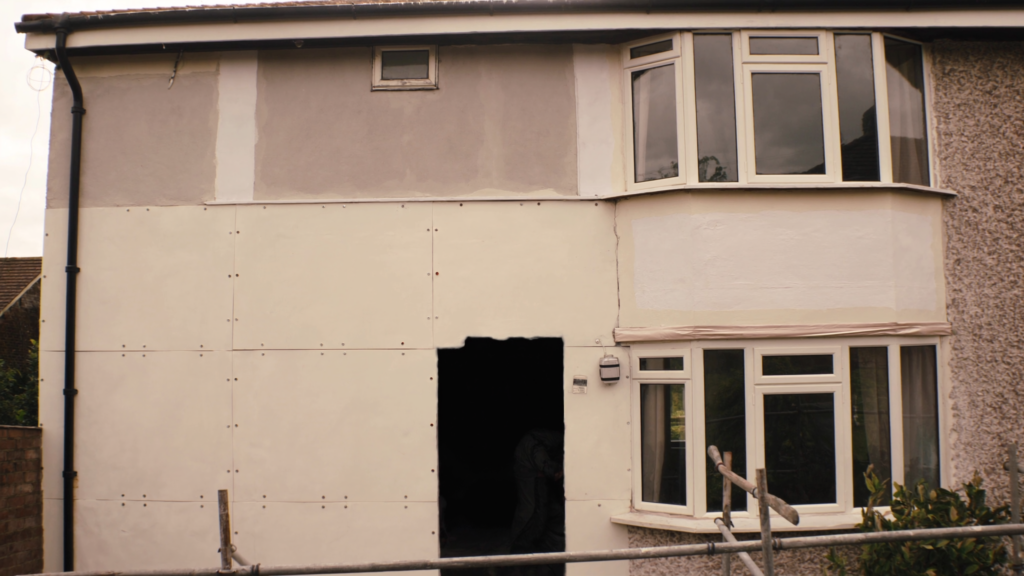
- External wall insulation (solid-wall flat): £8,000–£12,000, including a render finish (Energy Saving Trust, 2026).
- Floor insulation (ground-floor flat): £1,200–£2,200, with PIR or rigid foam boards (Energy Saving Trust, 2026).
Quick numbers, compare flat insulation costs
| Insulation type | Typical cost (installed) | Annual saving (gas-heated flat) | Payback period |
|---|---|---|---|
| Loft insulation (top-floor) | £450–£650 | £180–£250 | 2–3 years |
| Cavity-wall insulation | £750–£1,500 | £190 | 4–8 years |
| Internal wall insulation | £4,000–£8,000 | £390 | 10–20 years |
| External wall insulation | £8,000–£12,000 | £390 | 20–30 years |
| Floor insulation (ground-floor) | £1,200–£2,200 | £70–£120 | 10–18 years |
All savings come from the Energy Saving Trust “Insulation and draught-proofing” table, adjusted for 2026 gas prices under the Ofgem price cap (Ofgem, Q1 2026). Payback is cost divided by annual saving; ranges reflect cost and saving extremes. The table does not include grant funding, which can reduce costs by up to 100% for eligible households.
For a typical flat, cavity-wall insulation is the cheapest option with the fastest payback, but only if your flat has unfilled cavities
Cavity-wall insulation costs £750–£1,500 and pays back in 4–8 years (Energy Saving Trust, 2026). Around 70% of UK flats with cavity walls built between 1920 and 2000 have unfilled cavities, according to the English Housing Survey (DESNZ, 2025–26). Flats built after 2000 typically have cavity-wall insulation installed as standard. Check your eligibility: a cavity width of at least 50mm and no damp issues are required (CIGA, 2026). How to check if your flat has cavity walls
The direct answer to “insulation cost flat uk” is that a typical mid-floor flat with cavity walls costs £750–£1,500 for cavity-wall insulation, saving £190/year
This is the most common scenario for UK flats: a post-1920s purpose-built block with cavity walls. For a top-floor flat, add loft insulation at £450–£650, saving £180–£250/year. For a ground-floor flat, add floor insulation at £1,200–£2,200, saving £70–£120/year. For a solid-wall flat (pre-1920s), internal or external wall insulation costs £4,000–£12,000, saving £390/year. All figures from Energy Saving Trust guides updated for 2026 (Energy Saving Trust, 2026).
You must use an MCS-certified installer for any insulation work that qualifies for government grants or finance
MCS (Microgeneration Certification Scheme) covers insulation installers for grant-funded work (MCS, 2026). For non-grant work, use a TrustMark-registered installer for consumer protection (TrustMark, 2026). Cavity-wall insulation must be installed by a CIGA (Cavity Insulation Guarantee Agency) registered installer to get a 25-year guarantee (CIGA, 2026). Check installer credentials on the MCS or TrustMark register before hiring; ask for written quotes from at least three installers. For flats in blocks of three or more storeys, check if building regulations require fire-safe insulation materials (GOV.UK, 2026). How to find a reliable insulation installer
Grants and finance options can reduce your insulation cost by up to 100% if your flat meets eligibility criteria
The Great British Insulation Scheme closed on 31 March 2026. It funded insulation measures only and never covered windows or glazing. The Energy Company Obligation (ECO4) provides full funding for insulation for households on certain benefits or with a low income (OFGEM, 2026). For flats in England, the Home Upgrade Grant (HUG2) covers off-gas-grid homes with an EPC rating of D or below (GOV.UK, 2026). Apply through your energy supplier or a local authority scheme; grants are limited and allocated on a first-come, first-served basis. Check your eligibility online at gov.uk/improve-home-energy-efficiency or call the Simple Energy Advice helpline (0800 444 202) for a free assessment (DESNZ, 2026).
The payback period for flat insulation depends on your flat's type
For a gas-heated flat, payback ranges from 2 years (loft insulation) to 30 years (external wall insulation). For an electric-heated flat, savings are higher, cavity-wall insulation saving £190/year for gas becomes £600–£800 for electric heating, reducing payback to 2–4 years (Energy Saving Trust, 2026). Location matters: flats in colder regions such as Scotland and northern England see 10–20% higher savings than the UK average (Energy Saving Trust, 2026). Payback assumes current energy prices under the Ofgem price cap for Q1 2026; if prices rise, payback shortens; if they fall, it lengthens.
Frequently Asked Questions
Costs range from £450 for loft insulation to £12,000 for external wall insulation, according to the Energy Saving Trust 2026 cost guides. Cavity-wall insulation is £750-£1,500, and floor insulation is £1,200-£2,200.
Loft insulation offers the fastest payback (1.2 years) for top-floor flats. For solid-wall flats, internal wall insulation at £4,000-£8,000 is more affordable than external, though external saves more energy. The Energy Saving Trust recommends cavity-wall insulation for post-1920s flats.
Yes, the ECO4 scheme may cover full insulation costs for eligible low-income households in flats. The Great British Insulation Scheme closed on 31 March 2026. It funded insulation measures only and never covered windows or glazing. Check eligibility on GOV.UK or via your energy supplier.
Payback varies: loft insulation pays back in 1.2-1.7 years, cavity-wall in 3.9-7.9 years, floor insulation in 9.2-16.9 years, and external wall insulation in 20.5-31 years, based on Energy Saving Trust figures for gas-heated flats.
Yes, wall and loft insulation can reduce condensation by keeping internal surfaces warmer, lowering humidity levels. Proper ventilation is still needed to avoid trapped moisture, advises the Energy Saving Trust.