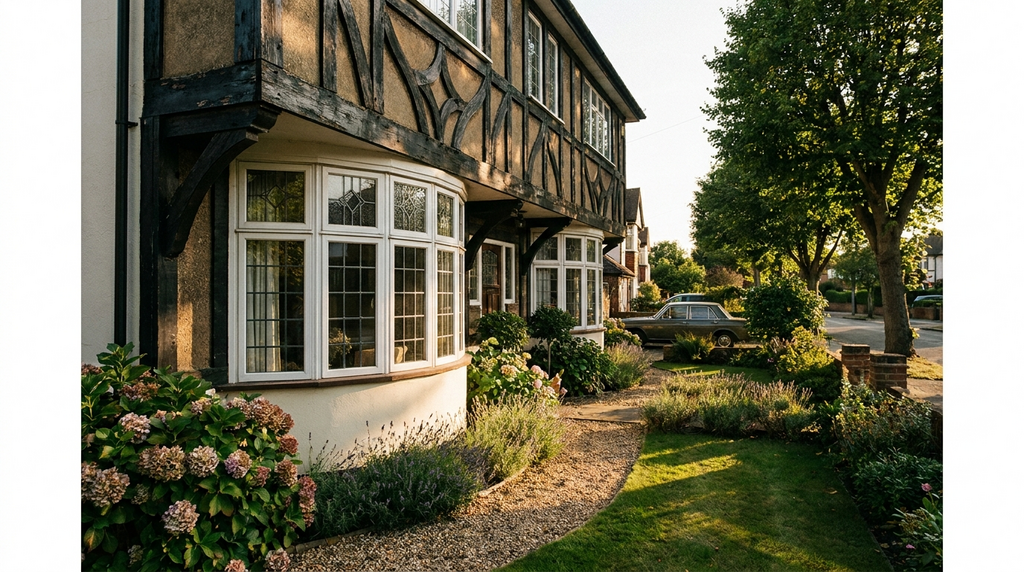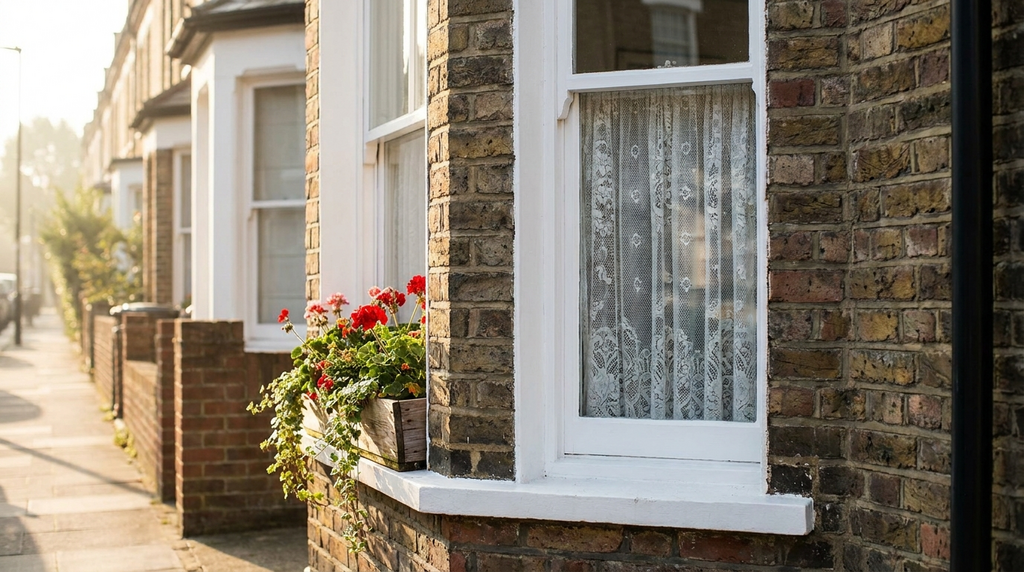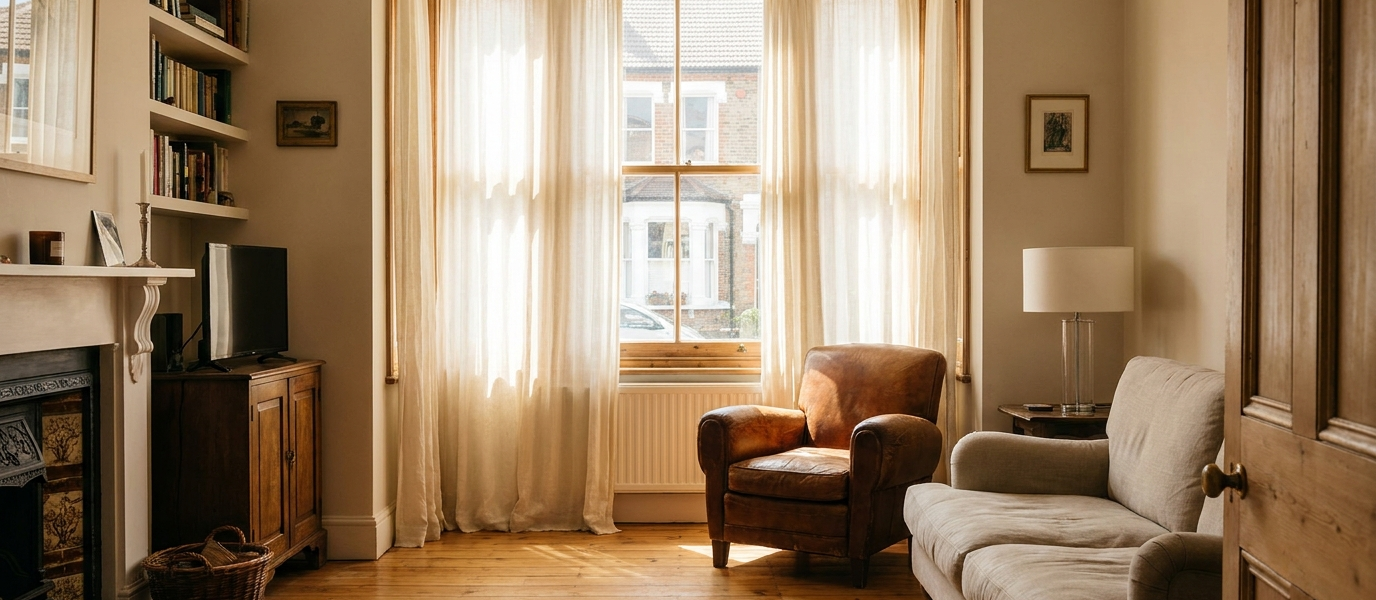
Before When sunlight becomes a problem
You know the room. The one that should feel like a sanctuary, a place to curl up with a book, to eat a slow Sunday breakfast, instead feels like a greenhouse by midday. By 11am, the rug has started to fade in a pale stripe from the sill to the centre of the floor. The artwork you chose so carefully now looks washed-out, the colours leached away by an hour of direct beam. And you? You’re squinting against the glare, reaching for the blinds before lunch is even on the table.
There’s a real disconnect here. You love natural light. You chose the house partly because of these big, bright south facing windows. But loving light and resenting its intensity are two different things. The room that should feel generous and open instead feels hostile, and the solution, closing curtains, pulling down blinds, retreating to the darker side of the room, feels like a defeat.
After The shift from fighting light to working with it
Then something shifts. Maybe you move a chair out of the direct beam and realise you can actually read without a headache. Maybe you catch the light one afternoon falling across a limewashed wall and notice how it glows rather than glares. The bright south facing windows aren’t the enemy, they’re the raw material.
The same light that once felt oppressive now softens across a wall, warms a floorboard, animates a room. It becomes a living thing, moving through the day in a slow arc you can learn to read. And there’s a quiet satisfaction in a space that breathes with the sun rather than against it. You stop closing the blinds at 2pm and start living in the room you actually have.
Let the window dictate the room’s rhythm
The best layouts for south facing windows follow the light, not the furniture catalogue. That means placing seating in the shadows, not the glare. A reading nook at the edge of the window, where the light pools on the floor but doesn’t hit your eyes directly. A sofa turned 90 degrees so it faces into the room, catching the light on its back rather than its cushions.
It sounds simple, but a shift in orientation transforms a room from dazzling to inviting. Try it: turn your sofa so the long side runs parallel to the window rather than facing it. Suddenly the glare is behind you, the room opens up, and you can actually sit and talk without squinting. The window becomes a backdrop, not a spotlight.
Eight ways to soften a tall sash window
Tall sash windows are beautiful, but they can feel relentless in their exposure. Here are eight ways to take the edge off without losing the light:
- Layered curtains, linen sheers that filter without blocking, roman blinds that drop to the sill, a soft drape held back by a tie. Each layer gives you a different degree of control through the day.
- Internal shutters, tilt the slats to redirect light upward or scatter it across the ceiling. The room stays bright, but the glare disappears.
- Frosted film, applied only to the lower panes for privacy without sacrificing the view. You keep the sky, the treetops, the light, but the street outside disappears.
- A shallow shelf at sill height, to catch the light and hold trailing plants that cast dappled shadows across the wall below.
- Mirrors placed opposite, to bounce light deeper into the room, not back into your eyes. A mirror on the far wall turns a harsh beam into a soft wash.
- A pale, matte wall colour, that absorbs glare rather than amplifying it. Think Farrow & Ball’s Drop Cloth or a soft limewash that scatters light like a cloud.
- Flooring in natural tones, wide oak boards or seagrass matting that warm in the sun without looking bleached. Avoid pale laminate that reflects like a mirror.
- A single statement piece, a carved wooden screen, a freestanding bookcase, positioned to break the light’s path and create a pocket of shadow in the middle of the room.
For more ideas on how to make your windows work with your decor, see our guide on door colour ideas.
Pick a colour that softens with the seasons
A south-facing room demands a paint colour that lives in changing light, not a static swatch. The same shade that looks warm and honeyed in January’s low sun can feel sharp and glaring in July’s high blast. That’s why warm greiges and dusty pinks work so well here, they glow in winter and recede in summer, adapting to the light rather than fighting it.
The trick is to test a colour on three walls at different times of day. Paint a square near the window, one in the middle of the room, and one in the darkest corner. Then live with them for a weekend. Trust the morning test over the afternoon, the low, angled light of early day is the light you’ll see most often. A colour like Little Greene’s French Grey or a deep Setting Plaster pink from Farrow & Ball will look completely different at 9am and 3pm. That’s the point.
Why texture matters more than colour
Here’s something that surprises most homeowners: in a bright room, texture matters more than colour. A flat, glossy wall bounces light into a harsh glare, while a limewash or rough plaster absorbs and scatters it. The same principle applies to fabrics. A smooth linen cushion reflects light; a chunky wool throw absorbs it. One adds to the glare, the other softens it.
Layer tactile surfaces, seagrass matting underfoot, unglazed ceramic on a shelf, raw wood on a side table, that catch the light without shouting. The texture becomes the visual interest, not the colour. In a room with south facing windows, a matte wall and a rough rug will feel calmer than any shade of blue you could choose.
The window as a living thing
Choose plants that thrive in direct sun, jasmine, olive trees, succulents, and the window becomes a changing scene, not a static view. A trailing philodendron softening the hard edge of a window frame. A tall fiddle-leaf fig catching the afternoon light and casting long shadows across the floor.
There’s a quiet pleasure in watching a leaf unfurl in a shaft of afternoon light. The window stops being something you manage and starts being something you live with. It becomes a living thing, growing and changing with the seasons, and the room feels more alive for it.
Why this matters
You stop closing the blinds at 2pm and start living in the room you actually have, bright, warm, and alive with light that moves through the day like a quiet companion. The faded rug becomes a record of time passing. The glare becomes a glow. And the south facing windows, once a problem to solve, become the best thing about the house.
For more on how to choose the right finishes for your home’s light, see our guide on door colour ideas.