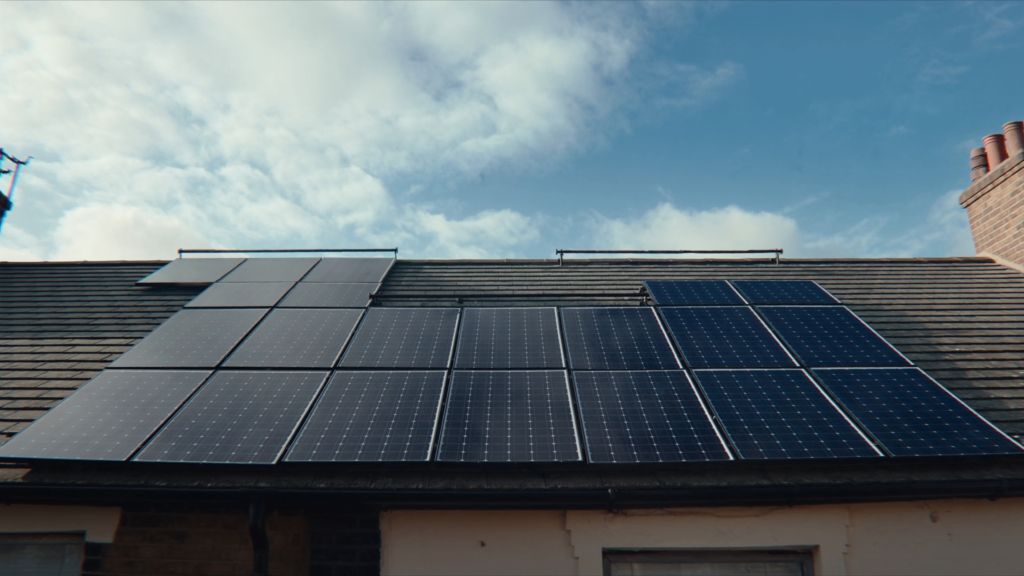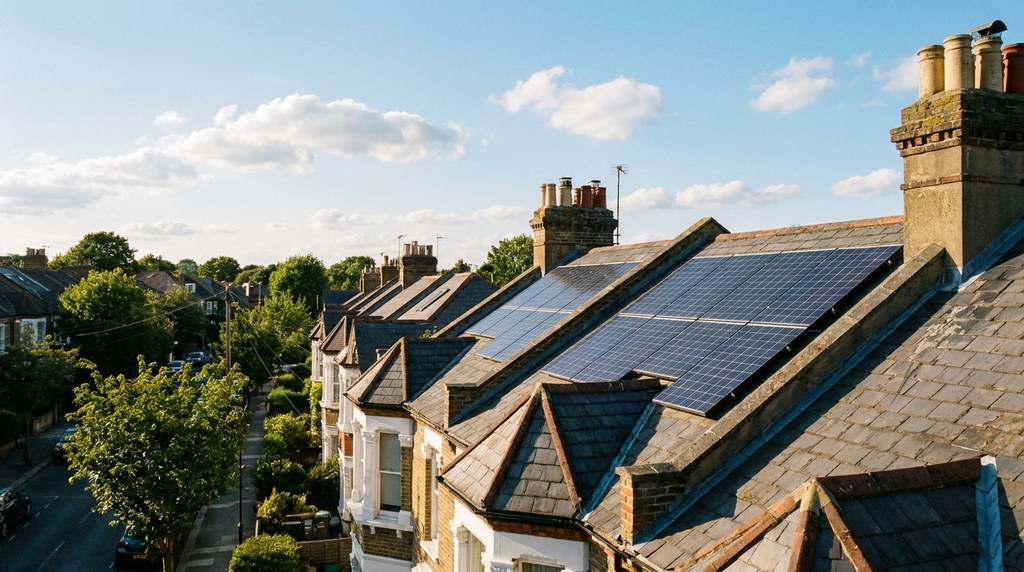
The most-searched answer is that modern solar panels typically convert only 18% to 22% of sunlight into electricity, which is a physical limit of silicon cells, not a design flaw (UK Government Solar PV Roadmap, 2026). This efficiency ceiling exists because silicon can only absorb specific light wavelengths, and some energy is lost as heat.
The term “inefficient” often misleads homeowners. A 20% efficient panel generating 400W in direct sun is still highly cost-effective for a typical UK home. The key variable is not efficiency percentage but total energy yield per installed watt, which depends on roof orientation, shading, and local irradiance. Panels under 15% efficiency are now rarely sold for residential use in the UK.
Physical limits of silicon cells
Single-junction silicon cells have a theoretical maximum efficiency of about 33%, known as the Shockley-Queisser limit. In practice, commercial panels reach 18-22% due to unavoidable losses from reflection, heat dissipation, and electrical resistance within the cell (BRE, 2026). No amount of engineering can push silicon past this hard ceiling without moving to multi-junction cells, which are far too expensive for homes. The efficiency you see on a datasheet is measured under standard test conditions (1000W/m², 25°C), which rarely match real UK weather.
Real-world performance in UK conditions
UK solar panels operate at lower efficiency in high temperatures (above 25°C) and under diffuse light on cloudy days. However, modern panels are built to perform well in low-light conditions, and the UK’s moderate climate means they seldom reach the peak temperatures that cause significant efficiency drops (Energy Saving Trust, 2026). A typical 4kWp system in southern England generates around 3,400 kWh per year, which is roughly 80% of what a same-size system in Spain would produce, not 20% as the efficiency number might suggest.
Why efficiency matters less than cost per kWh
For homeowners, the metric that matters is the levelised cost of electricity (LCOE), not the efficiency percentage. UK solar panels now cost around £5,000 to £7,000 for a 4kWp system, and the payback period is typically 8-12 years (Ofgem Smart Export Guarantee, 2026). Even at 20% efficiency, solar is cheaper per kWh than grid electricity over the system’s 25-year lifespan. Higher efficiency panels (e.g., 24%) cost more per watt, so they are only worthwhile if roof space is very limited.
A worked example
A typical 3-bedroom 1930s semi-detached home in Manchester with a south-facing roof could install a 4 kWp solar PV system (10 panels at 400W each) for roughly £6,500 after the 0% VAT saving that runs until March 2027. The Energy Saving Trust estimates this setup generates around 3,400 kWh per year in the North West, cutting an annual electricity bill by about £510 at current Ofgem price cap rates. With the Smart Export Guarantee paying roughly 15p per kWh for exported power, you earn around £150 extra each year. The total yearly benefit of £660 means the system pays for itself in about 10 years, well within the 25-year panel lifespan. Over that lifetime, total savings and export income reach roughly £16,500, far outweighing the upfront cost.
| Item | Figure |
|---|---|
| Upfront cost after grants | £6,500 |
| Yearly savings | £660 |
| Payback period | 10 years |
| 25-year lifetime savings | £16,500 |
What homeowners often get wrong
The most common mistake is fixating on the efficiency percentage and ignoring the total energy yield per watt for your specific roof. This misunderstanding leads to poor purchasing decisions that cost you money.
- Chasing the highest efficiency panel Many homeowners think a 22% efficient panel is always better than a 19% model. The reality is that for a typical UK roof, a 19% panel with better low-light performance or a lower temperature coefficient can actually generate more total electricity over a year, especially in cloudy conditions. Paying a premium for 22% panels often adds £1,000 to the upfront cost with no real benefit.
- Believing inefficiency means poor value A 20% efficient panel sounds low compared to a lightbulb or a gas boiler, but it still converts sunlight into free electricity for 25 years. The misconception leads some homeowners to reject solar entirely, missing out on £16,500 in lifetime savings for a typical semi-detached home. The real waste is not installing panels at all.
- Ignoring the impact of shading and orientation Some assume any roof will do, but a north-facing roof with heavy shading from a chimney can cut generation by 40% or more. A south-facing roof with minimal shading is worth far more than a high-efficiency panel on a poor roof. A quick check using a free online tool from the Energy Saving Trust can prevent a costly mistake that voids your payback period.
Quick reference
- Modern residential solar panels in the UK convert 18% to 22% of sunlight into electricity due to the physical limits of silicon cells.
- The Shockley-Queisser limit caps single-junction silicon cells at a maximum theoretical efficiency of 33%.
- You do not need planning permission for most solar panel installations on a detached or semi-detached home in England under permitted development rights.
- Installing a 4 kWp system on a typical UK home saves around £660 per year on energy bills and export payments.
- Focus on total kilowatt-hours generated per year for your roof, not the efficiency percentage on the datasheet.
Frequently Asked Questions
Silicon cells can only absorb specific light wavelengths, losing some energy as heat. The theoretical maximum for single-junction silicon is 33%, per the Shockley-Queisser limit.
Yes, a 20% efficient panel generating 400W in direct sun is highly cost-effective for UK homes. The Energy Saving Trust confirms total energy yield matters more than efficiency percentage.
Real-world efficiency is lower than datasheet figures due to UK weather, but panels still perform well under diffuse light. Ofgem notes that roof orientation and shading impact output more than efficiency.