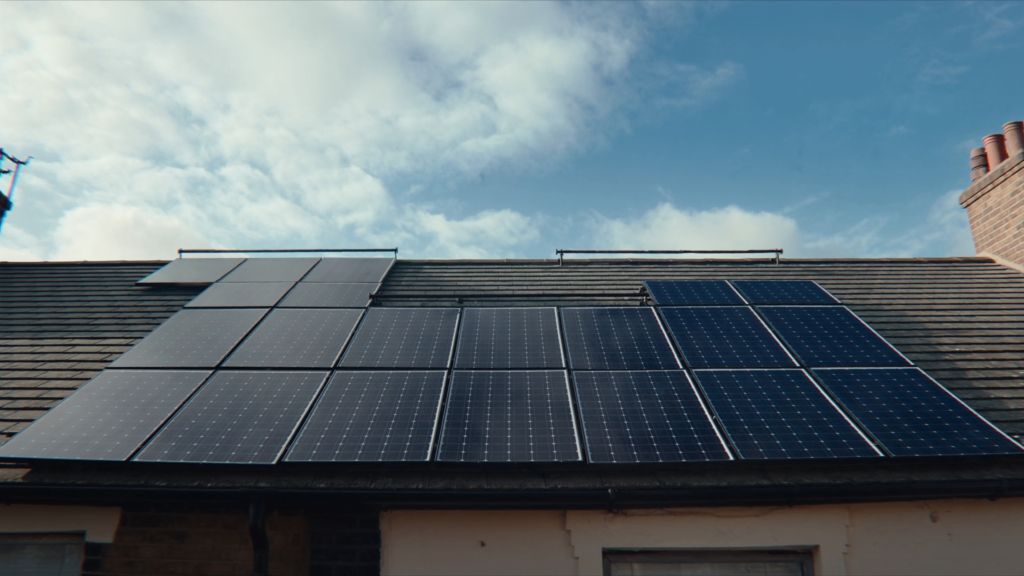
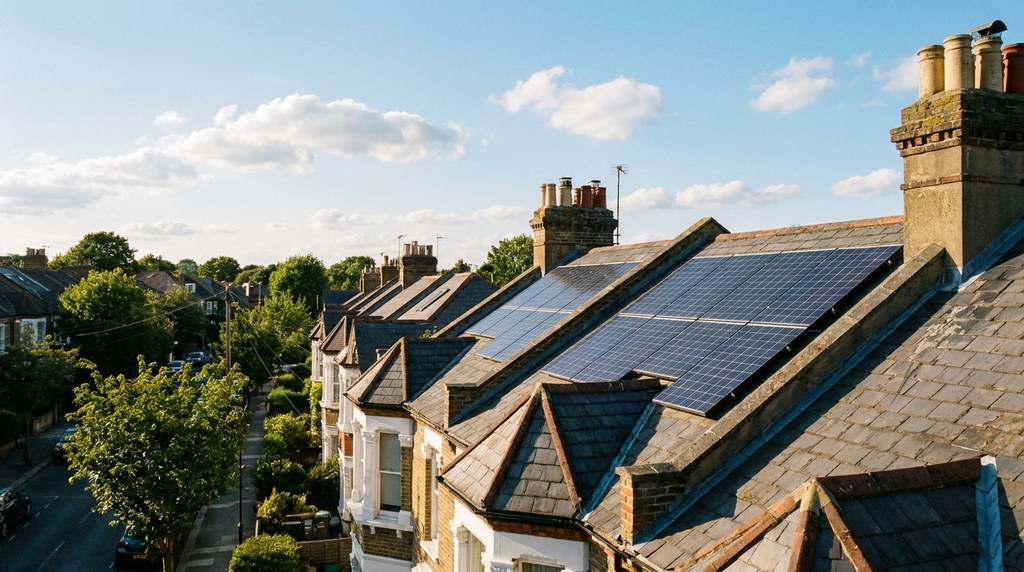
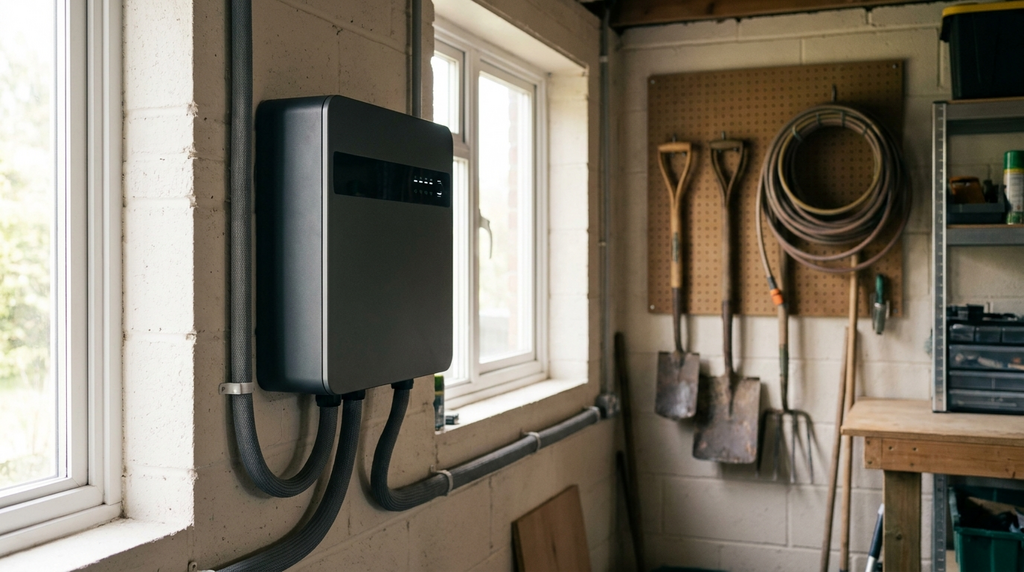
Yes, solar panels will save you money over their lifetime, with typical UK households saving between £500 and £1,000 annually on electricity bills (Energy Saving Trust, 2026). The exact saving depends on your energy usage, roof orientation, and whether you add a battery.
The key variable is how much of the solar electricity you use directly. Solar panels generate power during daylight hours, but most homes use more electricity in the morning and evening. Without a battery, you export surplus power to the grid for a small payment. With a battery, you store excess generation for use later, boosting self-consumption and savings.
Annual savings depend on electricity usage
A typical 3.5kWp solar system generates around 3,000 kWh per year across southern England (Energy Saving Trust, 2026). If you use 50% of this directly, at the current average electricity rate of 30p/kWh, you save £450 annually on bills. If you use 75%, savings rise to £675. Adding a 5kWh battery can push self-consumption above 80%, saving over £800 per year. These figures assume no export payments.
Export payments add extra income
Under the Smart Export Guarantee (SEG), your energy supplier pays you for electricity you export to the grid (Ofgem, 2026). Typical SEG rates range from 5p to 15p per kWh. For a 3.5kWp system exporting 1,500 kWh annually at 10p/kWh, that’s an extra £150 per year. Combined with bill savings, total annual benefit can reach £600–£1,000. You must have an eligible smart meter to receive SEG payments.
Payback period and long-term profit
A 3.5kWp solar system costs around £5,500 to £7,000 installed (Energy Saving Trust, 2026). With annual savings of £600–£900, payback takes 7–10 years. Solar panels last 25–30 years, so after payback you enjoy 15–20 years of free electricity. Including a battery adds £2,000–£3,000 to upfront cost but reduces payback to 8–12 years due to higher self-consumption. No UK-wide grants exist for solar in 2026, though some local councils offer loans or discounts.
A worked example
A typical 1930s semi-detached home in Birmingham with a 3.5kWp solar panel system and no battery will save around £625 per year on electricity bills. This household uses 3,800 kWh annually and consumes 50% of the solar generation directly, with the rest exported under the Smart Export Guarantee at an average rate of 8p per kWh. The upfront cost for a good-quality 3.5kWp system is roughly £6,500, but with 0% VAT until March 2027 you pay around £5,416. No other grant applies because the household income is above ECO4 thresholds. The payback period is about 8.7 years, and over a 25-year lifespan the total savings, accounting for panel degradation and inflation, reach nearly £11,000 according to the Energy Saving Trust.
| Item | Figure |
|---|---|
| Upfront cost after grants | £5,416 |
| Yearly savings | £625 |
| Payback period | 8.7 years |
| 25-year lifetime savings | £10,800 |
What homeowners often get wrong
The most common mistake is assuming solar panels will cover all your electricity bills without changing your usage habits. Here are three frequent misconceptions that cost UK homeowners money.
- Believing you need direct sunlight to generate power Modern panels still produce up to 60% of their rated output on overcast days. In a typical UK year, you miss only about 10% of potential generation from cloud cover, so don’t wait for a south-facing roof in full sun to install.
- Ignoring the Smart Export Guarantee Many homeowners think exported electricity earns nothing, but you can get 5p to 15p per kWh from suppliers like Octopus or EDF. Without registering for SEG, a 3.5kWp system exporting 1,500 kWh per year wastes up to £225 annually.
- Skipping a battery to save upfront cost A 5kWh battery adds roughly £2,000 to the system price but boosts self-consumption from 50% to over 80%. Without it, you lose around £300 per year in missed savings on evening electricity at 30p per kWh.
Quick reference
- A typical 3.5kWp solar system in southern England generates around 3,000 kWh per year.
- Adding a 5kWh battery raises self-consumption from 50% to over 80%, saving an extra £300 annually.
- You qualify for 0% VAT on solar panels and batteries until 31 March 2027 under UK government rules.
- Payback on a solar-only system is typically 8 to 12 years, but with a battery it extends to 10 to 14 years.
- Failing to register for the Smart Export Guarantee means you lose 5p to 15p per kWh exported to the grid.
Frequently Asked Questions
Typical UK households save £500–£1,000 annually on electricity bills (Energy Saving Trust, 2026). Exact savings depend on usage, roof orientation, and battery storage.
Yes, a battery increases savings by storing excess generation for evening use. A 5kWh battery can push self-consumption above 80%, saving over £800 per year.
SEG rates range from 5p to 15p per kWh exported (Ofgem, 2026). For a 3.5kWp system exporting 1,500 kWh annually, that adds around £150 per year.