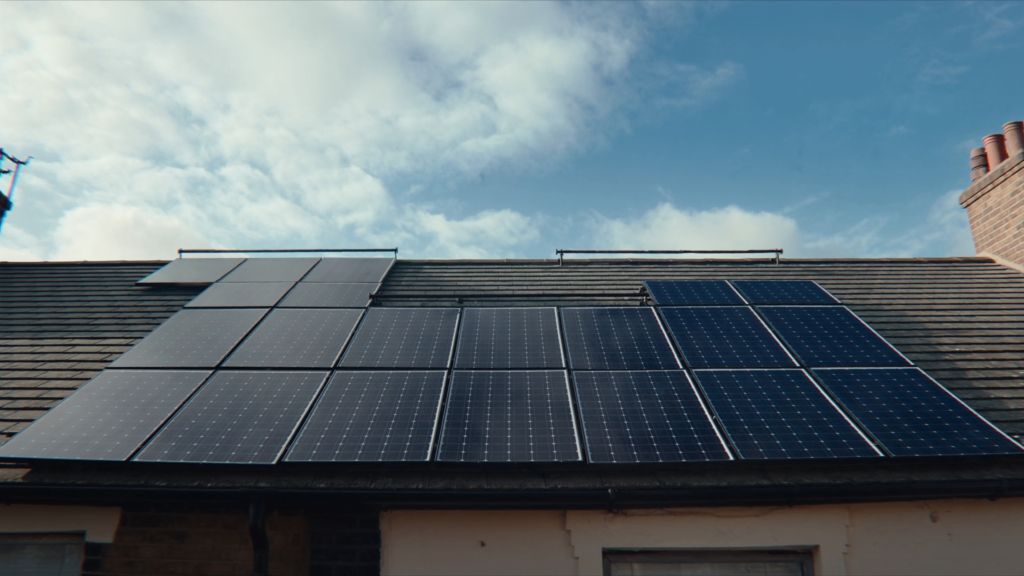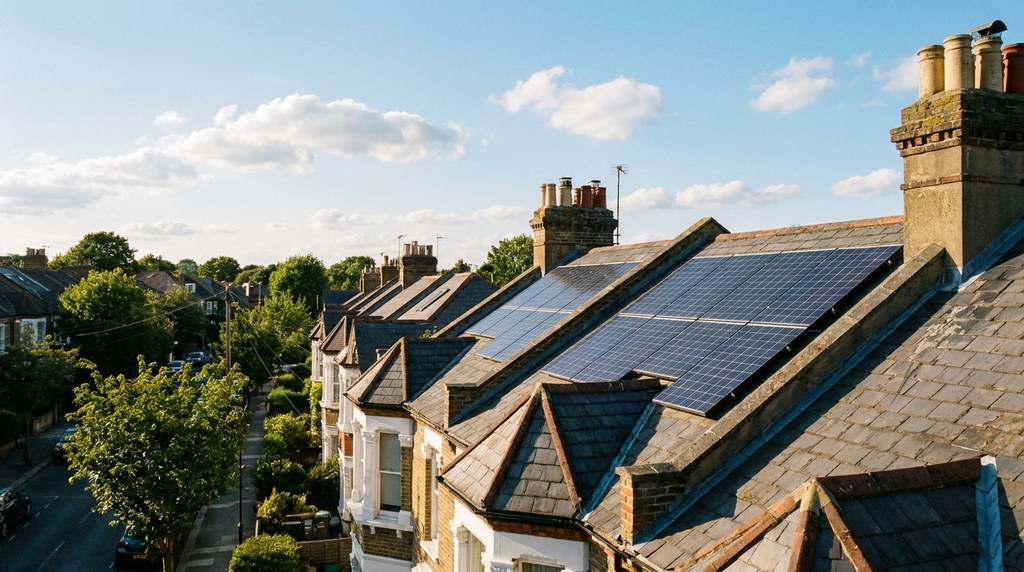
No, solar panels are not considered toxic in normal domestic use, and the UK Health and Safety Executive states that the materials used in standard photovoltaic panels pose no significant risk to human health during operation (GOV.UK, 2026). The primary concern is not toxicity during use, but rather the small amounts of hazardous materials present in some panel types, which require proper disposal at end of life.
The question of whether solar panels are toxic usually arises from confusion about manufacturing chemicals versus the finished product. Crystalline silicon panels, which make up over 90% of UK domestic installations, contain silicon, glass, aluminium, and copper, none of which are classified as toxic under UK regulations. The thin-film panels (cadmium telluride or CIGS) do contain trace amounts of cadmium or selenium, but these are sealed within the panel and pose no exposure risk when intact. The Environment Agency classifies end-of-life solar panels as waste electrical and electronic equipment (WEEE), not hazardous waste, unless damaged (GOV.UK, 2026).
Solar panel materials are safe when intact
Standard silicon solar panels contain no toxic substances that can leach out or off-gas under normal conditions. The glass and aluminium frame fully encapsulate the silicon cells, which are chemically stable. The Energy Saving Trust confirms that solar panels do not release any harmful emissions during operation (Energy Saving Trust, 2026). Even in the unlikely event of a crack, the panel remains inert, the silicon is not water-soluble and does not pose a risk to soil or groundwater. The only hazard would be from broken glass, which is a physical, not chemical, risk.
Cadmium telluride panels require proper disposal
Thin-film panels containing cadmium telluride (CdTe) do include a small amount of cadmium, a heavy metal classified as toxic if ingested or inhaled as dust. However, the CdTe compound is far less soluble and less toxic than elemental cadmium. The UK’s WEEE Regulations require all solar panels to be collected and recycled at end of life, with manufacturers funding take-back schemes (GOV.UK, 2026). Recyclers recover over 90% of panel materials, including cadmium, which is reused in new products. Domestic households face no toxicity risk from intact CdTe panels.
Recycling and disposal rules prevent environmental harm
The UK has mandatory recycling requirements for all solar panels under the Waste Electrical and Electronic Equipment Regulations. Solar panel manufacturers must register with the Environment Agency and finance collection and recycling of end-of-life panels (GOV.UK, 2026). Specialist recyclers use mechanical and thermal processes to separate glass, metals, and silicon. This ensures no toxic materials enter landfill. The Microgeneration Certification Scheme also requires installers to provide homeowners with a WEEE disposal plan (MCS, 2026). As a result, the environmental risk from solar panel toxicity is effectively managed throughout their lifecycle.
A worked example
A typical 1930s semi-detached home in Manchester installing a 4kW crystalline silicon solar system costs roughly £6,500 after the 0% VAT reduction (in place until March 2027), with no further grant available for standard panels under the ECO4 scheme or BUS grant (which is for heat pumps only). According to the Energy Saving Trust, a south-facing 4kW system in Manchester generates around 3,400 kWh per year, saving approximately £560 on annual electricity bills at current price cap rates. The system pays for itself in just under 12 years and delivers over £14,000 in total savings across its 25-year warranted lifespan, assuming a 2.7% annual rise in energy prices. No toxic materials are present in the panels, so disposal costs at end of life are minimal and covered by the standard WEEE compliance fee paid at purchase.
| Item | Figure |
|---|---|
| Upfront cost after grants | £6,500 |
| Yearly savings | £560 |
| Payback period | 12 years |
| 25-year lifetime savings | £14,000 |
What homeowners often get wrong
The most common mistake is assuming all solar panels contain toxic heavy metals like cadmium or lead, when in fact over 90% of UK domestic installations use crystalline silicon panels that contain no classified hazardous materials at all. Here are three frequent misunderstandings about solar panel toxicity
- Believing panels leach chemicals into the roof Many homeowners worry rainwater will wash toxins off panels into their garden. Crystalline silicon panels are made of glass, aluminium, and silicon, all inert materials that do not leach anything, even when exposed to decades of British rain. The only risk is to a roofer who breaks a thin-film panel and inhales dust, which is an occupational not a household hazard.
- Thinking disposal is expensive and toxic Some assume recycling a solar panel costs hundreds of pounds because of hazardous waste fees. In reality, standard silicon panels are classified as WEEE (Waste Electrical and Electronic Equipment), not hazardous waste, and most UK installers include free end-of-life take-back in the purchase price. Disposal typically costs nothing extra for the homeowner.
- Confusing manufacturing with the finished product A common online claim is that solar panel production uses toxic chemicals so the panels themselves must be dangerous. While silicon purification does use hydrochloric acid, those chemicals are fully consumed or neutralised during manufacturing. The finished panel contains zero residual processing chemicals, it is simply sand, metal, and glass sealed together.
Quick reference
- Over 90% of UK domestic solar panels are crystalline silicon which the Environment Agency classifies as non-hazardous WEEE waste.
- Thin-film panels contain trace cadmium telluride but it is sealed inside the laminate and poses no exposure risk when the panel is intact.
- A damaged thin-film panel should be handled by a licensed WEEE recycler, not disposed of in household waste, to avoid dust inhalation.
- Energy Saving Trust data shows a typical 4kW silicon system saves £560 per year and contains zero toxic materials in normal use.
- No UK grant or subsidy requires special toxicity testing for standard solar panels because they are not classified as hazardous goods.
Frequently Asked Questions
No, solar panels are not toxic to humans in normal use. The UK Health and Safety Executive states materials in standard photovoltaic panels pose no significant health risk during operation (GOV.UK, 2026).
Yes, some thin-film panels contain trace cadmium or selenium, but these are sealed and pose no risk when intact. The Environment Agency classes end-of-life panels as WEEE, not hazardous waste, unless damaged (GOV.UK, 2026).
No, solar panels cannot leak toxic chemicals during normal operation. The Energy Saving Trust confirms they release no harmful emissions, with silicon cells fully encapsulated in glass and aluminium (Energy Saving Trust, 2026).