The single most important thing to know about your solar install day
The installation of a standard solar panel system is usually finished in a single day, but the full process of connecting to the grid and starting to earn payments can take weeks. Your installer must be certified under the Microgeneration Certification Scheme (MCS) to comply with building regulations and to let you receive payments through the Smart Export Guarantee (SEG) (GOV.UK, 2026). The day starts with a safety briefing and a final check of your roof, scaffolding, and electrical setup, and while the installer handles all major tasks, you are responsible for clearing the work area and ensuring access to your consumer unit.
A standard solar panel installation is finished in one day (8-10 hours), but grid connection and SEG payments take 2-6 weeks. Your installer must be MCS-certified. Clear the work area and consumer unit access before the team arrives.
- Installation finishes in one day but grid connection takes weeks.
- Your installer must be MCS-certified for SEG payments.
- Clear the work area and ensure consumer unit access.
- Morning scaffolding takes 2-3 hours for a standard system.
- Panels and inverter are mounted by afternoon; final checks follow.
- The single most important thing to know about your solar install day
- Who is eligible for free or subsidised solar panels in 2026
- What happens on solar install day, a step-by-step timeline
- Quick numbers, key figures for your solar install day
- How to confirm your installer is certified and eligible for grants
- What determines whether your solar install is a one-day job
- What you need to do before, during, and after install day
Who is eligible for free or subsidised solar panels in 2026
The Great British Insulation Scheme closed on 31 March 2026. It funded insulation measures only and never covered windows or glazing. The Great British Insulation Scheme closed on 31 March 2026. It funded insulation measures only and never covered windows or glazing. Private renters and social housing tenants may be eligible if the landlord applies, and leaseholders in flats may qualify if the building has a communal roof. Homeowners with an EPC rating of C or above, or with a household income above the threshold, are generally ineligible for grants but can still access SEG payments (GOV.UK, February 2026).
What happens on solar install day, a step-by-step timeline
Morning: Scaffolding is erected if needed, then roof anchors and mounting rails are installed on roof joists. This takes 2–3 hours for a standard system.
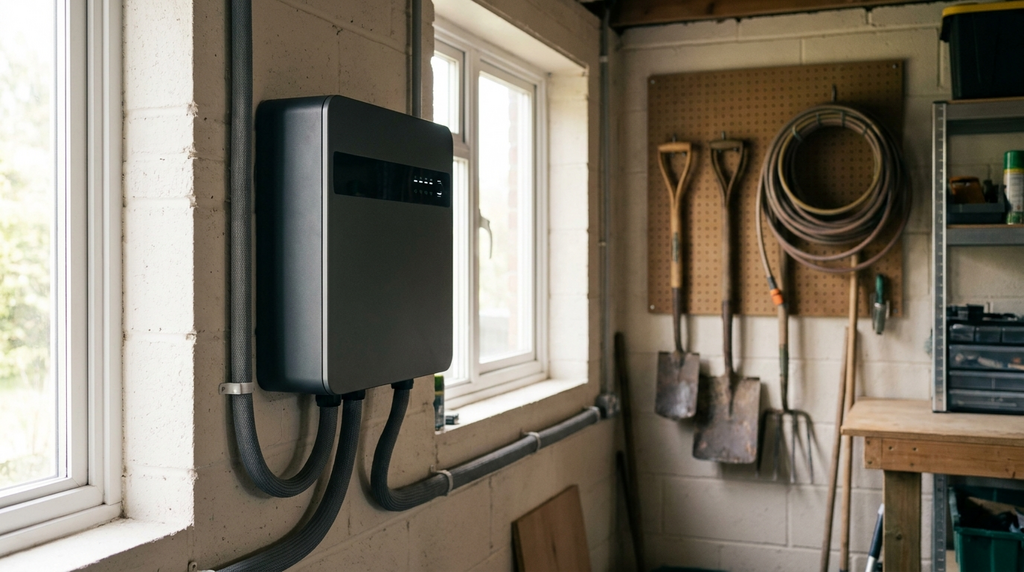
Midday: Panels are lifted onto the roof, secured to the rails, and wired in series. The inverter is mounted near the consumer unit, often in a garage or loft.
Afternoon: The solar array is connected to the inverter, the inverter is connected to your consumer unit via an AC isolator, and a generation meter is installed if required by your Distribution Network Operator (DNO).
Late afternoon: The system is tested, the installer runs a final safety check, and you receive a handover pack including the MCS certificate, warranty documents, and a guide to monitoring. A typical install for a 3–4 kWp system takes 6–8 hours with a two-person team (Energy Saving Trust, 2026).
Quick numbers, key figures for your solar install day
| Metric | Typical value | Source |
|---|---|---|
| System size | 3–4 kWp | MCS Installations Database, 2025/26 |
| Panel count | 8–12 panels | MCS Installations Database, 2025/26 |
| Install time | 6–8 hours | Energy Saving Trust, 2026 |
| Installers on site | 2 | Energy Saving Trust, 2026 |
| Scaffolding cost (if not included) | £300–£600 | EST Solar Panel Cost Guide, Jan 2026 |
| Inverter warranty | 10 years | MCS Installation Standard MIS 3002 |
| Panel warranty | 25 years | MCS Installation Standard MIS 3002 |
| SEG export rate | 5–15 p/kWh | Ofgem SEG report, Q1 2026 |
| Annual generation estimate | 2,650–3,500 kWh | Energy Saving Trust, 2026 |
| Typical cost before grants | £5,000–£7,000 | EST Solar Panel Cost Guide, Jan 2026 |
How to confirm your installer is certified and eligible for grants
Your installer must hold MCS certification for solar photovoltaic (PV) installations. You can check this on the MCS register at mcs-certified.com using the company’s MCS number (MCS Certified, 2026). For ECO4 or Great British Insulation Scheme grants, the installer must also be TrustMark-registered and have a valid NICEIC or NAPIT registration for electrical work (TrustMark, 2026). Before install day, ask for a copy of the MCS certificate, the generation meter specification, and the DNO notification acknowledgement. If the installer cannot provide an MCS certificate or DNO confirmation, the system may not qualify for SEG payments or building regulations compliance.
guide to choosing an MCS-certified solar installer
What determines whether your solar install is a one-day job
A standard 3–4 kWp system on a simple south-facing roof with no shading and easy loft access typically completes in one day. Factors that extend install time to two days include complex roof shapes such as multiple pitches or dormers, slate or clay tiles requiring specialist fixings, the need for a roof upgrade or extra scaffolding, or installing a battery storage system at the same time. If your property requires a new consumer unit or an electrical upgrade from an old fuse box, this can add half a day (Energy Saving Trust, 2026).
What you need to do before, during, and after install day
Before: Confirm scaffolding access with neighbours if needed, clear the loft and area around the consumer unit, and ensure the installer has a clear path to the roof.
During: Stay on-site or have a responsible adult present to sign off the work. Do not climb scaffolding or touch equipment.
After: Wait for the DNO to install or exchange your meter if required, and for the installer to register your system with MCS. Only then can you apply for SEG payments (Ofgem, 2026). The installer must provide a handover pack within 14 days; if not received, chase them for the MCS certificate and DNO notification letter.
how to apply for the Smart Export Guarantee after installation
Frequently Asked Questions
A standard solar panel system installation is usually finished in a single day, taking 8-10 hours from scaffolding to final checks. According to the Energy Saving Trust, this covers mounting panels, wiring the inverter, and connecting to your consumer unit.
Yes, you need to be home for the safety briefing and to provide access to your consumer unit. The installer will also need you to confirm the work area is clear and that scaffolding is safe.
The day starts with a safety briefing and roof inspection. Morning involves scaffolding and mounting rails (2-3 hours). Midday sees panels lifted and wired, with the inverter mounted. Afternoon includes final electrical connections and testing.
Yes, a standard system of 10-16 panels is often installed in one day by a trained MCS-certified team. However, grid connection and SEG registration can take 2-6 weeks after installation.
Clear the work area around your consumer unit and any roof access points. Ensure the installer has clear access to your electrical board and that scaffolding can be erected safely.