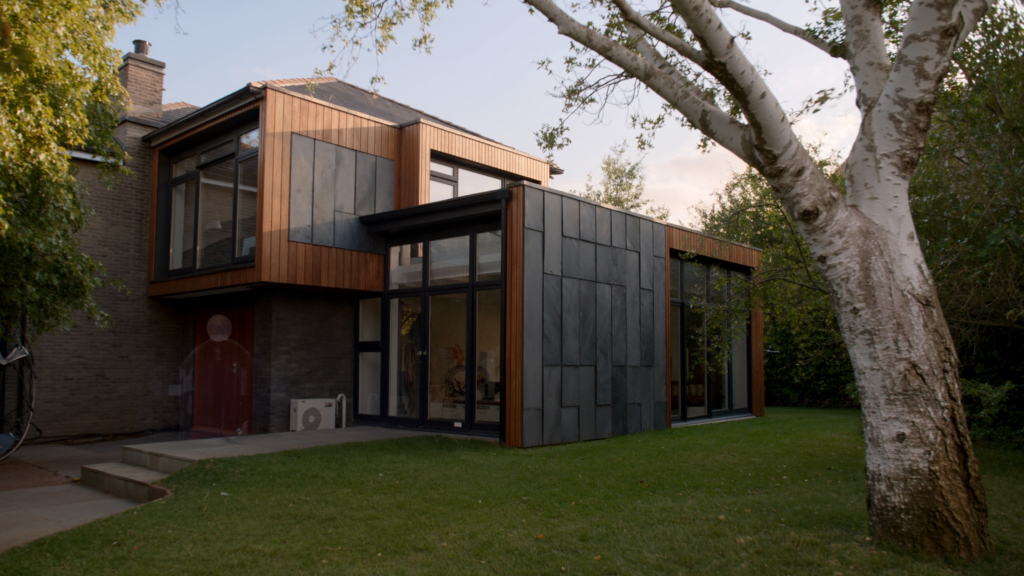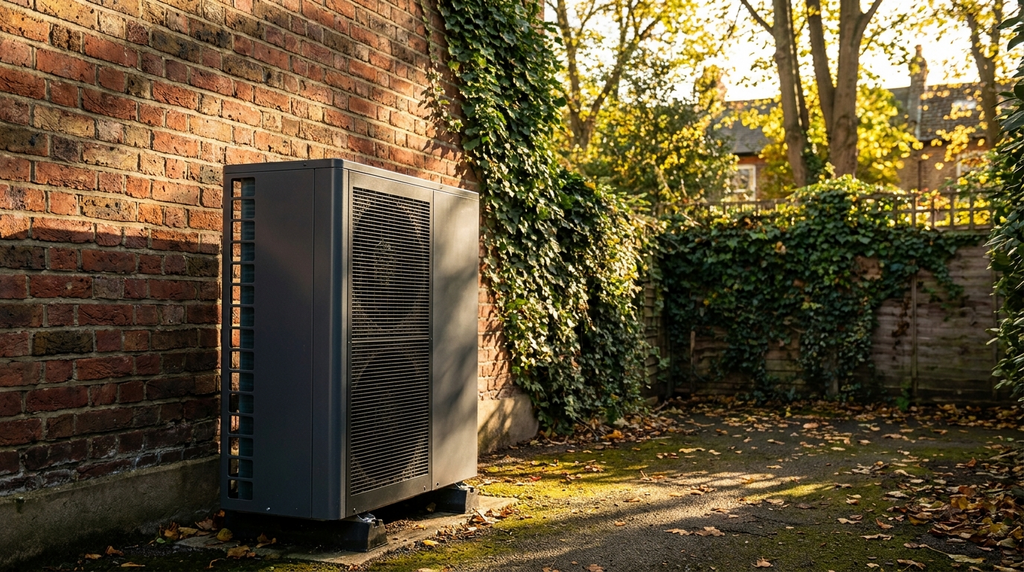
The 2025–2026 rule changes removed the 1-metre boundary setback for most heat pump installations
Planning rules for air source heat pumps changed significantly in England from 31 March 2025. The requirement for the outdoor unit to be at least one metre from the boundary of your property was removed for most homes. This change applies under the Town and Country Planning (General Permitted Development) Order, meaning many installations no longer need a full planning application.
Yes, most homes in England can install a heat pump without planning permission after the 2025 rule changes removed the 1-metre boundary setback. The outdoor unit must be under 0.6 cubic metres and at least 1 metre from neighbours' windows and public highways.
- 1-metre boundary setback removed from 31 March 2025 for most homes.
- Outdoor unit volume must not exceed 0.6 cubic metres.
- Keep unit at least 1 metre from neighbour's window or door.
- No permitted development in World Heritage Sites or conservation areas.
- Flats, maisonettes, and commercial properties are excluded from the rules.
- The 2025–2026 rule changes removed the 1-metre boundary setback for most heat pump installations
- Quick numbers key figures from the 2025–2026 permitted development changes
- Who qualifies for permitted development, and who does not
- The single most important thing you need to know about heat pump permitted development
- How to verify your installer to ensure your heat pump meets permitted development rules
- What happens if your property is in a Conservation Area, AONB, or World Heritage Site
- How to confirm your heat pump complies with the new size and siting rules
- The step-by-step process to check if you need planning permission for a heat pump in 2026
The rule update was announced by the Department for Energy Security and Net Zero (DESNZ) and the Ministry of Housing, Communities and Local Government (MHCLG) in December 2024. The previous 1-metre setback rule prevented many terraced and semi-detached homes from installing a heat pump under permitted development rights. Removing this barrier means more homeowners can now install a heat pump without the cost and delay of a planning application.
Quick numbers key figures from the 2025–2026 permitted development changes
| Rule or figure | What it means | Source |
|---|---|---|
| 1-metre boundary setback removed | No longer required for most installations | GOV.UK planning guidance (DESNZ, MHCLG, 2024) |
| 0.6 cubic metres | Maximum volume for an outdoor heat pump unit | GOV.UK planning guidance (DESNZ, MHCLG, 2024) |
| 1 metre distance from flue or air intake | Must be at least 1m from a neighbour’s window or door | GOV.UK planning guidance (DESNZ, MHCLG, 2024) |
| 1 metre distance from a public highway | Applies to installations on front elevations | GOV.UK planning guidance (DESNZ, MHCLG, 2024) |
| No permitted development in a World Heritage Site or Conservation Area | Different rules apply in these zones | Historic England / GOV.UK planning portal |
Who qualifies for permitted development
Permitted development rights for heat pumps apply to most single-family homes in England that are not in a designated area. This includes detached, semi-detached, and terraced houses. Flats, maisonettes, and commercial properties are excluded from these permitted development rights entirely.
If your home is a listed building, you will need listed building consent regardless of whether the installation meets permitted development rules. The heat pump must also be installed by an MCS-certified installer to qualify for permitted development and for grant eligibility under the Boiler Upgrade Scheme. The 2025 rule changes did not alter the requirement for MCS certification.
The single most important thing you need to know about heat pump permitted development
From 31 March 2025, most homeowners in England no longer need planning permission to install an air source heat pump as long as the unit is under 0.6 cubic metres and is at least one metre from a neighbour’s window or door. This change removed the previous 1-metre boundary setback that blocked many terraced and semi-detached homes from installing a heat pump under permitted development rights (GOV.UK planning guidance, DESNZ, MHCLG, 2024).
If your property is not in a designated area and you meet the size and siting rules, you can proceed without a planning application. The three key checks are: unit volume under 0.6 cubic metres, at least one metre from a neighbour’s window or door, and not on a front elevation within one metre of a public highway.
How to verify your installer to ensure your heat pump meets permitted development rules
Your installer must be registered with the Microgeneration Certification Scheme (MCS) for the installation to be eligible under permitted development and for the Boiler Upgrade Scheme grant. You can check the MCS installer database at mcscertified.com to confirm certification before hiring.
The installer should also hold TrustMark registration, which covers customer protection and workmanship standards. If the installation involves electrical work, the electrician must be registered with NICEIC or NAPIT. Using an installer who is not MCS-certified could mean your installation does not qualify for permitted development and you may need to apply for retrospective planning permission. How to choose an MCS-certified heat pump installer
What happens if your property is in a Conservation Area, AONB, or World Heritage Site
Permitted development rights for heat pumps are restricted or entirely removed in designated areas such as Conservation Areas, Areas of Outstanding Natural Beauty (AONBs), and World Heritage Sites. In these zones, you must apply for full planning permission from your local planning authority. The 2025 rule changes did not alter the restrictions for these areas, they remain as before.
To check whether your property falls within a designated area, use the government’s Planning Portal or your local council’s mapping tool. If your property is in one of these zones, you will need to submit a householder planning application, which typically takes 8–12 weeks to process. There is no guarantee of approval, and your local planning authority may impose conditions on the siting or appearance of the unit.
How to confirm your heat pump complies with the new size and siting rules
Measure the outdoor unit’s volume, it must not exceed 0.6 cubic metres. This is roughly equivalent to a unit that is 100cm tall, 100cm wide, and 60cm deep. Ensure the unit is at least one metre from any neighbour’s window or door (not your own). Do not install the unit on a front elevation if it is within one metre of a public highway.
If your property is a terrace or semi-detached, the removal of the 1-metre boundary setback means you can now install a heat pump on a side or rear wall without needing planning permission, provided the size and siting rules are met. However, you must still comply with the 1-metre distance from a neighbour’s window or door. The unit should also not obstruct access or create a nuisance for neighbours.
The step-by-step process to check if you need planning permission for a heat pump in 2026
- Check if your property is in a designated area (Conservation Area, AONB, World Heritage Site), use the Planning Portal or your local council’s website.
- If not in a designated area, confirm the heat pump unit is under 0.6 cubic metres and at least one metre from a neighbour’s window or door.
- Ensure the unit is not on a front elevation within one metre of a public highway.
- Hire an MCS-certified installer, search the MCS register.
- If your property is in a designated area or you cannot meet the siting rules, submit a householder planning application to your local council.
Following this process will help you avoid the risk of installing a heat pump without the necessary permissions. If you proceed without permitted development rights and without planning permission, your local planning authority can require you to remove the unit. Heat pump grants and funding options in 2026
Frequently Asked Questions
Permitted development lets you install an air source heat pump without a full planning application, subject to rules. The 2025 changes, confirmed by GOV.UK, removed the 1-metre boundary setback for most homes.
Yes, for most single-family homes in England not in a designated area. Ofgem and GOV.UK state the 1-metre setback rule is gone, but size and siting limits still apply.
The outdoor unit must not exceed 0.6 cubic metres. It must also be at least 1 metre from a neighbour's window or door, and 1 metre from a public highway, as per GOV.UK planning guidance.
Yes, terraced houses qualify for heat pump permitted development in England. The 2025 rule changes by DESNZ and MHCLG removed the 1-metre boundary setback that previously blocked many terraced homes.
No, permitted development rights do not apply in conservation areas, World Heritage Sites, or Areas of Outstanding Natural Beauty. You must apply for planning permission in these zones, as per Historic England.