Before The Front Door That Said Nothing
It’s a damp Tuesday afternoon in late autumn. The sky is that particular shade of grey that makes everything look a little tired. A visitor stands on your step, hand hovering, and hesitates. They check the number again. Is this the right house? The door is clean, freshly painted in a sensible colour, but somehow it says nothing. No welcome. No hint of the life lived behind it. Just a flat, polite surface that could be anyone’s.
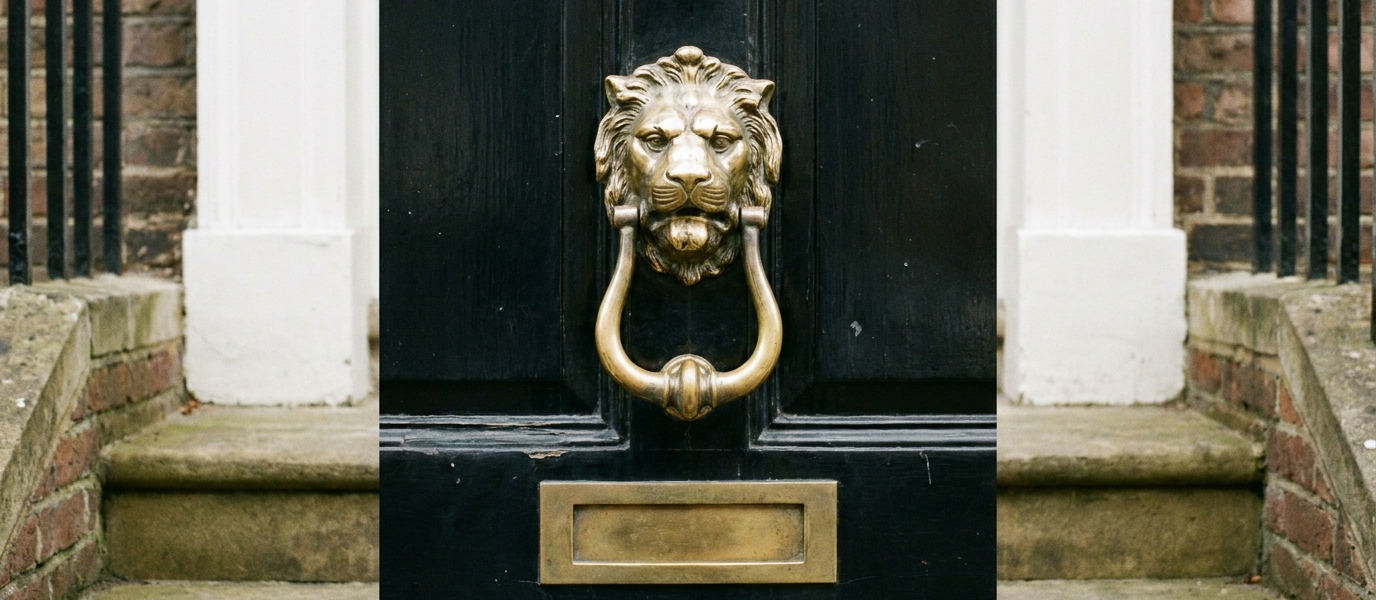
You’ve spent months on the interior. Reclaimed floorboards that creak in the right places. A warm kitchen where the kettle lives permanently on the Aga. A soft grey living room with a deep sofa and a stack of books by the fire. But the entrance still feels like a hallway to someone else’s life. Then you notice your neighbour’s door opposite. A brass lion’s head knocker, worn to a gentle gold at the edges, sits proud against a deep green paint. Suddenly your own door feels anonymous. That small detail changes everything.
Why a Door Knocker Is Never Just a Handle
What you touch first sets the tone for everything that follows. Think about it. A doorbell is a transaction, a button, a buzz, a mechanical noise that says “someone is here.” But a knocker is a gesture. You reach out. You curl your fingers around metal that has been warmed by other hands. You lift it, feel its weight, and let it fall. The sound is yours. It’s physical, deliberate, and surprisingly intimate.
The right knocker signals care. It says someone lives here who notices the small things. Visitors pick up on this before they’ve even crossed the threshold. They might not name it, but they feel it: this house is looked after. This house has taste. The knocker is the first handshake between your home and the world.
Let Your Front Door Do the Heavy Lifting
Choosing a period door knocker that matches your house’s age isn’t about dressing up in costume. It’s about having a conversation with the building. A Victorian terrace calls for scrollwork, something with a little drama, a little flourish. A Regency villa suits a simple Georgian oval, clean and uncluttered. For something grander, a bold dolphin or an urn knocker makes a statement without shouting.
Material matters more than you’d think. Unlacquered brass will patina over time, shifting from bright gold to a soft, mellow bronze. Polished chrome stays bright and crisp, which feels more contemporary. Which is more honest? The brass that ages with you, that records the weather and the years. That feels like a home that’s lived in, not a showroom.
The knocker is the first clue to your home’s character. Not loud, but unmistakably present.
Pick a Colour That Softens with the Seasons
A knocker doesn’t exist in isolation. It lives against a backdrop, your door colour, your brickwork, the light that changes across the year. A dark navy door calls for polished brass, the two colours playing off each other like a good suit and a good watch. A sage green door suits a darker, aged bronze, something that feels rooted in the earth.
Here’s the thing most people miss: the same knocker catches low winter sun differently than high summer light. In December, the brass glows warm against a cold sky. In July, it throws sharp, clean reflections. A good choice looks deliberate in both. And the patina argument? Let the brass tarnish a little. It’s not neglect. It’s history forming in real time. That soft green bloom on an old knocker is the house telling its own story.
Eight Ways to Soften a Tall Sash Window
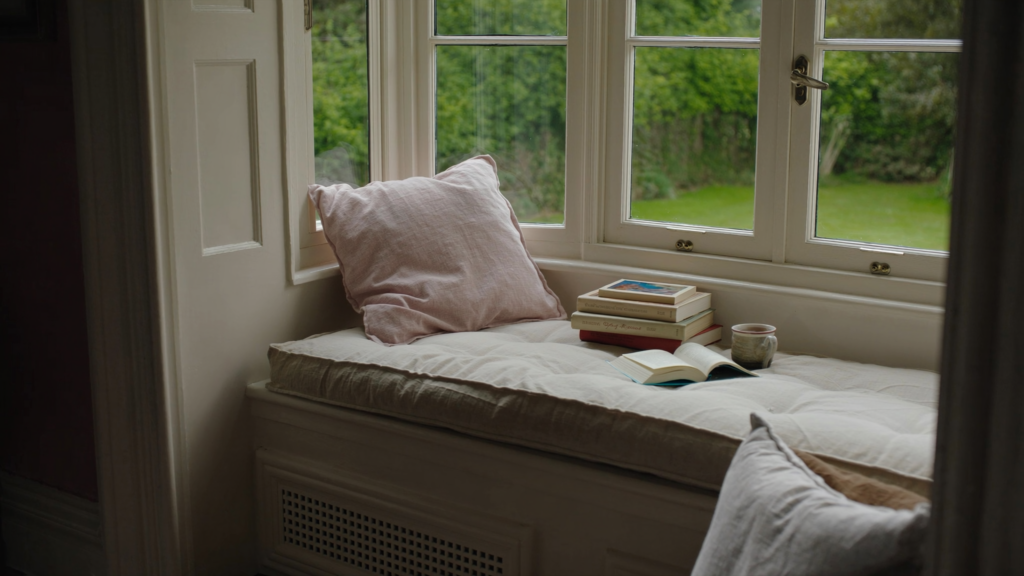
The knocker is the first thing visitors notice, but the windows are the second. A tall sash window, especially in a period home, can feel stark if left undressed. Here’s how to soften it without losing its character:
- Add a slim pelmet in a muted linen. It frames the window without overwhelming it.
- Use a single statement plant pot on the sill, a sculptural succulent or a trailing ivy.
- Paint the inner reveal a slightly darker shade than the wall. It creates depth without curtains.
- Hang a small, simple lantern beside the door. The light draws the eye outward.
- Choose a knocker that echoes the window’s proportions, tall and slender for a sash, wider and rounder for a casement.
- Keep the glass clean but not clinical. A little reflection is fine. It’s a home, not a laboratory.
- Let the window frame be the frame for the knocker’s metal tone. Brass against white wood works. Bronze against dark wood works better.
- Repeat the knocker’s material in a window catch or handle nearby. That tiny echo ties the front elevation together.
Why Texture Matters More Than Colour
A knocker is a tiny sculpture. Before your eye registers the colour, gold, bronze, silver, it catches the surface. Smooth. Hammered. Ridged. Engraved. That texture is what makes you stop and look. It’s what makes the detail feel deliberate.
Then there’s the tactile moment. Visitors run a finger over the lion’s mane or the urn’s curve. It’s a small, unconscious touch, barely noticed. But it says more about your home than any paint shade ever could. That touch is a conversation between the visitor and the house.
Pairing texture is where the magic happens. A rough stone step. A smooth brass knocker. A wooden door with visible grain. The mix of materials, hard and soft, shiny and matt, old and new, is what makes an entrance feel real. It’s not about matching. It’s about layering.
After The Door That Makes People Pause
Back to that Tuesday afternoon. Now the visitor stands at the step, hand reaching for the knocker, a polished brass urn with a satisfying weight. They smile before they knock. The sound is a clean, confident thud that says someone cared enough to choose this.
You notice the change. Neighbours comment. Delivery drivers are more careful with the parcels. The house feels introduced to the street rather than hiding from it. One small detail, chosen with patience, makes the whole front elevation feel intentional. The knocker didn’t cost much, around £40 to £150 for a solid brass piece, but it cost attention. And that’s what visitors remember. Not the cost, but the care. The sense that someone lives here who notices the small things. The door that finally speaks.