The room before, the room after
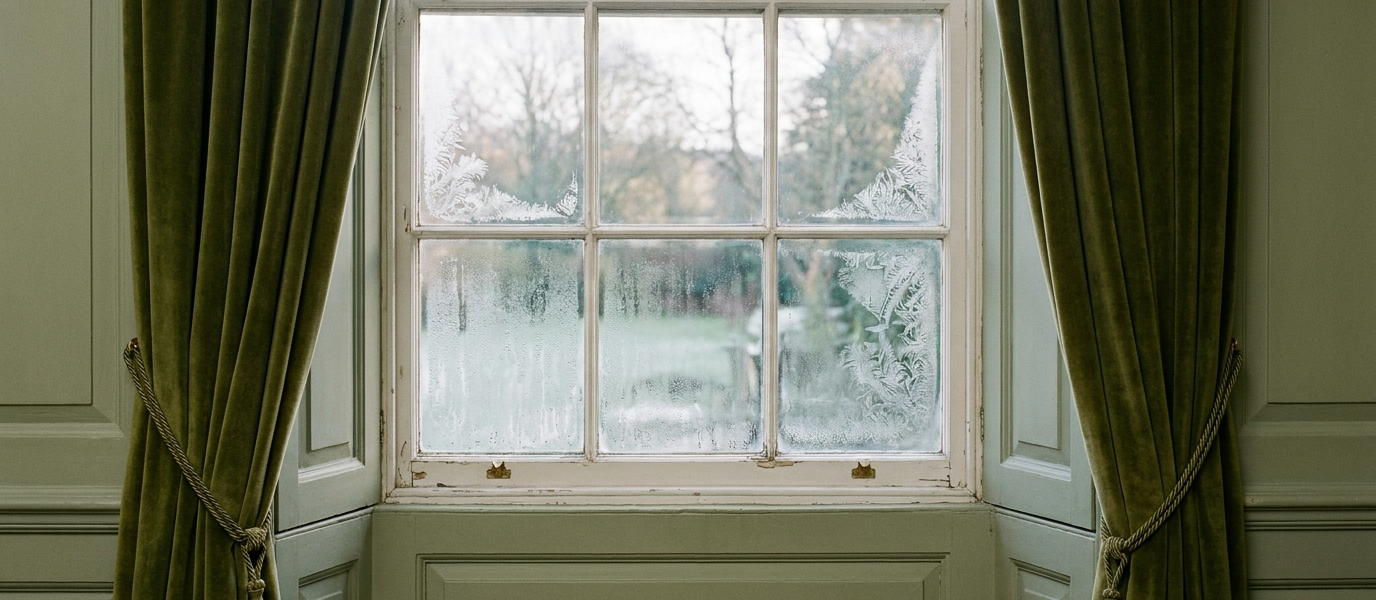
You remember it best in the dim, quiet hour just before dawn. The faint, almost imperceptible lift of the curtain hem as a draught finds its way through the gap. The cold glass, so close to your face as you draw the fabric closed, a surface that feels less like a window and more like a thin, brittle lid between you and the whole of January. The radiator has been on for hours, ticking and clanking, yet the air at the centre of the room is still cool, still reluctant to yield. That is the particular chill of a single glazed window. It is not a draft you can pinpoint; it is a climate.
Now imagine the same room after the upgrade. The silence is the first thing that lands. The clatter of the street is muffled, the hiss of the wind against the pane is gone. The warmth is even, not stratified into hot patches near the radiator and cold zones by the glass. The window itself feels solid, inert, a part of the wall rather than a membrane you can almost feel flex under pressure. This is not a story about energy bills, though they will fall. It is a story about how a room feels to inhabit, how it holds a mood, and how you can reclaim a space that winter had quietly stolen from you.
Why the cold feels personal
The single glazing cold is not a technical problem; it is a domestic one. It sits on your shoulder while you try to read. It turns a morning coffee into a shiver. It is the reason you have rearranged your furniture so the sofa faces away from the window, the reason you wear a jumper indoors in November, the reason you have stopped using that corner of the room entirely. The human cost is subtle but cumulative: rooms that become unusable for four months of the year, a house that feels less like a sanctuary and more like a compromise.
What you gain when you address it is not just a lower heating bill. You reclaim the whole room. You can sit by the window in winter, not just beside the radiator. You can place a desk under the sill without your feet going numb. The psychological weight lifts: your home stops leaking warmth, and with it, stops leaking your sense of safety. It is a quiet, domestic liberation.
Three replacements that change the room’s character
Not all glazing upgrades are created equal, and the wrong choice can erase the very character you are trying to preserve. Here are three that do the opposite:
- Slim-profile double glazing. This is the one for period homes, for conservation areas, for the Victorian sash that draws so beautifully but leaks so badly. The glass unit is thinner than standard double glazing, so it fits into the original frame or a very slim replica. It preserves the sightlines, keeps the frame thin, but stops the cold dead. Expect to pay around £500 to £1,200 per window depending on size and finish.
- Heritage vacuum glazing. Almost invisible. Two panes of glass with a vacuum between them, so thin it can sit in the original single-glazed frame. The heat loss is dramatically reduced, and from across the room, you cannot tell the difference. It is the upgrade that whispers, not shouts. Usually £600 to £1,500 per window.
- Timber-framed double glazing. This changes the room in two ways: thermally and acoustically. The wood adds depth to the window reveal, a softness that aluminium or uPVC cannot match. The sound of rain on the glass becomes muffled, the rumble of traffic drops away. It is an investment in quiet as much as warmth, typically £800 to £2,000 per window.
The detail that makes or breaks the upgrade
The frame matters as much as the glass. You can spend a fortune on the finest vacuum glazing, but if the frame is poorly fitted, if there is a gap at the edge where the old timber has warped, you will still feel the single glazing cold creeping in. It is the seal and the fit that earn the upgrade its keep.
Here is a trick of the trade: ask for low-iron glass. Standard glass has a faint green tint, especially visible on the edge of a pane. Low-iron glass is crystal clear. It means your view of the garden stays colour-true, and the window itself reads as a clean aperture rather than a slightly green filter. A beautiful window that still lets in a draught is a beautiful failure. Insist on the seal, insist on the frame, and the room will reward you.
What the light does after
Single glazing scatters and softens light in its own way, old glass has a slight ripple, a warmth that feels generous. But it also lets in UV that fades your sofa, your rug, your grandmother’s watercolour. The upgrade is a trade-off, but it does not have to be a sterile one.
Double glazing can feel too flat, too clinical, if you choose poorly. The solution is a warm-edge spacer bar. This is the strip that separates the two panes of glass. Standard aluminium spacers create a cold bridge at the edge of the window, which can lead to condensation and a hard, sharp look. A warm-edge spacer, made from plastic or foam, keeps the whole pane at a more even temperature and avoids that cold, clinical feel. The reward is a window that frames the garden or the street without distortion, without condensation, without the particular chill that used to sit on the glass. The light that comes through is still soft, still generous, but now it stays on your side of the pane.
Five ways to soften a tall sash window
A tall sash window is a beautiful thing, but it is also a tall, cold surface. Here are five ways to soften it, to make it feel like a feature rather than a problem:
- Use a roman blind with a deep thermal lining. Not a roller blind, which creates a hard line and lets cold air spill around the edges. A roman blind folds into soft pleats and, with a thermal backing, traps a layer of air against the glass.
- Hang curtains from ceiling height to floor. Do not stop at the frame. Curtains that run from ceiling to floor trap a column of air and add a softness that no blind can match. The extra fabric also muffles sound and makes the room feel taller.
- Add a low window seat with storage beneath. It anchors the window visually and blocks the coldest air at floor level. The storage is a bonus, shoes, blankets, the things you want out of sight but close at hand.
- Choose a paint colour for the sash that reads as shadow or sky, not white. A deep slate, a soft grey-blue, or a muted green makes the window feel deeper, as though it is receding into the wall. White can make the glass look like a hole. A darker frame makes it feel like a frame.
- Introduce a gentle uplight behind a pelmet or on the sill. At dusk, a warm LED strip or a small lamp on the sill turns the window from a cold source into a warm feature. It glows, it draws the eye, and it makes the room feel held.
The quietest upgrade you’ll make
The sound reduction from double glazing is often the first thing people notice, before the warmth. You close the window and the street drops away. The rain becomes a muffled patter, not a drumming. The wind stops whistling through the gap. Single glazing cold is also single glazing loud. The two go hand in hand.
What you gain is a room that feels insulated not just from temperature but from the outside world. It becomes a sanctuary, not a compromise. You sit by the window in the evening, the glass cool but not cold, the room warm and still, and you realise that the particular chill you had lived with for so long was not just a draft. It was a low, constant hum of discomfort that you had learned to ignore. When it is gone, the silence is the first thing you notice. The second is how much of your home you had given up without realising it.