The quiet that arrives with a well-insulated room
You notice it first in the silence. Not the absolute silence of the countryside, but the absence of something you didn’t realise was there: the distant hum of the A-road, the rattle of a loose sash window, the sudden cold breath against your neck as you walk past the front door. In a draughty house, you’re always adjusting, turning the thermostat up, pulling on a jumper, closing a door that never quite fits. It’s a low-grade, constant negotiation with your own home.
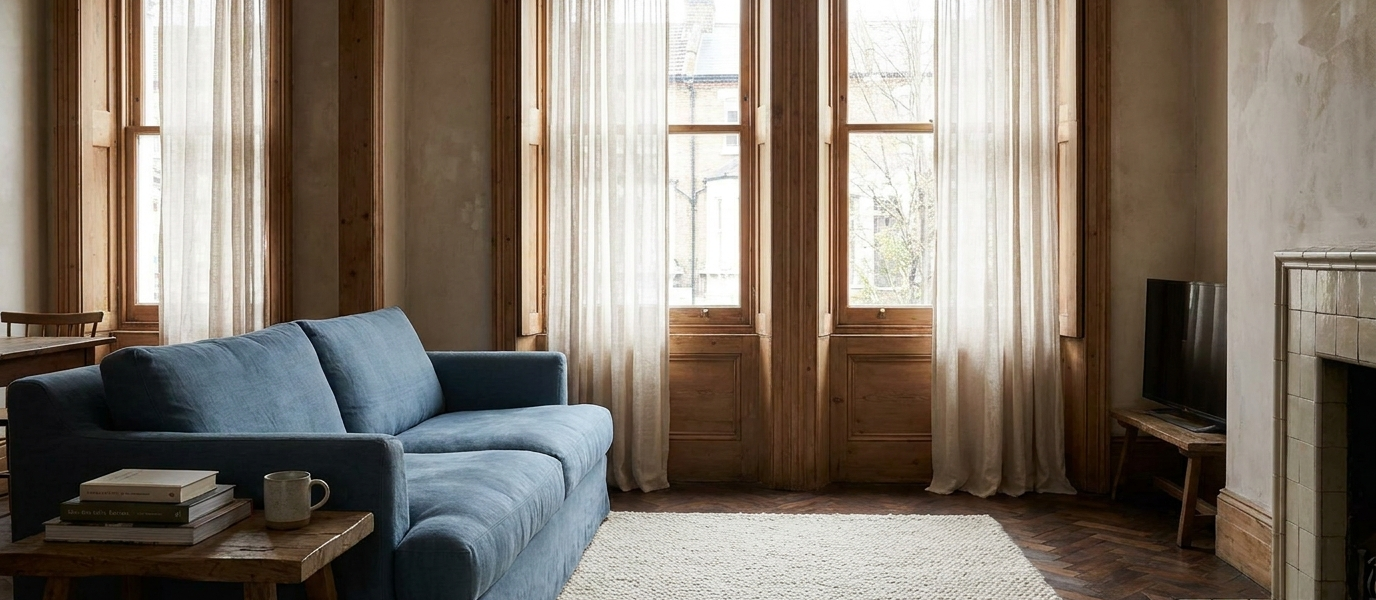
When insulation works properly, that negotiation stops. The room holds itself. You walk in and the air is still, the temperature even. There’s no sudden drop near the window, no invisible current moving across the floor. It feels less like a space you have to manage and more like one that’s holding you. That’s the first thing people notice: the sense of being wrapped, not fought.
Warmth that doesn’t announce itself
There’s a difference between warmth you feel and warmth you have to think about. In a poorly insulated room, you rely on radiators to blast heat into the air. You stand near one until you’re too hot, then step away and feel the chill. It’s a constant dance. With good insulation, the walls themselves hold warmth. The floor doesn’t shock your bare feet in the morning. The room doesn’t need to be “topped up” every hour.
This is radiant comfort, the kind you get from a house that works as a thermal envelope, not a sieve. It’s the difference between a room that warms quickly and one that stays warm. You notice it in the small things: the way your coffee stays hot a little longer, the way you don’t rush to close the curtains at dusk. The heat isn’t dramatic. It’s just there, steady and unremarkable, which is exactly the point.
How a consistent temperature changes your daily rhythm
Once your home holds a steady temperature, your day changes in small, almost invisible ways. You stop checking the thermostat. You stop noticing cold spots near the sofa. You stop feeling that sudden chill when you step away from the radiator to answer the phone. It sounds trivial, but it adds up to something real: mental space.
Instead of managing your environment, you start using it. That chair by the window that was always too cold in winter? It becomes your favourite reading spot. The hallway you used to rush through? You linger. A consistent temperature means you don’t have to think about the house. You can think about what you’re doing in it. That’s the psychological ease of a home that works with you, not against you.
The texture of still air
Draught-proofing and insulation don’t just keep heat in, they change the feel of the air itself. In a draughty house, the air is restless. You feel invisible currents moving across the room, stirring dust, making curtains shift. It’s hard to settle. In a well-insulated home, the air feels softer, more still. It’s the difference between sitting in a breeze and sitting in a room that’s holding its breath.
This affects everything. Sleep is deeper when there’s no cold air moving across your face. Concentration is easier when you’re not distracted by a fluctuating temperature. And it changes how you use your home: rooms that were once “winter-only” because they were impossible to heat become year-round spaces. That spare bedroom becomes a study. That chilly extension becomes a place to sit with a book. The house expands without adding a single square foot.
Seven ways insulation reshapes how a room looks and feels
- Walls that feel solid, not hollow. Tap a well-insulated wall and it sounds dense, substantial. There’s no thin, echoey quality that makes a room feel temporary.
- Windows that sit flush and silent. No more rattling frames or whistling gaps. The window becomes a calm sheet of glass, not a weak point in the room’s envelope.
- Floors that lose their icy edge. A timber or concrete floor that’s insulated underneath doesn’t send a shock up through your feet. You can walk barefoot without thinking about it.
- Ceilings that stop leaking heat (and sound). Insulation in the roof doesn’t just keep warmth in, it muffles the sound of rain, wind, and neighbours. The room feels quieter, more private.
- Rooms that hold their shape through the day. Instead of cooling down the moment the sun goes in, the room stays stable. You don’t feel the house “breathing” with the weather.
- A consistent light quality. Less condensation on the glass means fewer smears and fogged-up windows. The light stays clear, and the room feels brighter for longer.
- The absence of that “thin” feeling near external walls. You know the one, the sense that the wall is barely keeping the outside out. With insulation, the boundary feels real. The room stops at the wall, not before it.
Why a warmer home is a quieter one, too
Insulation doesn’t just trap heat, it traps sound. The same materials that slow the movement of warm air also dampen noise. That means less traffic rumble, less wind noise, less of the hollow echo that makes a sparsely furnished room feel empty. The shift is subtle but real: a house that sounds “empty” becomes one that feels full and settled.
This matters in social spaces. When the room absorbs sound rather than bouncing it around, conversations feel more intimate. You don’t have to raise your voice to be heard across the table. The house itself becomes quieter, calmer, more conducive to sitting still and talking. It’s one of those benefits you don’t think about until you experience it, and then you wonder how you lived without it. For more on this, see soundproofing vs insulation differences.
The slow pleasure of a house that doesn’t need fixing
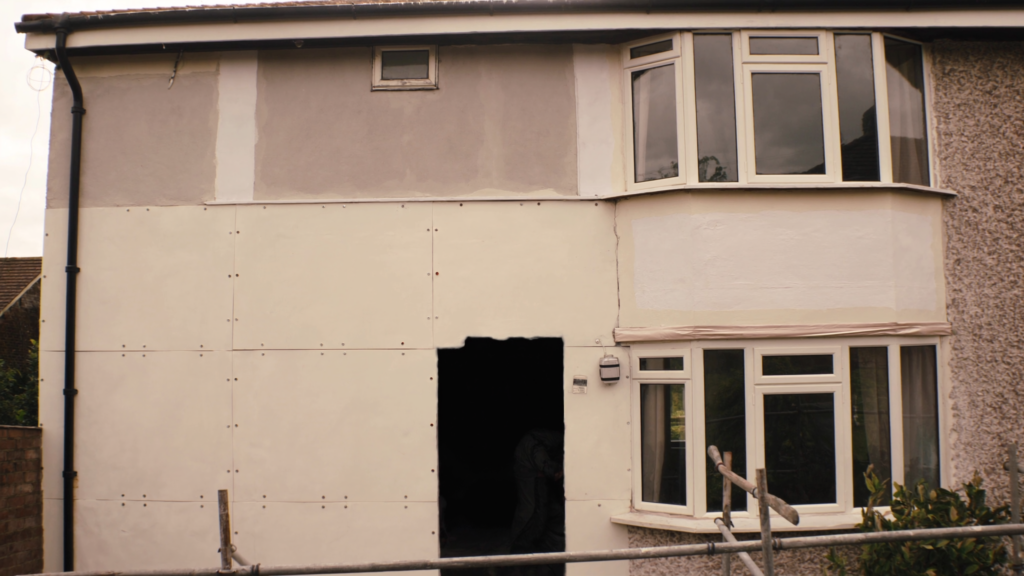
There’s an emotional payoff to insulation that goes beyond comfort. It’s the freedom from constant maintenance. Fewer drafts to patch. Fewer radiators to bleed. Fewer moments of frustration when a room refuses to warm up, or a window sticks because the frame has warped from moisture. A well-insulated house is a house that lets you live in it, not maintain it.
And that changes how you decorate, too. Paint stays put because the walls aren’t sweating. Wood doesn’t warp because the humidity is stable. You can choose materials based on how they look and feel, not on how they’ll survive the building’s quirks. That’s a kind of freedom that’s easy to overlook, but hard to overstate. If you’re planning a renovation, door colour ideas might be the fun part, but the real change starts with what’s behind the walls. A house that holds itself steady is a house you can finally call home.