Pension Credit recipients can get a free insulation grant worth up to £7,500 in 2026
If you are a homeowner receiving Pension Credit, you could be missing out on a government grant that covers the full cost of insulating your home. The Great British Insulation Scheme closed on 31 March 2026. It funded insulation measures only and never covered windows or glazing. The total grant value typically ranges from £1,500 to £7,500 depending on your property type and the insulation measures needed, as set by the Department for Energy Security and Net Zero (DESNZ, Great British Insulation Scheme guidance, 2026).
Whether you need cavity wall insulation, loft insulation, or solid wall insulation, the grant covers the installation cost in full for Pension Credit households. The only cost you might face is if you choose a more expensive option than the standard measure, but most homeowners pay nothing. The Great British Insulation Scheme closed on 31 March 2026. It funded insulation measures only and never covered windows or glazing.
Cavity wall insulation saves the average UK home £305 per year on heating bills
Cavity wall insulation is the most common measure funded by the grant, and it delivers the quickest payback. The Great British Insulation Scheme closed on 31 March 2026. It funded insulation measures only and never covered windows or glazing. The Energy Saving Trust estimates that a gas-heated home with cavity walls installed before 2026 saves around £305 per year on heating bills (Energy Saving Trust, cavity wall insulation savings data, 2026).
If you were paying for the installation yourself, the typical cost for a three-bedroom semi-detached house ranges from £1,500 to £2,500, giving a payback period of roughly eight years. But with the grant, the payback is immediate, you start saving from the day the insulation is installed. The work usually takes half a day and causes minimal disruption.
Loft insulation top-up saves £180 annually and costs nothing for eligible households
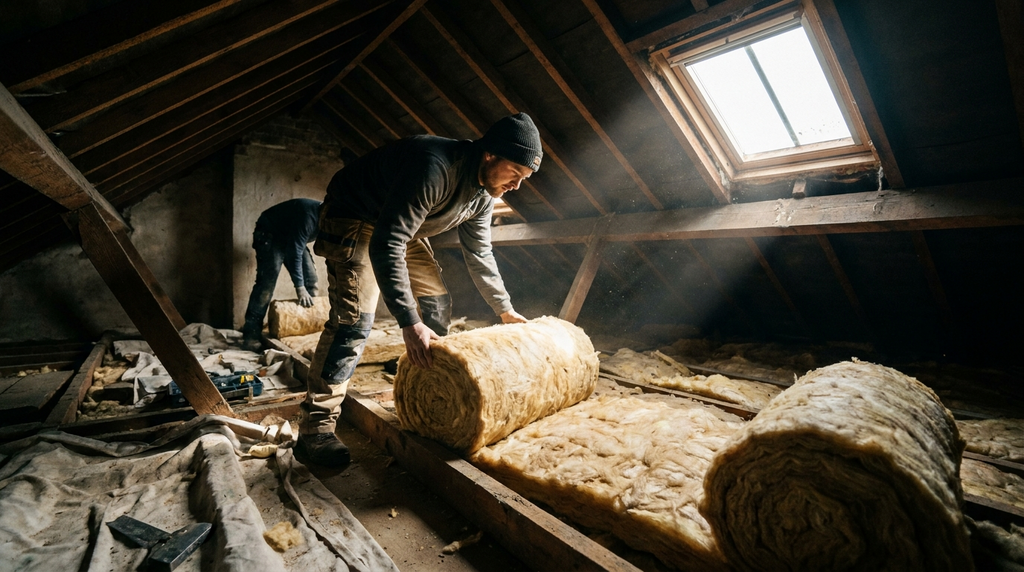
If your loft already has some insulation but is below the recommended 270mm depth, the grant covers a top-up from 100mm to 270mm of mineral wool insulation. The Energy Saving Trust estimates this saves £180 per year on heating bills for a gas-heated semi-detached home (Energy Saving Trust, loft insulation savings figures, 2026). The Great British Insulation Scheme closed on 31 March 2026. It funded insulation measures only and never covered windows or glazing.
You do not need to have your loft completely empty, installers can work around stored items, though moving them yourself speeds up the job. The grant covers both the insulation material and the labour, so there are no hidden charges. If your loft has no insulation at all, the grant also covers a full installation from scratch, which typically saves around £300 per year.
The grant covers solid wall insulation, but costs are higher and savings vary
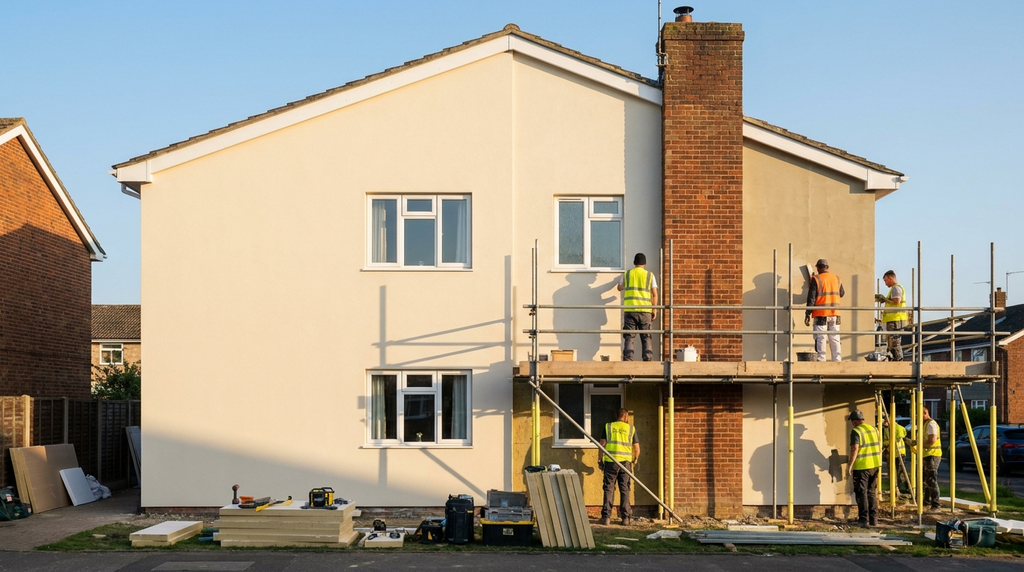
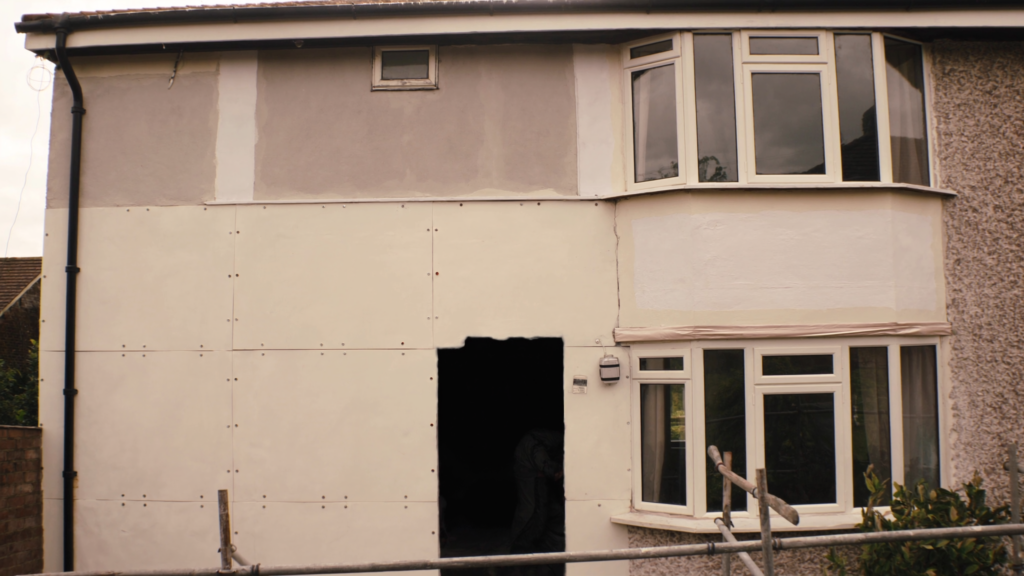
Solid wall insulation is more expensive than cavity or loft insulation, but the grant covers up to £7,500 for both internal and external options. The Great British Insulation Scheme closed on 31 March 2026. It funded insulation measures only and never covered windows or glazing. External solid wall insulation for a typical semi-detached house falls in a similar range, also fully covered.
The Energy Saving Trust estimates that external solid wall insulation saves around £385 per year on heating bills for a gas-heated semi-detached home (Energy Saving Trust, solid wall insulation savings data, 2026). Internal solid wall insulation saves a similar amount, though slightly less because it does not address thermal bridging as effectively. The payback period is longer than for cavity wall insulation, up to 19 years if you were paying full price, but with the grant, the payback is immediate.
Quick numbers, what the grant covers and what it saves
| Insulation type | Typical grant-funded cost | Annual saving (gas-heated semi-detached) | Payback period |
|---|---|---|---|
| Cavity wall | £0 | £305 | Immediate |
| Loft top-up (100mm to 270mm) | £0 | £180 | Immediate |
| Internal solid wall | £0–£7,500 | £385 | 0–19 years |
| External solid wall | £0–£7,500 | £385 | 0–19 years |
Source: Energy Saving Trust savings data, 2026; Ofgem GBIS scheme cost data, 2026.
Pension Credit insulation grant eligibility is straightforward for claimants
If you receive Pension Credit, either the guarantee credit or savings credit element, you are automatically eligible for the full grant. The Great British Insulation Scheme closed on 31 March 2026. It funded insulation measures only and never covered windows or glazing. You must own your home or have written permission from your landlord if you rent.
The property must have an Energy Performance Certificate (EPC) rating of D, E, F, or G. You can check your EPC rating on the government’s EPC register. If your home already has an A, B, or C rating, you are not eligible for the grant unless insulation upgrades are recommended in the EPC report. The grant is available to homeowners in England, Scotland, and Wales.
You do not need to have a survey done before applying, the installer arranges this as part of the process. What to do if your EPC rating is too high for the insulation grant
Installers must be MCS certified and TrustMark registered for grant work
All installation work under the Great British Insulation Scheme must be carried out by an MCS (Microgeneration Certification Scheme) certified installer. The installer must also be registered with TrustMark, the government-endorsed quality scheme for home improvements (MCS website, 2026; TrustMark website, 2026). You can check an installer’s MCS certificate number on the MCS public register at mcs-certified.com.
If the work involves gas boilers or heating controls, the installer must be Gas Safe registered (Gas Safe Register, 2026). This applies mainly to solid wall insulation projects that include heating system upgrades. Always verify an installer’s credentials before allowing them to start work. Using an unregistered installer could invalidate the grant and leave you without consumer protection.
Applying for the Pension Credit insulation grant takes under 30 minutes
The application process is straightforward and does not require you to fill in complex forms. First, confirm that you receive Pension Credit, if you do, you qualify. Next, search the MCS register for GBIS-accredited installers in your area. Contact one or two and ask if they participate in the Great British Insulation Scheme (Ofgem, GBIS application process, 2026).
The installer then arranges a free home survey to assess your property’s insulation needs. If the survey confirms eligibility, the installer handles all the grant paperwork with Ofgem on your behalf. You do not need to contact Ofgem directly. The installation is typically scheduled within two to four weeks of the survey. The whole process from initial contact to completed installation usually takes four to six weeks (GOV.UK, Great British Insulation Scheme guidance, 2026).
Frequently Asked Questions
The grant is worth between £1,500 and £7,500 depending on your property type and insulation needs, as set by the Department for Energy Security and Net Zero (DESNZ).
The grant covers cavity wall insulation, loft insulation and solid wall insulation, with installation costs fully covered for Pension Credit households.
The Energy Saving Trust estimates that a gas-heated home with cavity walls saves around £305 per year on heating bills.