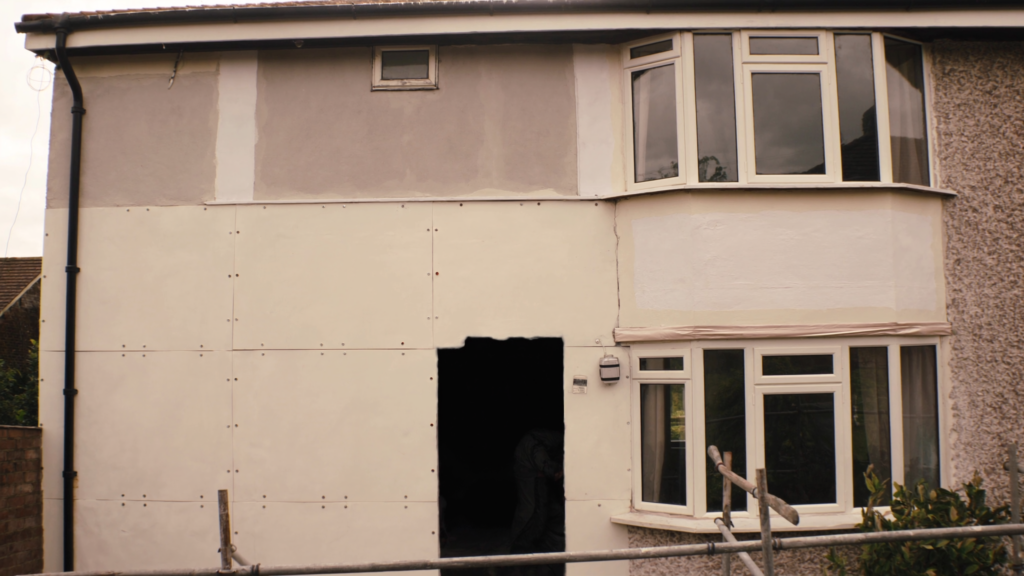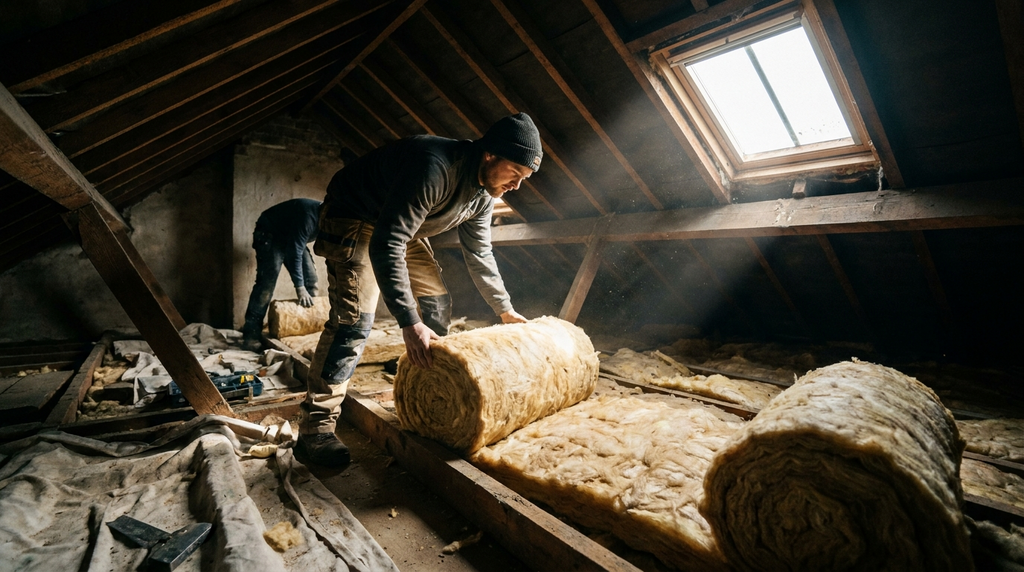
Average cost of a full thatched cottage eco retrofit in 2026
If you own a thatched cottage, you may be wondering whether an eco retrofit is possible without damaging the building’s character. The answer depends on the type of insulation, heating system, and ventilation you choose, as well as whether the property is listed.
A full thatched cottage eco retrofit costs £25,000–£45,000 in 2026 for a 3-bed property. Costs rise 15–20% for Grade II listed cottages due to specialist materials. Grants like ECO4 can reduce upfront costs by up to £10,000.
- Full retrofit costs £25,000–£45,000 for a 3-bed thatched cottage.
- Grade II listing adds 15–20% due to specialist materials and consent fees.
- Internal wall insulation is the priciest measure at £8,000–£15,000.
- Grants like ECO4 can cut upfront costs by up to £10,000.
- Breathable insulation is essential to avoid moisture damage in thatched walls.
- Average cost of a full thatched cottage eco retrofit in 2026
- Quick numbers, thatched cottage retrofit costs and savings
- Breathable insulation is non-negotiable for a thatched cottage
- How to insulate a thatched roof without damaging the thatch
- Best heating system for a thatched cottage, heat pump or biomass?
- Draught-proofing and secondary glazing for thatched windows
- Eligibility and certification for thatched cottage eco retrofit grants
- The direct answer to “Can I eco-retrofit my thatched cottage without losing its character?”
A comprehensive eco retrofit for a typical three-bedroom thatched cottage costs between £25,000 and £45,000 in 2026. This range covers internal wall insulation, loft insulation, heating upgrades, and draught-proofing (DESNZ, ECO4 Cost Guidance, 2026).
Grade II listed cottages typically cost 15–20% more due to the need for specialist materials and listed building consent fees. The single most expensive component is internal wall insulation, which averages £8,000–£15,000 for a three-bedroom cottage (Historic England, Energy Efficiency and Historic Buildings, 2026). The Great British Insulation Scheme closed on 31 March 2026. It funded insulation measures only and never covered windows or glazing.
Quick numbers, thatched cottage retrofit costs and savings
The table below shows typical costs, annual energy savings, and payback periods for common retrofit measures on a thatched cottage. Actual figures depend on your cottage size, heating system, and local installer rates.
| Retrofit measure | Typical cost (£) | Annual energy saving (£) | Payback period (years) |
|---|---|---|---|
| Loft insulation (breathable) | £500–£1,500 | £100–£200 | 3–10 |
| Internal wall insulation (lime-based) | £8,000–£15,000 | £250–£400 | 20–38 |
| Draught-proofing windows and doors | £150–£500 | £60–£100 | 2–6 |
| Secondary glazing (per window) | £200–£600 | £50–£80 | 4–10 |
| Air source heat pump | £7,000–£13,000 | £300–£600 | 12–25 |
| Solar PV (2–3 kW) | £4,000–£6,000 | £250–£400 | 10–20 |
Cost and savings data sourced from the Energy Saving Trust calculator (EST, 2026) and MCS heat pump savings data (MCS, 2026). Payback periods for internal wall insulation are longer for listed cottages due to higher installation costs.
Breathable insulation is non-negotiable for a thatched cottage
Thatch and solid walls must allow moisture to evaporate freely. If you trap moisture with non-breathable materials, rot and structural damage can occur within two to five years (Historic England, Insulating Your Timber-Framed or Thatched Building, 2026).
Use only vapour-permeable materials such as sheep’s wool, wood fibre boards, lime-based plasters, or cork. Standard mineral wool or foam board should not be used on solid walls or under thatch because they trap moisture (BRE, Breathability in Traditional Buildings, 2026).
Internal wall insulation is typically installed using lime plaster applied over wood fibre boards. External insulation is rarely permitted on listed cottages because it alters the external appearance.
How to insulate a thatched roof without damaging the thatch
Thatch must remain ventilated from above. You should never cover the underside of thatch with standard roof insulation, as this prevents air circulation and causes condensation (Thatched Owners Group, Insulating a Thatched Roof, 2026).
The safest approach is to insulate at ceiling level, that is, on the loft floor, using breathable insulation materials. The roof void above should remain open to the ridge to allow airflow. For a single-storey cottage with a vaulted ceiling, install a vapour-permeable sarking board and insulation between the rafters, leaving a 50mm air gap above the thatch (National Trust, Energy Efficiency in Historic Thatched Properties, 2026).
Costs vary: loft-level insulation typically costs £500–£1,500, while rafter-level insulation costs £3,000–£6,000.
Best heating system for a thatched cottage, heat pump or biomass?
Air source heat pumps are viable if your cottage has good insulation and low-temperature radiators or underfloor heating. The installation cost is £7,000–£13,000, reduced by the Boiler Upgrade Scheme (BUS) grant of £7,500 in 2026 (MCS, Heat Pump Installation Standards, 2026).
Biomass boilers (wood pellets or logs) are a common alternative for off-gas-grid cottages. They cost £5,000–£12,000 to install but require fuel storage and regular cleaning. Running costs for heat pumps are 30–40% lower than oil or LPG, but efficiency drops significantly if the cottage has poor airtightness (EST, Heating Systems for Older Homes, 2026).
If your cottage is poorly insulated, a heat pump may struggle to maintain comfort in very cold weather. Biomass may be more reliable in that scenario.
Draught-proofing and secondary glazing for thatched windows
Draught-proofing is the cheapest retrofit measure for a thatched cottage. It saves £60–£100 per year on heating bills (EST, Draught-Proofing, 2026). Use brush strips, silicone seals, or draught excluders, but do not seal the cottage so tightly that it stops breathing. Historic England advises maintaining some natural ventilation to prevent moisture buildup (Historic England, Window Energy Efficiency in Historic Buildings, 2026).
Secondary glazing costs £200–£600 per window and cuts heat loss by 50–60% without altering original frames. Do not install double glazing in listed thatched cottages without listed building consent, it is often refused because it changes the appearance of the windows.
Eligibility and certification for thatched cottage eco retrofit grants
Several grants are available in 2026 for thatched cottage retrofits. ECO4 is for low-income households and covers insulation and heating upgrades. The Great British Insulation Scheme closed on 31 March 2026. It funded insulation measures only and never covered windows or glazing. The Boiler Upgrade Scheme (BUS) provides £7,500 towards heat pump installation (GOV.UK, ECO4 Guidance for Installers, 2026).
The Great British Insulation Scheme closed on 31 March 2026. It funded insulation measures only and never covered windows or glazing.
All installers must be MCS-certified for heat pumps, TrustMark-registered for insulation, and Gas Safe registered for gas or biomass boilers. Use the Energy Saving Trust’s Home Energy Check tool to verify your property’s eligibility before contacting installers. Which eco retrofit grants are available in 2026?
The direct answer to “Can I eco-retrofit my thatched cottage without losing its character?”
Yes, but only with breathable materials, listed building consent if applicable, and a phased approach. You cannot achieve Passivhaus levels of airtightness in a thatched cottage; expect a 30–50% reduction in energy use, not 70–80% (Historic England, Energy Efficiency and Historic Buildings: A Guide for Owners, 2026).
Focus on draught-proofing, loft insulation, and secondary glazing first, these have the least visual impact. Internal wall insulation and heat pumps are possible but require specialist design and may reduce room space by 50–100mm per wall (DESNZ, Retrofit for Historic and Traditional Buildings, 2026).
The key trade-off is that your cottage will remain less airtight than a modern home. This is acceptable and even desirable for a breathable building, as long as you use appropriate materials and seek professional advice. What is a breathable building fabric and why does it matter?
Frequently Asked Questions
A comprehensive eco retrofit for a typical three-bedroom thatched cottage costs between £25,000 and £45,000 in 2026, according to DESNZ ECO4 Cost Guidance. This covers internal wall insulation, loft insulation, heating upgrades, and draught-proofing.
Yes, it is possible. The key is using breathable materials like lime-based insulation and avoiding external changes that alter the roof line. Historic England advises that a careful approach can improve energy efficiency while preserving character.
Internal wall insulation is the single most expensive component, averaging £8,000–£15,000 for a three-bedroom cottage (Historic England, 2026). Listed cottages often require specialist lime-based systems, increasing costs further.
Check GOV.UK for current eligibility criteria as of 2026.
Breathable loft insulation costs £500–£1,500 and saves £100–£200 per year on energy bills, according to the Energy Saving Trust. Payback is typically 3–10 years.