Solid stone walls lose up to 45% of heat in a typical Yorkshire cottage, external wall insulation costs £8,000–£18,000
Yorkshire stone cottages are beautiful but notoriously hard to heat. The solid stone walls, often 50–60cm thick, have no cavity, so standard cavity wall insulation cannot be used. Energy Saving Trust data shows that solid walls lose around 45% of all heat in a typical uninsulated stone cottage (Energy Saving Trust, 2026). That is the single biggest source of heat loss, far more than the roof or floor.
Insulating a Yorkshire stone cottage costs £4,000–£18,000, saving £200–£700 per year on heating. External wall insulation (EWI) is more effective but pricier than internal (IWI). Payback ranges from 10 to 40 years depending on your fuel type.
- External wall insulation costs £8,000–£18,000 for a 3-bed cottage.
- Internal wall insulation costs £4,000–£12,000 but reduces room size.
- Annual heating savings range from £200 to £700 after insulation.
- EWI payback takes 15–40 years; IWI payback takes 10–25 years.
- Solid stone walls lose 45% of heat without insulation (Energy Saving Trust).
- Solid stone walls lose up to 45% of heat in a typical Yorkshire cottage, external wall insulation costs £8,000–£18,000
- The annual heating bill saving for a solid stone cottage is £200–£700 after insulation
- Quick numbers, key costs, savings, and U-values for Yorkshire stone cottage insulation
- Internal wall insulation is the most common choice for listed stone cottages, and it requires a breathable system
- The direct answer to "how much does Yorkshire stone cottage insulation cost", £4,000 to £18,000 depending on method and size
- Installers must hold MCS certification for solid wall insulation, and TrustMark registration for consumer protection
- Grants and schemes can cover 50–100% of insulation costs for eligible Yorkshire stone cottage owners
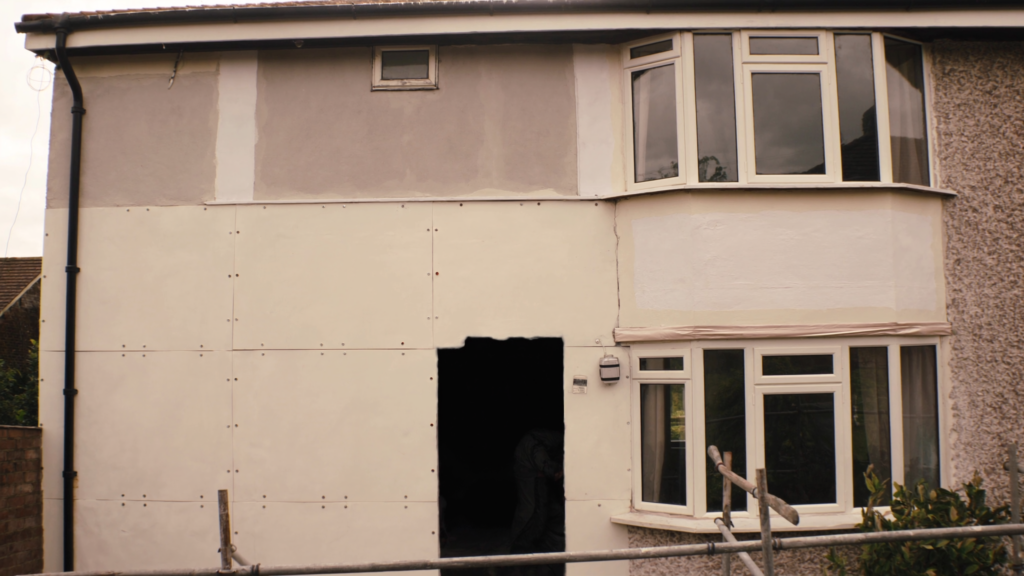
The two main solutions are external wall insulation (EWI) and internal wall insulation (IWI). EWI costs £8,000–£18,000 for a typical 3-bedroom Yorkshire stone cottage, depending on wall area, finish, and scaffold access (Energy Saving Trust, 2026). IWI is cheaper at £4,000–£12,000 but reduces room size by 50–100mm per wall and can cause condensation issues if not installed correctly.
The annual heating bill saving for a solid stone cottage is £200–£700 after insulation
A typical uninsulated solid-walled cottage uses 15,000–20,000 kWh annually for heating, based on Ofgem typical domestic consumption values for a 3-bedroom home (Ofgem, 2026). Installing EWI reduces heat loss by 60–70%, cutting annual heating costs by £300–£700 depending on fuel type (Energy Saving Trust, 2026). IWI reduces heat loss by 50–60%, saving £200–£500 per year.
The payback period is long. Based on current energy prices, EWI takes 15–40 years to pay for itself through savings, while IWI takes 10–25 years (DESNZ, 2026). These figures assume gas heating. If you use electric heating or oil, savings are higher and payback shorter.
Quick numbers, key costs, savings, and U-values for Yorkshire stone cottage insulation
| Insulation type | Cost range (£) | Annual saving range (£) | Final U-value (W/m²K) | Payback range (years) |
|---|---|---|---|---|
| External wall insulation | 8,000–18,000 | 300–700 | 0.30–0.35 | 15–40 |
| Internal wall insulation | 4,000–12,000 | 200–500 | 0.35–0.45 | 10–25 |
| Roof insulation (top floor ceiling) | 1,500–4,000 | 150–300 | 0.16–0.20 | 5–15 |
| Floor insulation (suspended timber) | 1,500–5,000 | 50–150 | 0.25–0.35 | 10–35 |
U-values come from Building Regulations Approved Document L1B, 2026 edition (GOV.UK, 2026). Cost ranges are from Energy Saving Trust survey data (Energy Saving Trust, 2026).
Internal wall insulation is the most common choice for listed stone cottages, and it requires a breathable system
Many Yorkshire stone cottages are listed or sit in conservation areas. External wall insulation changes the external appearance, so it usually requires planning permission and listed building consent. Historic England advises that EWI is rarely appropriate for listed buildings (Historic England, 2026). IWI is the default option in these cases.
Internal wall insulation for stone cottages must use vapour-permeable materials such as wood fibre, calcium silicate, or lime-based insulation. These allow moisture to pass through the wall rather than becoming trapped. Closed-cell foam or PIR boards are a common mistake, they create a vapour barrier that causes condensation and rot within the stonework (Historic England, 2026).
A typical IWI system costs £80–£120 per m² installed, including plaster finish (Energy Saving Trust, 2026). For a 100m² cottage, that is £8,000–£12,000. The room size shrinks by 50–100mm per wall, which can lose 5–10m² of floor space in a small cottage.
£4,000 to £18,000 depending on method and size
For a typical 100m² external wall area on a 3-bedroom cottage, EWI costs £10,000–£18,000 installed (Energy Saving Trust, 2026). IWI for the same area costs £4,000–£12,000 installed, but reduces floor area by 5–10m². Roof insulation (top floor ceiling) costs £1,500–£4,000 for a typical cottage, saving £150–£300 annually (Energy Saving Trust, 2026). Floor insulation (suspended timber ground floor) costs £1,500–£5,000, saving £50–£150 annually (Energy Saving Trust, 2026).
The total cost for a full insulation package, EWI, roof, and floor, can reach £20,000–£27,000. Most owners start with the walls, as that is where 45% of heat is lost. how to choose between EWI and IWI for solid stone walls
Installers must hold MCS certification for solid wall insulation, and TrustMark registration for consumer protection
MCS (Microgeneration Certification Scheme) certification is required for any solid wall insulation installed under the Great British Insulation Scheme or ECO4 (Ofgem, 2026). TrustMark registration is the government-endorsed quality scheme for home insulation work. You can check the TrustMark website for registered installers (GOV.UK, 2026).
For listed cottages, the installer must also have experience with breathable systems and lime-based materials. Ask for references from similar projects. The Energy Performance Certificate (EPC) after insulation should show an improvement of at least 15–30 SAP points for a solid-walled cottage (DESNZ, 2026).
Grants and schemes can cover 50–100% of insulation costs for eligible Yorkshire stone cottage owners
The Great British Insulation Scheme closed on 31 March 2026. It funded insulation measures only and never covered windows or glazing. ECO4 (Energy Company Obligation) funds solid wall insulation for eligible households, check eligibility via your energy supplier (Ofgem, 2026).
Local authority energy efficiency grants in Yorkshire, including North Yorkshire, West Yorkshire, and South Yorkshire, may offer top-up funding for listed buildings. Check your individual council website for current schemes. These grants can cover 50–100% of costs, but eligibility is strict. how to apply for ECO4 solid wall insulation funding
Frequently Asked Questions
Yes, but not with cavity wall insulation. Solid stone walls require external wall insulation (EWI) or internal wall insulation (IWI). The Energy Saving Trust confirms both options are effective for solid-walled homes.
External wall insulation costs £8,000–£18,000 for a typical 3-bedroom Yorkshire stone cottage, according to Energy Saving Trust (2026). Costs vary with wall area, finish, and scaffold access.
External wall insulation saves £300–£700 per year, while internal wall insulation saves £200–£500 per year, based on Energy Saving Trust data (2026). Savings depend on fuel type and existing heat loss.
External wall insulation has a payback of 15–40 years, and internal wall insulation 10–25 years, per DESNZ (2026). Payback is shorter with electric or oil heating.