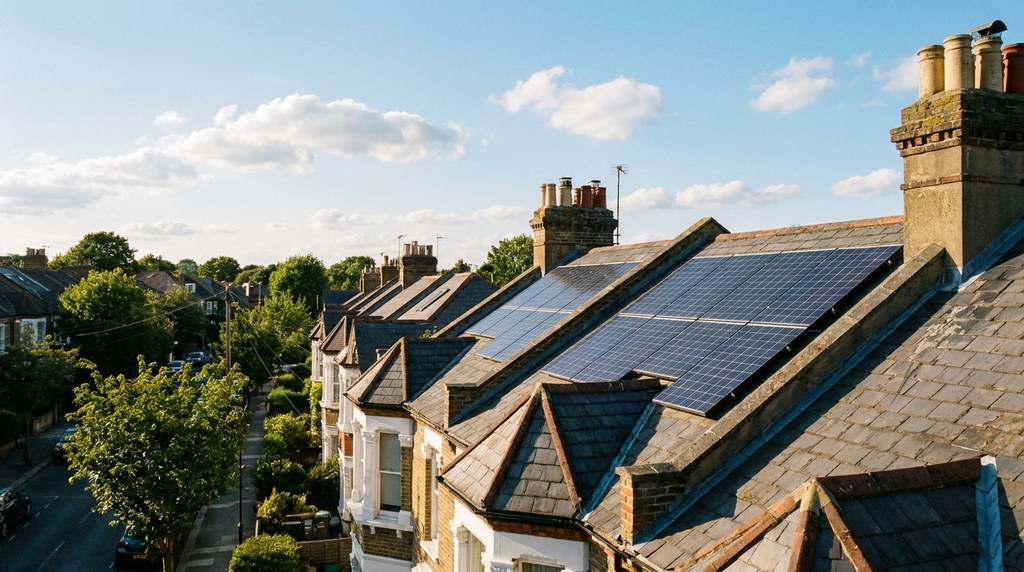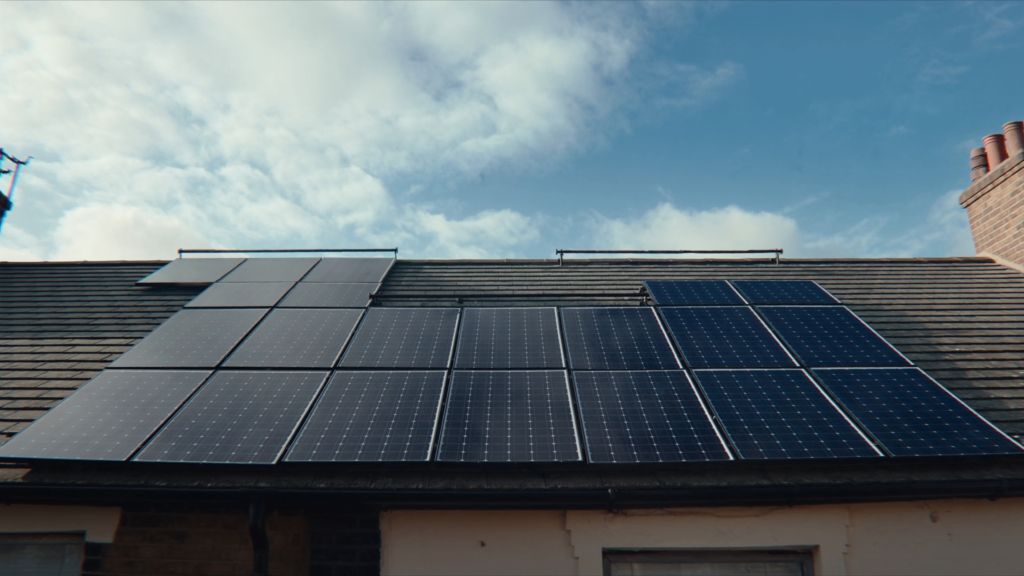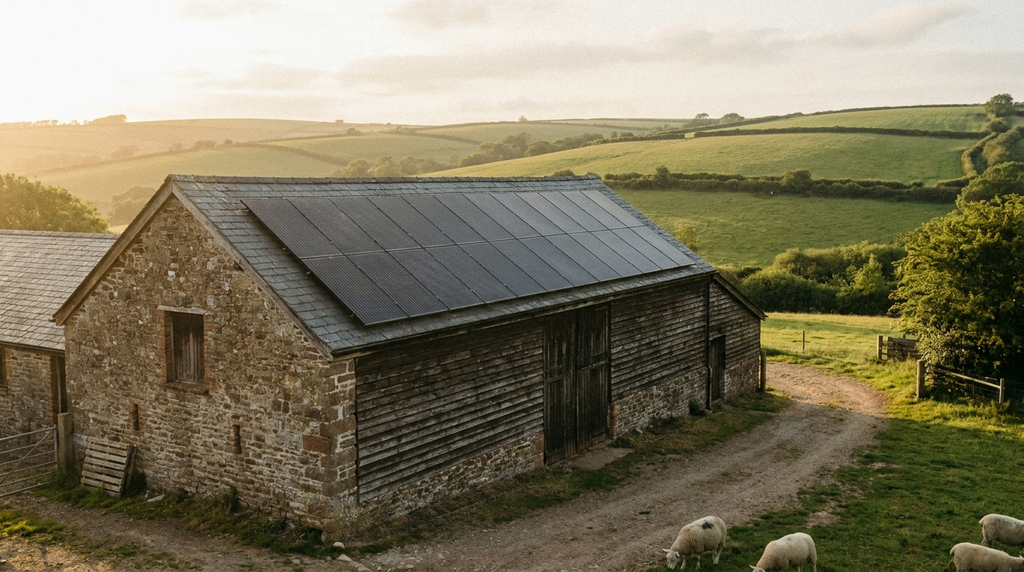
The short answer is no: for most UK homeowners, solar panels are not a waste of money, with a typical 3.5kWp system saving around £500–£700 annually on electricity bills (Energy Saving Trust, 2026).
The key variable is your home’s suitability. Panels work best on south-facing roofs with little or no shading. If your roof faces north or is heavily shaded, savings drop significantly. Solar panels also rely on daylight, not direct sunlight, so they still generate in cloudy conditions, just at reduced output. The financial case is strongest for homes where you use electricity during daylight hours, as you avoid buying from the grid at current rates of around 27p/kWh (Ofgem, 2026).
Typical payback period is 10 to 15 years
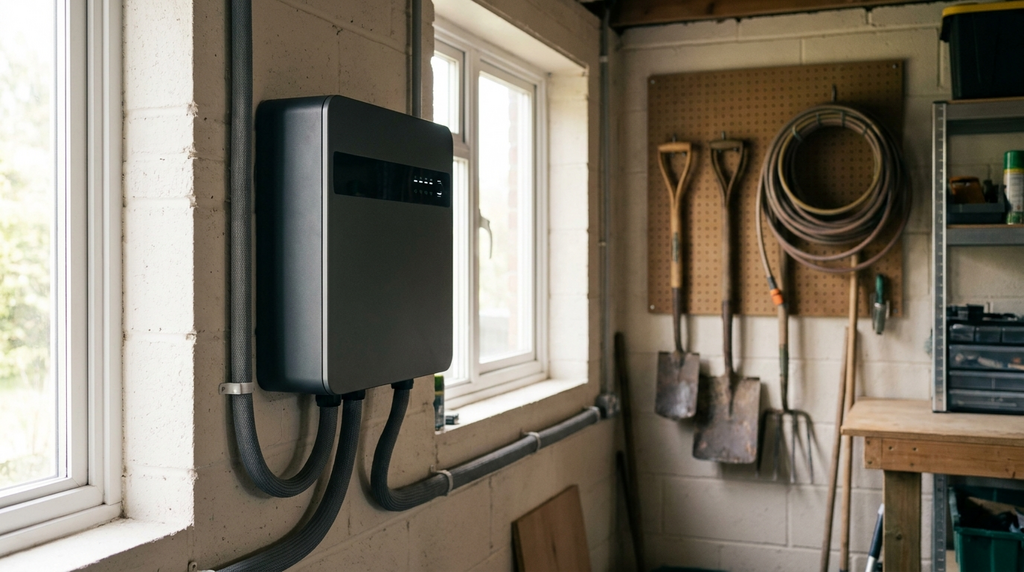
A 3.5kWp system costs roughly £5,000–£7,000 installed, including VAT at 0% under the current energy-saving materials relief (GOV.UK, 2026). With annual savings of £500–£700, the payback period falls between 10 and 15 years. If you use a battery storage system, you can store excess generation for evening use, raising savings to around £800–£1,000 per year and shortening payback to 8–12 years. Most panels carry a 25-year performance warranty, so you will typically see net savings after the payback period (MCS, 2026).
Grants and smart export guarantee boost returns
The Smart Export Guarantee (SEG) pays you for electricity you export to the grid. Typical rates range from 4p to 15p per kWh depending on your supplier (Ofgem, 2026). A 3.5kWp system exporting around 1,500 kWh per year could earn £60–£225 annually. The Great British Insulation Scheme closed on 31 March 2026. It funded insulation measures only and never covered windows or glazing.
When solar panels can be a poor investment
If you plan to move home within five years, the upfront cost may not be recouped. While solar panels can add around 1–4% to a property’s value, the buyer may not pay a premium equal to the installation cost (ONS, 2026). Panels on a north-facing roof or one heavily shaded by trees or buildings will generate less than half the potential output, making payback exceed 20 years. Lastly, if your roof needs replacing within five years, installation costs rise significantly because panels must be removed and refitted, check your roof condition first.
A worked example
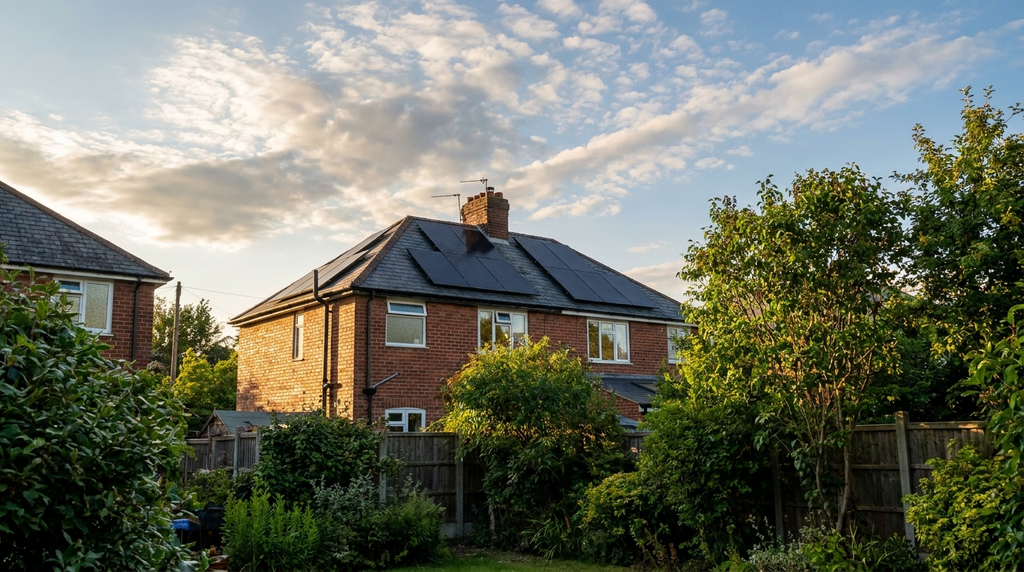
For a typical 1930s semi-detached house in Manchester, a 3.5kWp solar panel system with a 5kWh battery is not a waste of money, saving around £950 per year on electricity bills. This specific scenario uses a south-facing roof with minimal shading and assumes the household uses 4,200 kWh of electricity annually, with half consumed during daylight hours. The upfront cost after the 0% VAT relief (in place until March 2027) is roughly £9,500, though no BUS grant applies here as that is for heat pumps. The payback period is around 10 years, leaving 15 years of the 25-year MCS-certified performance warranty for net savings. Total savings over 25 years, factoring in the Smart Export Guarantee at roughly 15p per kWh exported, come to approximately £14,250 according to the Energy Saving Trust. The battery is key: without it, savings drop to £600 per year and payback stretches to 16 years.
| Item | Figure |
|---|---|
| Upfront cost after grants | £9,500 |
| Yearly savings | £950 |
| Payback period | 10 years |
| 25-year lifetime savings | £14,250 |
What homeowners often get wrong
The most common mistake is assuming solar panels are useless without direct sunlight, which leads to missed savings on overcast days. Here are the three biggest misconceptions that cost UK homeowners money.
- Panels stop working in winter They still generate on cloudy days at roughly 10-20% of summer peak output, saving £50-£100 over the darker months. Ignoring this means you overpay for grid electricity at 27p/kWh when your panels are silently cutting your bill.
- Batteries are always worth it A battery adds £2,000-£3,000 to the system cost and only pays back if you use over 60% of your generation at home. If you are out all day and export most power, the extra expense can turn a 10-year payback into a 15-year one, wasting your upfront investment.
- All roof orientations work the same A north-facing roof cuts generation by roughly 30% compared to south-facing, adding 4-6 years to payback. Installing panels on a poor aspect without checking your roof’s suitability first can turn a £5,000 investment into a net loss over 15 years, voiding any financial benefit from the Smart Export Guarantee.
Quick reference
- A 3.5kWp system on a south-facing roof in the UK generates roughly 3,000 kWh per year, enough to cover 70% of a typical household’s electricity use.
- Savings from solar panels are highest when you use electricity during the day, as you avoid buying from the grid at the current rate of 27p per kWh (Ofgem, 2026).
- You qualify for the 0% VAT rate on solar panels until March 2027, saving £350-£500 on a typical installation (GOV.UK, 2026).
- Payback on a solar-only system is 10-15 years, but adding a battery can shorten this to 8-12 years if you use over 60% of your generation at home.
- Installing panels on a heavily shaded roof can cut generation by up to 50%, turning a profitable investment into a wasted £5,000 outlay over a 15-year period.
Frequently Asked Questions
Yes, solar panels generate electricity from daylight, not direct sunlight. According to the Energy Saving Trust, output is reduced on cloudy days but still contributes to savings.
Most solar panels carry a 25-year performance warranty (MCS, 2026). They typically continue generating at reduced efficiency beyond that period.
Typical SEG rates range from 4p to 15p per kWh depending on your supplier (Ofgem, 2026). Rates vary, so compare offers to maximise export income.