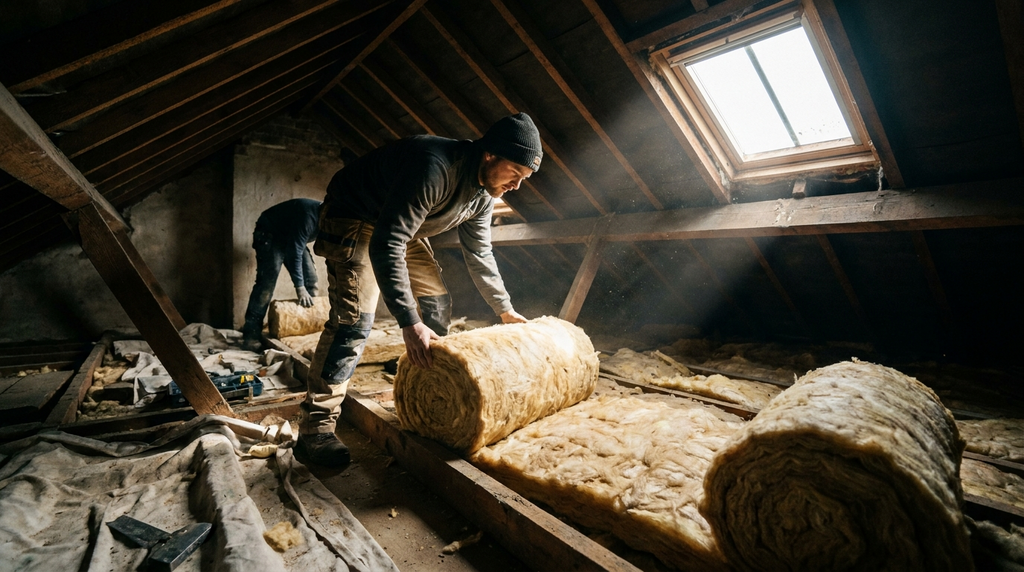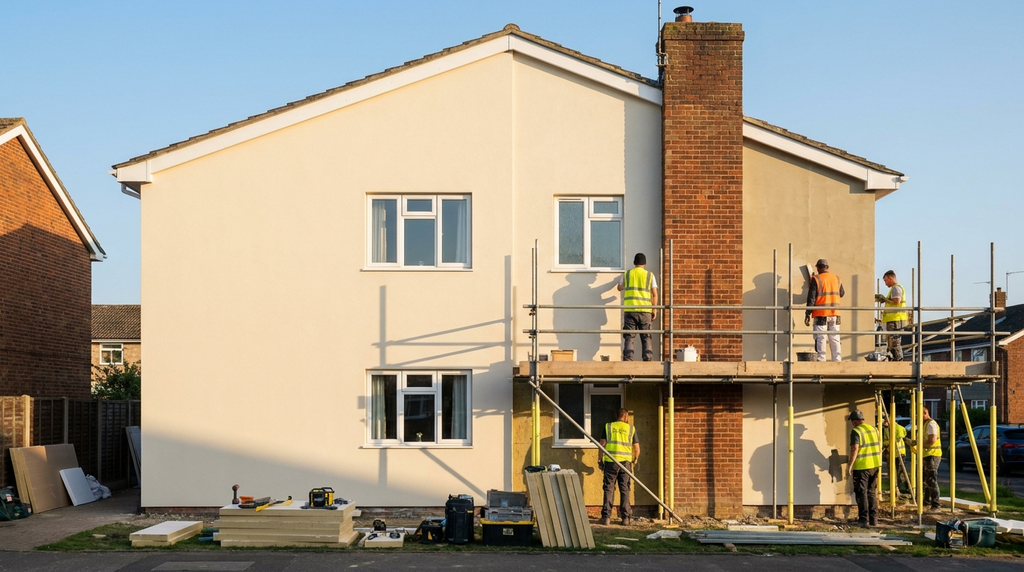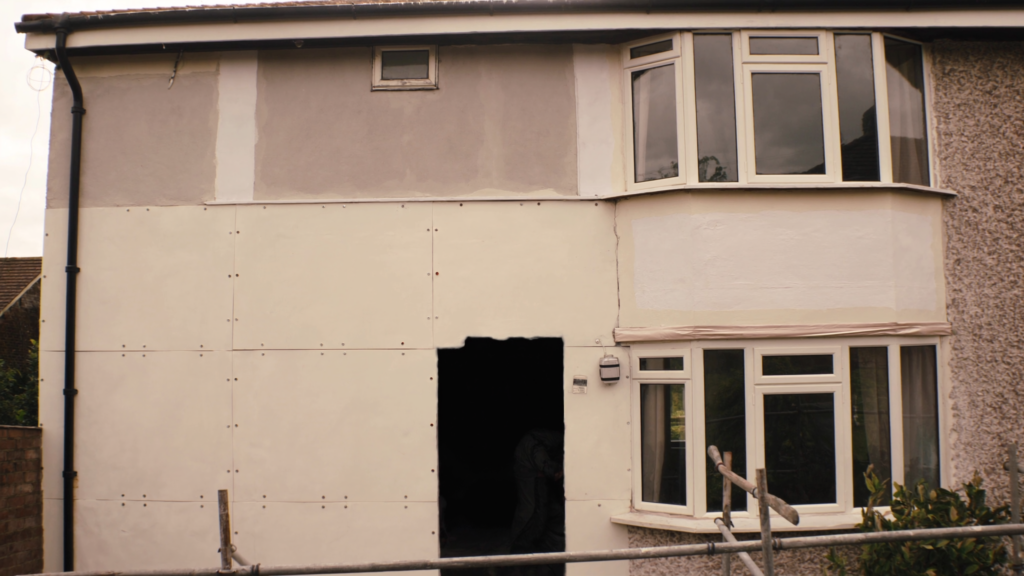
Cavity wall insulation has a predictable lifespan, not an indefinite one
Cavity wall insulation is built to last for decades, but it does not last forever. Industry guidance from the Cavity Insulation Guarantee Agency (CIGA) and the National Insulation Association (NIA) states that properly installed cavity wall insulation should last at least 25 years, with many systems performing effectively for 40+ years (CIGA, 2026). The 25-year CIGA guarantee is the standard benchmark for homeowners. After this point, performance may begin to degrade.
No, cavity wall insulation does not last forever. Properly installed systems typically last 25-40 years, with a 25-year CIGA guarantee as the standard benchmark. After this period, inspect for moisture ingress or settlement that can reduce performance.
- Cavity wall insulation lasts 25-40 years on average.
- CIGA guarantees insulation for 25 years as a minimum.
- Moisture ingress can cut thermal performance by 50%.
- Material settlement leaves cold spots at cavity tops.
- Plan inspection after 25 years to check for degradation.
- Cavity wall insulation has a predictable lifespan, not an indefinite one
- The two main failure modes that shorten insulation life
- Quick numbers lifespan, cost, and savings compared
- The direct answer does cavity wall insulation last forever? No – here’s the plain-English explanation
- How to check if your existing cavity wall insulation is still working
- Certification and installer verification – what to look for when inspecting or replacing
- When replacement becomes necessary – and what it costs
- The role of building regulations and future-proofing
No insulation material lasts forever. Factors like moisture ingress, settlement, and installation quality determine actual longevity. The key takeaway for you is to expect 25–40 years of reliable performance, then plan for inspection or replacement.
The two main failure modes that shorten insulation life
Moisture penetration is the primary cause of failure. If the outer leaf of the wall is not weathertight, insulation can become saturated, reducing its thermal performance by up to 50% (BRE report on cavity wall insulation performance, 2026). This is not a fault of the insulation itself but of the building fabric allowing water into the cavity.
Material settlement over time is the second main risk. This is particularly common with mineral wool or polystyrene beads, which can slump, leaving voids at the top of the cavity and creating cold spots. Poor installation – gaps, incomplete fills, or incorrect material choice for the property type – accounts for many premature failures (MCS installer standards, 2026). Insulation does not simply wear out; it fails when water or gaps compromise it.
Quick numbers lifespan, cost, and savings compared
| Material type | Typical lifespan | Installation cost per m² (2026) | Annual energy saving (semi-detached) | Payback period (years) |
|---|---|---|---|---|
| Mineral wool | 25–40 years | £12–£18 | £160–£220 | 4–6 |
| EPS beads | 30–50 years | £15–£22 | £180–£250 | 4–6 |
| Polyurethane foam | 25–40 years | £20–£30 | £190–£260 | 5–7 |
| PIR board (rigid) | 40+ years | £25–£35 | £200–£280 | 6–8 |
Cost and savings figures are from the Energy Saving Trust cost guide and savings calculator, updated for 2026 (Energy Saving Trust, 2026). Savings assume a typical semi-detached home with gas central heating.
The direct answer does cavity wall insulation last forever? No – here’s the plain-English explanation
Cavity wall insulation does not last forever. It is a durable but finite home improvement with a typical effective lifespan of 25–40 years under normal conditions. After this period, the material may settle, absorb moisture, or lose thermal efficiency, requiring inspection and potentially replacement.
Homeowners should check the CIGA guarantee date on their property. If it has expired, plan a professional cavity wall survey (CIGA guidance, 2026). The guarantee is your primary benchmark for when to start monitoring performance.
How to check if your existing cavity wall insulation is still working
Look for signs of failure. Damp patches on internal walls, mould growth near external walls, or noticeably higher heating bills compared to neighbours with similar homes can all indicate problems (Energy Saving Trust home energy advice, 2026).
A professional thermal imaging survey by a certified surveyor (such as a BINDT-accredited professional) can identify cold spots or moisture in the cavity. The CIGA guarantee database at www.ciga.co.uk allows you to check if your property has a valid guarantee and when the insulation was installed. Your simple checklist is: inspect for damp, check your bills, and verify the guarantee.
Certification and installer verification – what to look for when inspecting or replacing
For new installations or replacement, the installer must be MCS-certified (Microgeneration Certification Scheme) and registered with CIGA to provide the 25-year guarantee (MCS website, 2026; CIGA installer register, 2026). For inspection or removal, hire a surveyor or contractor accredited by TrustMark or a recognised trade body like the National Insulation Association (NIA).
If your property has a gas boiler, the installer must also be Gas Safe registered if any work affects the heating system – though this is rare for cavity wall work alone. Your clear checklist is: MCS and CIGA for a new fit, TrustMark or NIA for inspection, and always check the guarantee certificate.
how to choose a cavity wall insulation installer
When replacement becomes necessary – and what it costs
Replacement is typically needed when insulation fails due to moisture or settlement, or when the property undergoes major wall renovations such as cladding removal or repointing. The cost of removal and re-installation in 2026 ranges from £1,200 to £2,500 for a typical semi-detached home, depending on the material and access (Energy Saving Trust cost guide, 2026; NIA installer quotes, 2026).
Replacing with a modern material – such as EPS beads or rigid PIR board – can improve thermal performance and extend lifespan to 40+ years. This is a one-off cost that restores energy savings and protects the property from damp.
The role of building regulations and future-proofing
Current Building Regulations (Part L, 2021 edition, updated for 2026) require a minimum U-value of 0.30 W/m²K for cavity walls in new-build and retrofit work (GOV.UK approved document L, 2026). Older insulation may not meet this standard. A U-value measures how easily heat passes through a wall – the lower the number, the better the insulation.
Homeowners considering replacement should ensure the new insulation achieves at least this U-value to comply and maximise future energy efficiency. Replacing old insulation fixes failure. It is an opportunity to meet modern standards and reduce energy bills further.
cavity wall insulation and building regulations compliance
Frequently Asked Questions
Properly installed cavity wall insulation lasts at least 25 years, with many systems performing for 40+ years according to CIGA (2026). Lifespan depends on material type, installation quality, and building condition.
Yes, cavity wall insulation may need replacing after 25-40 years if performance drops. Signs include damp patches, higher energy bills, or cold spots. CIGA guarantees cover replacement for failures within 25 years.
Moisture penetration and material settlement are the main failure causes. A BRE report (2026) shows saturated insulation can lose up to 50% of its thermal performance. Poor installation also leads to premature failure.
EPS beads can last 30-50 years, according to NIA guidance (2026). Other materials like mineral wool and polyurethane foam typically last 25-40 years. Longevity depends on dry cavity conditions and quality installation.
No, cavity wall insulation is not guaranteed for life. CIGA offers a 25-year guarantee as the industry standard. After that, performance may degrade, and you should plan for inspection or replacement.