Solar panels generate direct current (DC) electricity, not alternating current (AC). A standard residential solar panel produces DC power at a voltage typically between 30V and 40V per panel (Energy Saving Trust, 2026). This DC output must be converted to AC for use in UK homes and the National Grid.
The answer depends on where the electricity is measured. At the panel itself, it is always DC. After passing through an inverter, the electricity becomes AC. Most UK homes use AC appliances, so the conversion is essential. Off-grid systems may run some DC appliances directly, but grid-connected homes almost always require AC.
Solar panels produce DC electricity at source
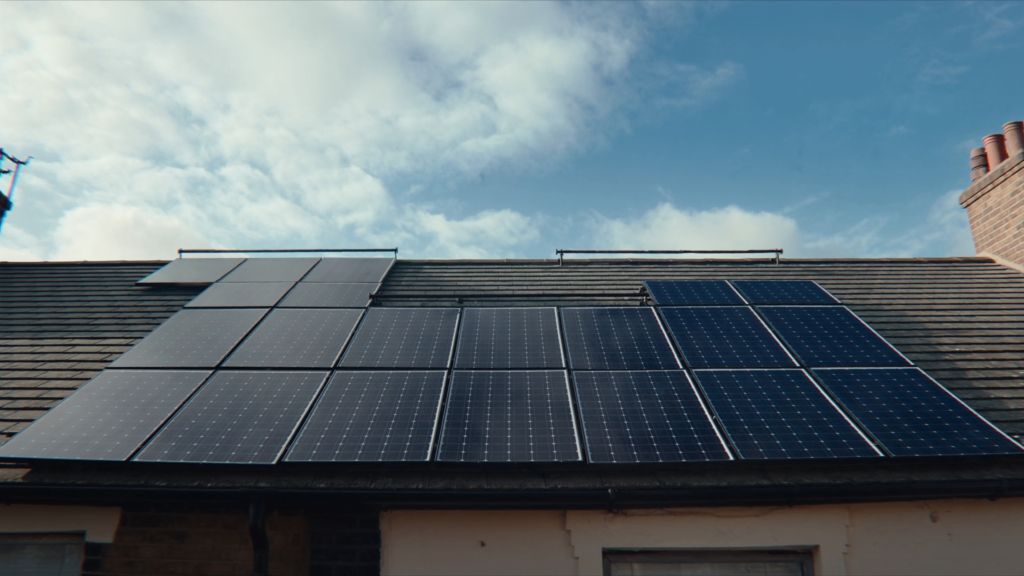
Each photovoltaic cell in a solar panel creates a DC voltage when sunlight hits it. This is because the cell’s semiconductor material allows electrons to flow in one direction only. A typical 350W panel outputs around 35V DC under standard test conditions (MCS Certified, 2026). Multiple panels are wired in series to increase voltage, forming a string that feeds into an inverter. The DC output is unidirectional, meaning current flows from the panel to the inverter without reversing polarity.
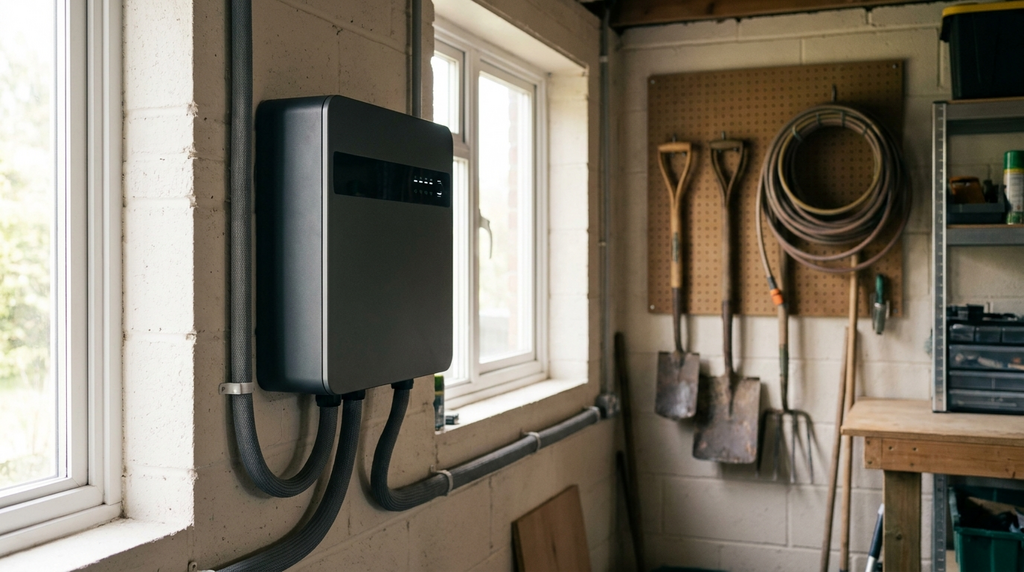
An inverter converts DC to AC for home use
UK homes run on 230V AC electricity at 50Hz. The inverter takes the DC power from the solar panels and electronically switches it back and forth to create AC. Modern string inverters achieve conversion efficiencies of 96-98% (GOV.UK, 2026). Without this conversion, solar power could not power standard household appliances like lights, fridges, or televisions. The inverter also synchronises the AC output with the grid frequency for export.
Some systems use DC for specific purposes
DC-coupled battery storage systems keep electricity as DC until it reaches the battery, avoiding multiple conversions. This can improve round-trip efficiency by 3-5% compared to AC-coupled systems (Energy Saving Trust, 2026). Also, some off-grid setups use DC appliances such as LED lights or water pumps to eliminate inverter losses. However, for the vast majority of UK grid-connected homes, the solar array outputs DC, and an inverter converts it to AC for immediate use or export.
A worked example
A typical 3.5kWp solar panel system on a 1930s semi-detached house in Manchester generates DC electricity at around 35V per panel, requiring a 3.6kW string inverter to convert it to 230V AC for home use. At 2025 prices, this system costs approximately £6,500 before grants, but the 0% VAT reduction (until March 2027) brings it to about £6,175, and a typical household saves £480 per year on electricity bills according to the Energy Saving Trust. The inverter itself achieves 97% efficiency, meaning only 3% of the DC power is lost during conversion. With the Smart Export Guarantee paying roughly £120 annually for surplus AC electricity exported to the grid, total yearly benefit reaches £600, delivering a payback period of just over 10 years and estimated lifetime savings of £15,000 over 25 years.
| Item | Figure |
|---|---|
| Upfront cost after grants | £6,175 |
| Yearly savings | £600 |
| Payback period | 10.3 years |
| 25-year lifetime savings | £15,000 |
What homeowners often get wrong
The most common mistake is assuming solar panels produce AC electricity like the grid, when in fact every panel generates DC power that must be converted. Here are three frequent misunderstandings that can cost you money or void your warranty.
- Confusing panel output with household supply Many homeowners think panels run their appliances directly, but UK homes use 230V AC while panels produce 35V DC, plugging a DC panel into an AC socket would destroy both the appliance and the inverter, costing over £1,000 in repairs.
- Believing all inverters are the same People often buy a cheap inverter without checking if it handles DC-to-AC conversion properly, but a mismatched inverter can waste 10% of your power and void your MCS certification, making you ineligible for the Smart Export Guarantee and losing £120 per year.
- Thinking off-grid means no inverter needed Some assume off-grid systems can skip the inverter entirely, but most off-grid homes still require one for standard 230V AC appliances, running DC-only circuits means buying specialised 12V fridges and lights, which cost 40% more than standard models and limit your appliance choices.
Quick reference
- Solar panels always produce DC electricity at 30-40V per panel, never AC, and this must be converted by an inverter for UK home use.
- A standard string inverter converts DC to 230V AC at 96-98% efficiency, with the 2-4% loss being normal and unavoidable.
- You qualify for 0% VAT on solar panel installations until March 2027, saving roughly 20% on the inverter and installation costs.
- The average 3.5kWp system saves £480 per year on electricity bills plus £120 from the Smart Export Guarantee, totalling £600 annually.
- Never connect a solar panel directly to a household AC socket, this creates a fire risk and voids your home insurance immediately.
Frequently Asked Questions
Solar panels produce DC (direct current) electricity. According to the Energy Saving Trust (2026), each panel outputs between 30V and 40V DC.
Solar panels need an inverter because UK homes run on 230V AC electricity. The inverter converts the DC output from panels into AC for home use and the National Grid.
Yes, off-grid systems can run some DC appliances directly from solar panels. However, grid-connected UK homes almost always require AC conversion via an inverter.