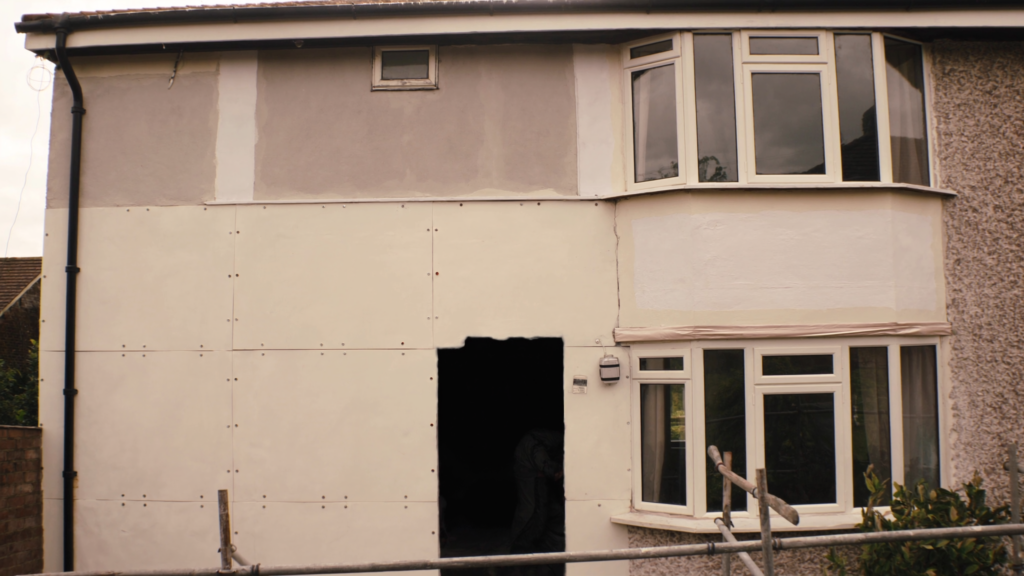
The Warm Homes Plan 2026 offers up to £7,500 in insulation grants for UK homeowners
The UK government allocated £6.6 billion for the Warm Homes Plan (2025–2028), as announced by the Department for Energy Security and Net Zero (DESNZ) in a 2025 press release (DESNZ, 2025). This includes specific funding for insulation grants. The grants cover cavity wall insulation, solid wall insulation, loft insulation, and underfloor insulation, with a maximum of £7,500 per eligible household.
Eligibility is based on household income (below £36,000 per year) and the property’s Energy Performance Certificate (EPC) rating (D or below), as per the DESNZ eligibility criteria published on GOV.UK (DESNZ, 2026). The grant is processed through the Energy Company Obligation (ECO) scheme, administered by Ofgem, meaning homeowners apply via their energy supplier.
How the Warm Homes Plan insulation grant differs from ECO4 and the Great British Insulation Scheme
ECO4 (Energy Company Obligation) runs until March 2026 and is for low-income households, while the Warm Homes Plan is a separate, broader scheme starting in 2026 with a higher total budget. The Great British Insulation Scheme (GBIS) is a smaller, shorter-term programme (2023–2026) focusing on low-cost measures; the Warm Homes Plan replaces it for 2026 onwards.
Key difference: Warm Homes Plan grants are not limited to energy suppliers’ existing customers, any eligible homeowner can apply through a registered installer, as per the DESNZ scheme guidance (DESNZ, 2026). The Warm Homes Plan also includes a higher grant cap (£7,500) compared to ECO4’s typical maximum of £5,000 for insulation measures, according to Ofgem data (Ofgem, 2026).
Quick numbers insulation grant amounts and savings under the Warm Homes Plan
| Insulation type | Typical grant amount | Estimated annual energy savings | Typical payback period |
|---|---|---|---|
| Cavity wall | £1,500–£2,500 | £200–£300 | 3–5 years |
| Solid wall | £4,000–£7,500 | £300–£400 | 5–7 years |
| Loft | £500–£1,500 | £150–£250 | 3–4 years |
| Underfloor | £1,000–£2,000 | £100–£200 | 4–6 years |
Grant amounts are sourced from DESNZ’s Warm Homes Plan funding breakdown (GOV.UK, 2026). Savings figures come from the Energy Saving Trust’s “Insulation Savings Guide” (Energy Saving Trust, 2026). Payback periods are derived from these figures and vary by property size and heating system.
Which insulation type is most cost-effective for your home under the Warm Homes Plan?
Cavity wall insulation is best for homes built after 1920 with unfilled cavities; typical U-value improvement from 1.5 to 0.3 W/m²K (Energy Saving Trust, 2026). The grant covers up to £2,500 for this measure.
Solid wall insulation is more expensive but higher impact for pre-1920 homes; U-value can drop from 2.1 to 0.3 W/m²K (internal) or 0.35 W/m²K (external). The grant covers up to £7,500.
Loft insulation is the lowest cost per square metre; typical U-value from 0.5 to 0.16 W/m²K at 270mm depth. The grant covers up to £1,500.
Underfloor insulation works best for homes with suspended timber floors; U-value from 1.2 to 0.25 W/m²K. The grant covers up to £2,000.
Decision factor: choose based on your home’s age, current EPC rating, and the grant cap for each measure. Guide to home insulation types
Who qualifies for the Warm Homes Plan insulation grant in 2026?
Primary eligibility: household income below £36,000 per year, as per the DESNZ income threshold confirmed in 2026 guidance (DESNZ, 2026). Secondary eligibility: the property must have an EPC rating of D, E, F, or G, verifiable on the EPC register via GOV.UK.
Tenure: owner-occupiers and private tenants (with landlord permission) are eligible; social housing tenants are covered under separate schemes. Exceptions: homes with existing insulation in poor condition may still qualify if a survey shows need, according to MCS installer standards (MCS, 2026).
How to verify an installer and ensure your grant is processed correctly
Installers must be MCS (Microgeneration Certification Scheme) certified for insulation work, as required by the Warm Homes Plan rules (MCS register, 2026). TrustMark registration is also mandatory for all grant-funded work (TrustMark, 2026). This ensures quality and consumer protection.
Energy suppliers (e.g., British Gas, E.ON, Octopus) are the grant administrators; you apply through them, but they subcontract to MCS-certified installers. Check the installer’s MCS certificate number on the MCS register before work begins; if not listed, the grant will be invalid. How to check an MCS installer
The direct answer how to apply for the Warm Homes Plan insulation grant in 2026
Step 1: check your eligibility online using the government’s Warm Homes Plan eligibility checker on GOV.UK. Step 2: contact your energy supplier (or any if you’re not a customer) to request an application; they will arrange a free home survey.
Step 3: the surveyor (MCS-certified) assesses your property and recommends which insulation measure qualifies under the grant. Step 4: the installer quotes the work; the grant covers the full cost up to £7,500, with no upfront payment required. Step 5: work is completed and inspected; the supplier claims the grant from Ofgem on your behalf.
Source: DESNZ’s “How to Apply for the Warm Homes Plan” guide (GOV.UK, 2026).
Frequently Asked Questions
Up to £7,500 per eligible household, depending on insulation type. Solid wall insulation grants are the highest at £4,000–£7,500, as confirmed by DESNZ guidance (DESNZ, 2026).
Households with an annual income below £36,000 and a property EPC rating of D or below. Eligibility criteria are published by DESNZ on GOV.UK (DESNZ, 2026).
Warm Homes Plan offers a higher grant cap (£7,500) than ECO4 (typically £5,000), and is open to any eligible homeowner through a registered installer, not limited to energy supplier customers (Ofgem, 2026).
Apply through a registered installer, not your energy supplier. The scheme is administered by Ofgem under the ECO framework, as per DESNZ guidance (DESNZ, 2026).
Cavity wall, solid wall, loft, and underfloor insulation are all covered. Grant amounts vary by type, with solid wall receiving the highest funding (DESNZ, 2026).