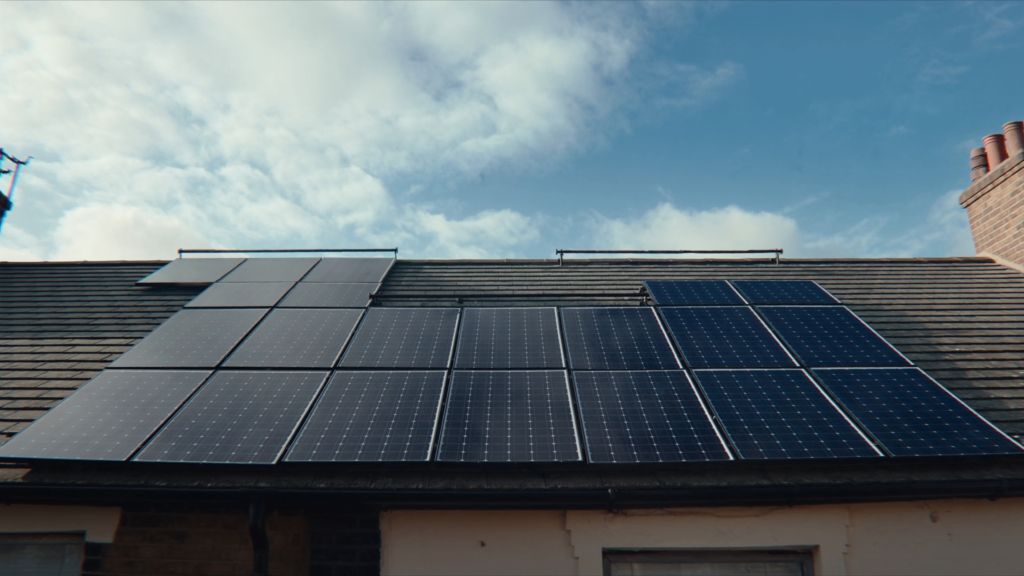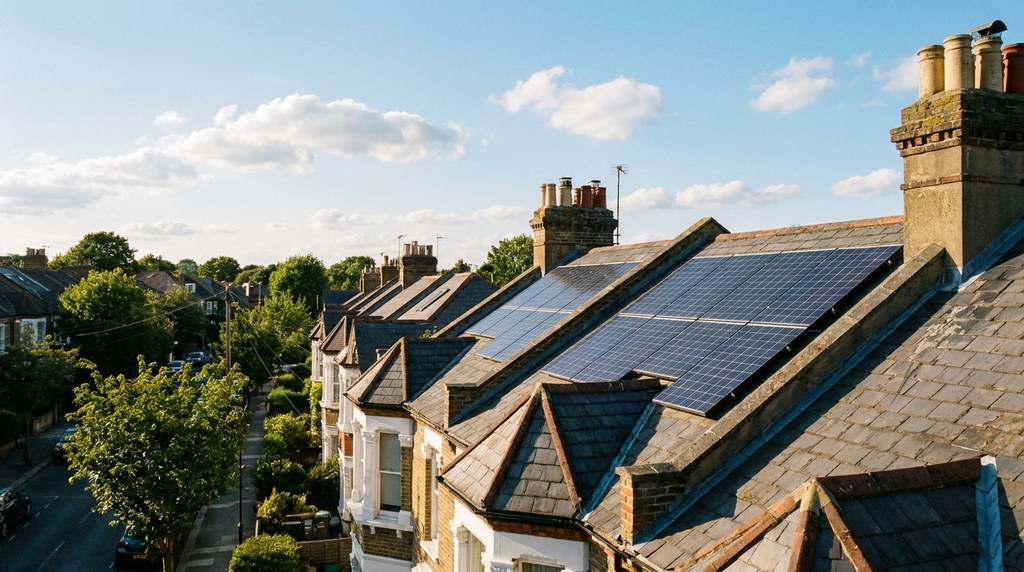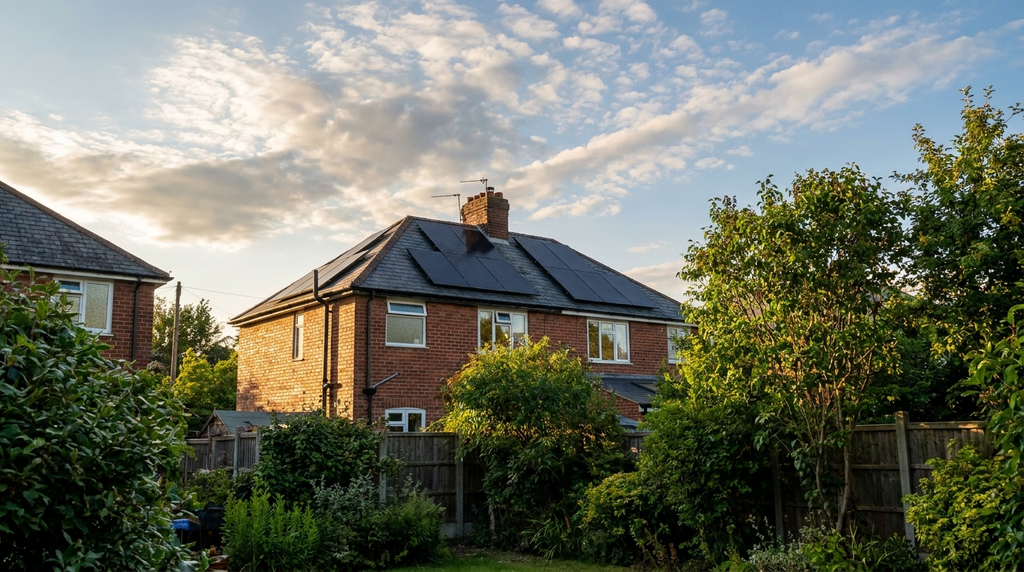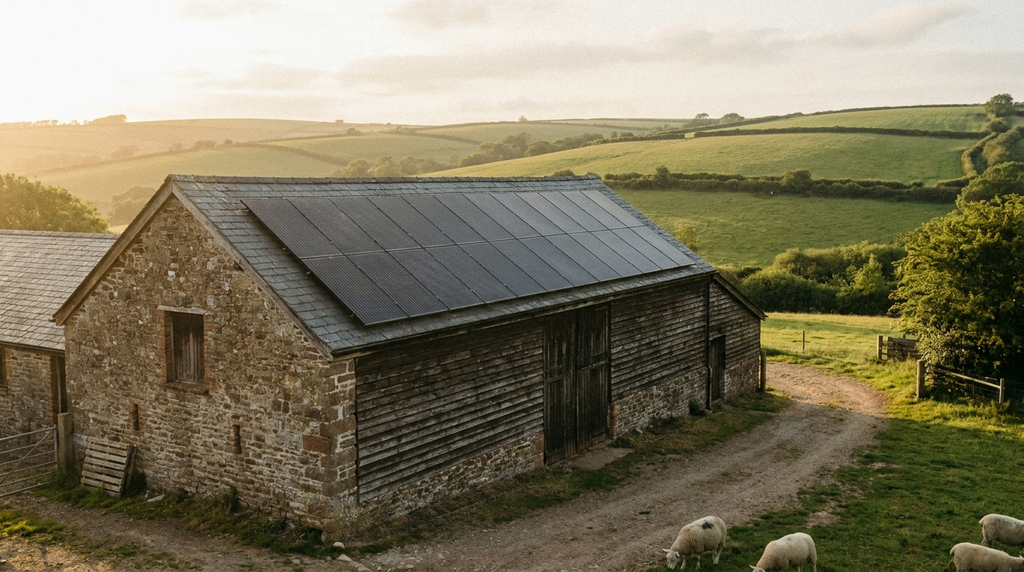
Solar panels are most commonly called photovoltaic panels, or PV panels for short, and the term refers to devices that convert sunlight directly into electricity. The Energy Saving Trust confirms that PV panels are the standard technology used in UK home solar installations (Energy Saving Trust, 2026). This is the name you will see on quotes, grants, and installer websites.
The exact name depends on the panel type. While “solar panel” is the everyday term, the industry and government use “photovoltaic module” or “PV module” in technical documents. The term “solar thermal panel” exists for water heating, but it is a separate technology. For electricity generation, photovoltaic panel is the precise name. Your installer will likely use “PV panels” on your quote and paperwork.
Photovoltaic Panels Are the Standard Term
Photovoltaic panels make up over 99% of UK domestic solar installations. The Microgeneration Certification Scheme (MCS) certifies PV panels for use under the Smart Export Guarantee (MCS, 2026). When you search for a solar installer, you will see “PV” listed as the product category. The term comes from “photo” meaning light and “voltaic” meaning electricity. Every panel sold in the UK for home electricity generation is a photovoltaic panel, regardless of brand or efficiency.
Solar Thermal Panels Heat Water Not Electricity
Solar thermal panels are a different product. They capture sunlight to heat water in a cylinder, not generate electricity. The Energy Saving Trust notes solar thermal systems can cover 50-70% of a household’s hot water needs (Energy Saving Trust, 2026). These panels are often called “solar collectors” in technical literature. They look similar to PV panels but are usually smaller and have a different internal structure. UK homeowners rarely install solar thermal now, as PV panels with a heat pump are more versatile.
Common Nicknames and Misleading Terms
You may hear “solar tiles” or “solar slates” – these are photovoltaic panels built to look like roof tiles. They are still PV panels, just shaped differently. The government’s Smart Export Guarantee applies to all PV panel types, including integrated tiles (GOV.UK, 2026). Avoid the term “solar cells” – that refers to the individual units inside a panel, not the whole product. In the UK, the correct name for a home solar electricity system is a photovoltaic panel or PV panel. That is the term your installer and energy regulator will use.
A worked example
A typical 3-bedroom 1930s semi-detached house in Manchester with a 4 kWp PV system costs around £6,500 after the 0% VAT saving (in place until March 2027). The Energy Saving Trust estimates this system saves a household roughly £520 per year on electricity bills. Payback on this investment takes about 12.5 years. Over the full 25-year lifespan of the panels, total savings reach approximately £13,000. A household in Greater Manchester using a typical 3,500 kWh per year would see their electricity costs drop by nearly half. If the home is eligible for the ECO4 scheme, the upfront cost could fall further, though eligibility depends on income and property type. The Smart Export Guarantee also pays for surplus electricity sent to the grid, adding roughly £120 per year at current rates. The Energy Saving Trust provides a free online calculator for personalised figures.
| Item | Figure |
|---|---|
| Upfront cost after grants | £6,500 |
| Yearly savings | £520 |
| Payback period | 12.5 years |
| 25-year lifetime savings | £13,000 |
What homeowners often get wrong
The most common mistake is confusing photovoltaic (PV) panels with solar thermal panels, which are entirely different technologies. Here are three frequent misunderstandings that cost homeowners money and time
- Calling all panels “solar panels” on quotes You risk receiving a quote for solar thermal panels when you actually need PV panels for electricity generation. The right approach is to always ask for “photovoltaic panels” or “PV panels” on your quote and ensure the MCS certificate matches that term.
- Believing PV panels need direct sunlight to work This misconception leads homeowners to reject installations on north-facing roofs. The truth is that PV panels generate electricity from daylight, not direct sunlight, and still produce about 70% of their peak output on a cloudy day in the UK.
- Thinking all PV panels are the same size and power This causes people to buy panels that do not fit their roof or miss out on higher efficiency models. The correct approach is to check the panel dimensions in metres and the wattage rating in kWp before purchase, as standard residential panels range from 1.6m² to 2.0m² and 350W to 450W.
Quick reference
- Photovoltaic panels convert sunlight into electricity and are the standard technology for UK home solar installations.
- Over 99% of UK domestic solar installations use PV panels certified under the Microgeneration Certification Scheme.
- Solar thermal panels heat water only and are a separate technology not covered by the Smart Export Guarantee.
- A typical 4 kWp PV system on a semi-detached home saves £520 per year and pays back in 12.5 years after 0% VAT.
- Using the wrong term on a quote can result in buying solar thermal panels instead of PV panels, voiding your warranty.
Frequently Asked Questions
They are called photovoltaic panels or PV panels. The Energy Saving Trust confirms PV is the standard technology for UK home solar installations.
There is no difference for electricity generation, all home solar panels in the UK are photovoltaic. Solar thermal panels are a separate product that heats water, not electricity.
PV stands for photovoltaic, from 'photo' meaning light and 'voltaic' meaning electricity. The Microgeneration Certification Scheme certifies PV panels for use under the Smart Export Guarantee.