Why Dorchester Homeowners Are Turning to Solar Panels Right Now
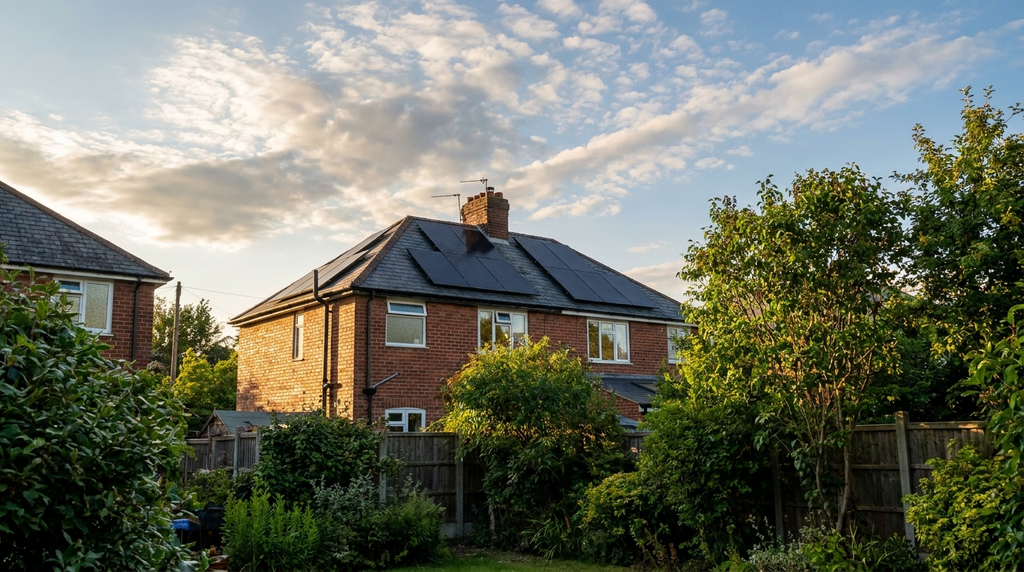
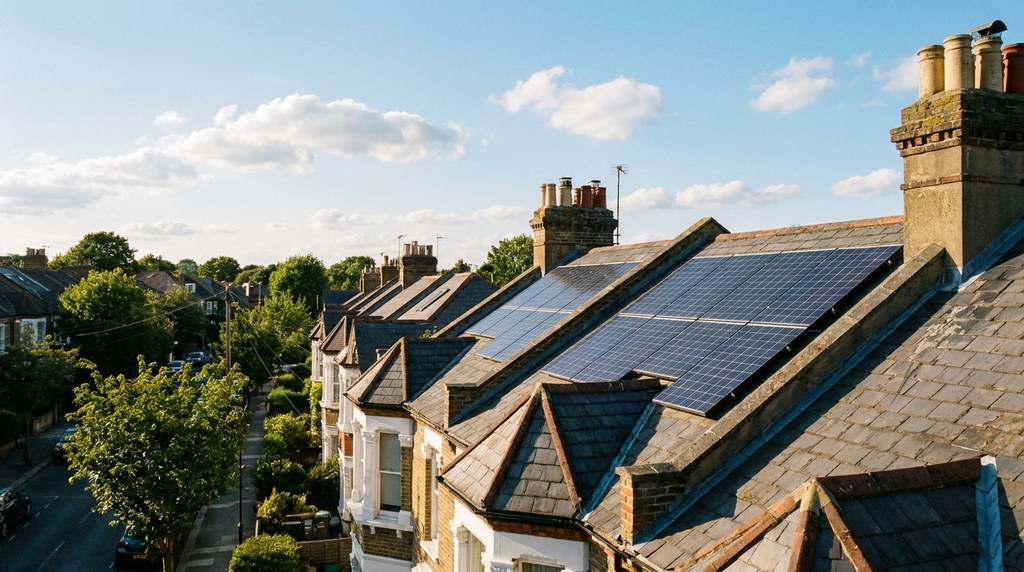
There’s a quiet revolution happening on the rooftops of Dorchester. Drive along Poundbury Road, through the newer estates off Bridport Road, or past the Victorian terraces near the town centre, and you’ll spot more and more solar panels catching the southern sun. This is a national trend with specific local advantages. There are very particular reasons why solar makes sense in Dorchester right now.
Dorset is sitting on some of the best solar irradiance in the entire UK. With 1,100 to 1,200 kWh of solar energy hitting every square metre each year, Dorchester genuinely outperforms much of the country. That’s not marketing speak, it’s why the South West consistently leads the nation in solar adoption. Your panels here simply work harder than the same panels on a house in Leeds or Birmingham.
Then there’s the energy cost pressure. With Dorchester’s average electricity consumption running at around 3,000 kWh a year, and energy prices remaining stubbornly high, generating your own power makes clear financial sense. Add in the Smart Export Guarantee (SEG) payments for surplus electricity you send back to the grid, and the maths gets even more compelling.
What Installing Solar Panels Actually Involves for a Typical Dorchester Home
Most homes in Dorchester fall into two broad camps, the semi-detached and detached houses that make up the bulk of the housing stock. Both are generally well-suited to solar, but the details matter a lot depending on when your home was built.
Dorchester has a fascinating mix of building eras. The town centre contains Georgian and Victorian properties with older roof structures, while the western expansion around Poundbury features the well-known neo-traditional development. Further out, estates from the 1960s through to the 2000s ring the town. Each era presents its own considerations.
- Georgian and Victorian properties (pre-1920), Older roof timbers may need a structural survey before installation. Slates can be brittle and may require careful handling or partial replacement. Worth budgeting an extra £200 to £400 for a structural check.
- Post-war properties (1945 to 1980), Generally straightforward installations. Roofs are typically in good shape, pitch angles are suitable, and loft access for cable routing is usually manageable.
- Poundbury and newer builds (1990 onwards), Often already solar-ready with appropriate roof pitches. Some Poundbury properties are in conservation-style zones though, so check design guidance before proceeding.
A typical semi-detached in Dorchester will have enough south or south-west facing roof space for a 3.5 to 4 kW system, enough to make a meaningful dent in your electricity bills. Detached homes with larger roof areas can comfortably accommodate 5 to 6 kW systems, and many homeowners are pairing these with battery storage to maximise self-consumption.
One practical point worth knowing, Dorchester is a relatively small town of around 20,000 people, which means most specialist solar installers are based in larger nearby centres like Poole, Yeovil, or Bridport. Travel time adds a small amount to quotes, and scaffolding firms may need to be coordinated separately. It’s not a major obstacle, but factor in a slightly longer lead time than you might expect in a city.
How Much Solar Panels Cost in Dorchester and Across the South West in 2026
Let’s talk real numbers. Prices for solar in Dorchester are broadly in line with the South West regional average, though you may find quotes running around 5 to 8% higher than in larger urban centres like Bournemouth or Poole, simply because of installer travel costs and the need to bring scaffolding in from further afield.
| System Size | Typical Property | Panels | Dorchester Cost (Installed) | UK National Average | With Battery Storage Added |
|---|---|---|---|---|---|
| 3 kW | Small semi-detached | 6 to 8 panels | £5,800 to £6,800 | £5,500 to £6,500 | £9,500 to £11,000 |
| 4 kW | Typical semi-detached | 8 to 10 panels | £7,000 to £8,200 | £6,600 to £7,800 | £11,000 to £13,000 |
| 5 kW | Detached, average size | 10 to 12 panels | £8,500 to £10,000 | £8,000 to £9,500 | £12,500 to £15,000 |
| 6 kW | Larger detached | 12 to 14 panels | £10,000 to £12,000 | £9,500 to £11,500 | £14,000 to £17,000 |
Scaffolding in Dorchester typically adds £600 to £900 to the total, depending on roof height and access. Properties on narrower streets near the town centre may face additional charges if road space needs to be managed. Always ask for scaffolding costs to be itemised separately in your quote so you can compare like for like.
Compared to Sherborne and Bridport (both within 25km), prices in Dorchester sit at a similar level. Poole, being larger with more competition, tends to run around 5% cheaper on average.
How Dorchester’s Weather and Location Shape Your Solar Decision
Here’s the honest truth about Dorchester’s climate, it’s almost ideal for solar panels. Sitting in central Dorset, sheltered from the worst coastal winds that hit places like Weymouth and Portland Bill, your panels are unlikely to face extreme weather stress. Rainfall is moderate at 700 to 900mm per year, and importantly, Dorchester benefits from those extra sunshine hours that the South West is famous for.
With 1,200 to 1,500 sunshine hours annually and solar irradiance in the top tier nationally, a well-positioned Dorchester roof can generate meaningfully more energy per panel than homes in the Midlands or North. That genuinely shortens your payback period.
The mild winters here (1,200 to 1,500 heating degree days, which is notably below the national average) mean you’re not relying on solar to offset massive heating costs the way northern homeowners might. Instead, your solar generation covers daytime electricity use, appliances, heating water, charging devices, and any surplus goes back to the grid via the SEG.
One consideration specific to Dorchester’s geography, the town sits in the Frome valley, and some properties on north-facing slopes or in slightly shaded positions may underperform compared to the headline figures. If your home faces north or is surrounded by mature trees, get a shade survey done before committing. For most homes in Poundbury, Fordington, or along the Weymouth Road corridor, south-facing aspects are common and ideal.
The Products and Panel Specifications That Perform Best Here
Not all solar panels are created equal, and for Dorchester’s conditions, some perform noticeably better than others. Given the generally good irradiance levels, you can focus on efficiency and build quality rather than choosing panels specifically optimised for overcast conditions (as northern homeowners sometimes need to).
For most Dorchester homes, these are the product categories worth considering:
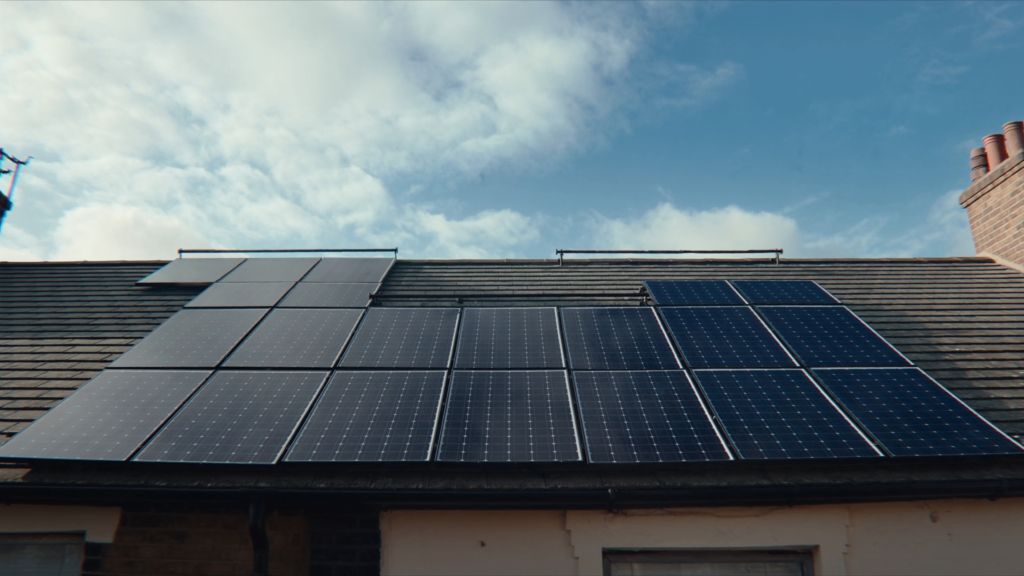
- Monocrystalline PERC panels, The go-to for most installations here. Efficiency ratings of 20 to 22% mean you generate more power from a smaller roof area. Brands like JA Solar, Jinko, and REC perform consistently well in the South West climate. Expect panel warranties of 25 years and performance guarantees of 80 to 90% output over that period.
- Half-cut cell panels, Particularly useful if any part of your roof sees partial shading. The half-cut design reduces the impact of shadows from chimneys (common on Victorian Dorchester properties) or neighbouring trees.
- Bifacial panels, Worth considering for south-facing flat or low-pitch sections, as they harvest reflected light from both sides. Less relevant for steeply pitched roofs but worth asking your installer about.
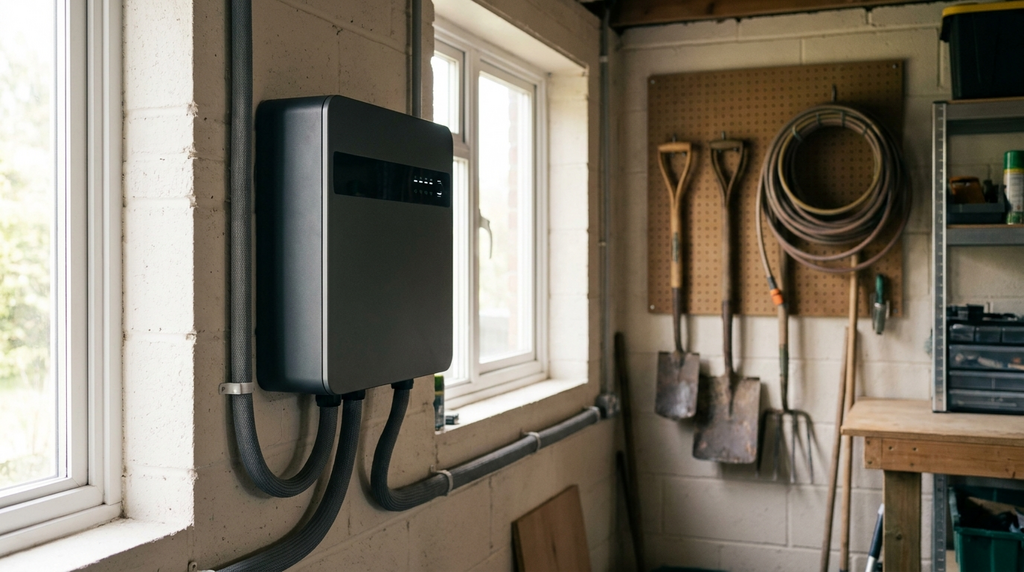
- Battery storage (5 to 10 kWh), Given Dorchester’s electricity usage profile of 3,000 kWh a year, a 5 to 7 kWh battery like the GivEnergy 9.5 or SolarEdge Home Battery lets you capture daytime generation and use it in the evening. This is where the real savings compound over time.
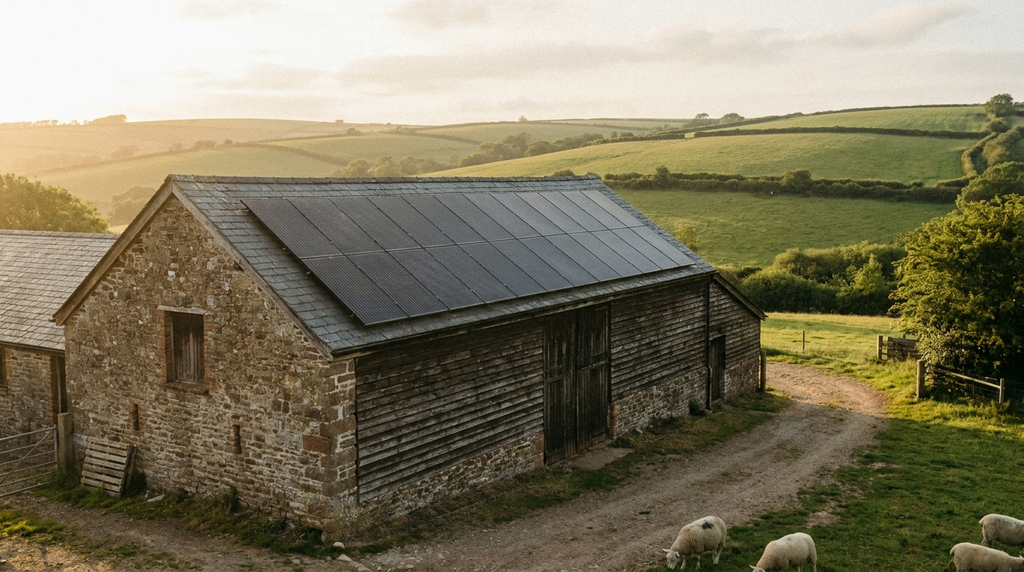
For older Dorchester properties with heritage roof tiles or natural slate, low-profile mounting systems are worth specifying. They sit closer to the roof surface, cause less visual impact, and are generally more acceptable if you’re near conservation-sensitive areas. Ask installers about K2 or IronRidge mounting systems specifically.
Finding a Trustworthy Solar Installer Near Dorchester, What to Ask
Because Dorchester is a smaller town, your installer pool is going to be drawn from a wider geographic area. Most reputable solar firms covering Dorchester are based in Poole, Yeovil, Bournemouth, or Bridport, and will travel in to quote and install. This is completely normal, don’t be put off by an installer not having a Dorchester postcode.
The certifications that genuinely matter for solar in 2026 are:
- MCS (Microgeneration Certification Scheme), This is non-negotiable. Only MCS-certified installers can register your system in a way that qualifies for Smart Export Guarantee payments. No MCS certification means no export payments, walk away.
- TrustMark, Government-endorsed quality scheme. Gives you additional consumer protection and is required for some grant schemes.
- NAPIT or NICEIC registration, Shows electrical competence for the inverter and wiring work involved in a solar installation.
Questions to ask any installer quoting for your Dorchester property:
- Can you provide three recent references from jobs in Dorset or South West England
- Will you carry out a roof structural assessment before installation
- Who handles the DNO (Distribution Network Operator) notification, this is a legal requirement for systems over 3.68 kW
- Is scaffolding included in your quote, and who manages it
- What’s your process if a roof tile is damaged during installation
Red flags to watch for, pressure to sign on the day, quotes significantly below the market rates shown above (often indicates cheap components or no MCS registration), and vague answers about warranties. Lead times in the South West currently run at around 6 to 10 weeks from survey to installation, so be cautious of anyone promising next-week installs.
Grants and Financial Support Available to Dorchester Residents in 2026
The funding landscape has evolved considerably, and there are several routes worth exploring depending on your household circumstances.
Smart Export Guarantee (SEG), This is available to all Dorchester homeowners with an MCS-certified system. You’re paid for every unit of electricity you export to the grid. Rates currently vary between energy suppliers from around 4p to 15p per kWh. It’s not the bonanza of the old Feed-in Tariff, but over a 25-year system life it adds up to a meaningful return.
ECO4 Scheme, Funded by energy suppliers and administered through Dorset Council, ECO4 provides free or heavily subsidised energy efficiency measures for eligible households. Solar panels are not directly funded under ECO4, but if you qualify (low income, certain benefits, or an EPC below Band D), you may receive insulation and heating upgrades that make solar even more cost-effective as a follow-on investment. Contact Dorset Council’s Warm Homes team to check eligibility.
The Great British Insulation Scheme closed on 31 March 2026. It funded insulation measures only and never covered windows or glazing. Worth combining with solar planning, improving your EPC from Band D before or alongside solar installation maximises both comfort and export potential.
0% VAT on solar panels, This remains in place in 2026. All residential solar panel installations, battery storage, and associated equipment are VAT-exempt. This saves you roughly 20% compared to what you’d have paid a few years ago and is automatically applied by any MCS-registered installer.
Dorset Council Local Support, Dorset Council has been an active participant in the South West Net Zero Hub initiatives. It’s worth checking their current green homes support page directly, as local authority programmes can change. Some Dorset residents in fuel poverty have accessed additional support through council-brokered schemes. Ring the council’s housing energy team directly, the staff there are genuinely helpful and often know about schemes that aren’t widely publicised.
Planning Permission and Local Rules, What Dorchester Homeowners Need to Know
The good news is that for most Dorchester homes, solar panels fall under Permitted Development Rights, meaning no planning permission is needed. But the local context here requires some care.
Dorchester sits within an area managed by Dorset Council (formed from the merger of several former councils). The town itself contains several designated conservation areas, particularly around the historic town centre, South Street, and parts of Fordington. If your property is within a conservation area, you are still permitted to install solar panels under PD rights, but the panels must not be visible from a highway, and they must be removed if no longer needed. In practice, this means rear-facing roof installations on conservation area properties are usually straightforward, while front-facing panels visible from the street may require a formal application.
Listed buildings are a different matter entirely. If your home is Listed (and Dorchester has a significant number of Grade II listed properties), you will need Listed Building Consent before any solar installation. This doesn’t mean it’s impossible, consents are sometimes granted, but you’ll need a pre-application conversation with Dorset Council’s conservation officer and potentially specialist mounting systems built to minimise penetration of historic fabric.
For Poundbury specifically, the Duchy of Cornwall estate has its own design guidance. While Poundbury properties are generally not listed, the estate’s design code has aesthetic requirements. Check with the Poundbury estate management team before proceeding, most modern solar systems can meet their requirements, but it’s worth confirming early rather than after you’ve paid for a survey.
For standard semi-detached and detached homes in Dorchester outside conservation areas, the majority of the town’s housing stock, you simply proceed with your installation. Your MCS installer will handle the relevant notifications as part of the process.
Your Realistic Savings, What the Numbers Actually Look Like for a Dorchester Home
Let’s use real Dorchester figures rather than national averages that may not reflect your situation.
A typical Dorchester household uses 3,000 kWh of electricity per year and 10,800 kWh of gas. Your solar panels directly address the electricity bill. With a 4 kW system in Dorchester’s solar conditions, you can expect annual generation of around 3,