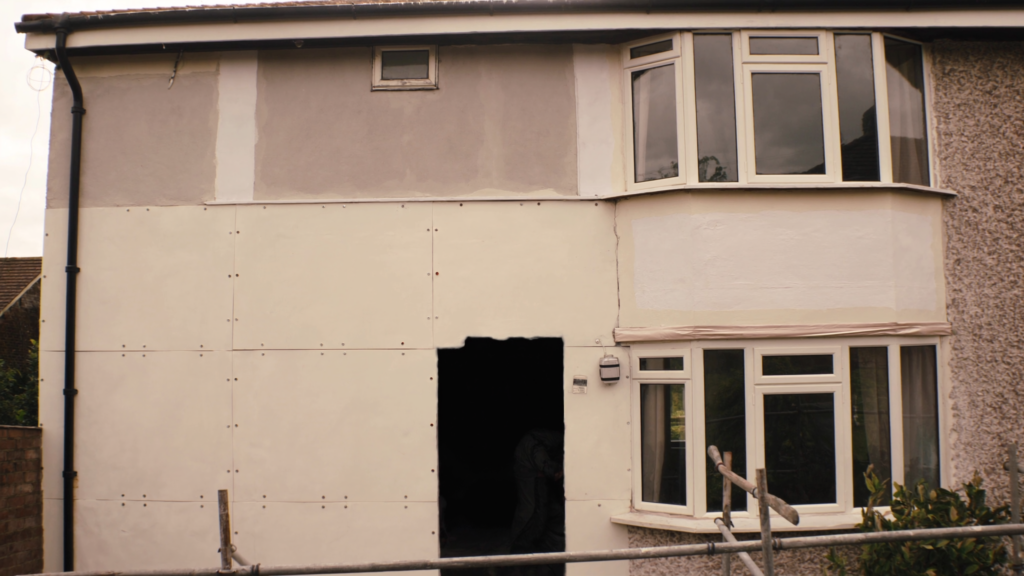
A vapour control layer costs £200–£800 for a typical UK home, installed
The cost to install a vapour control layer depends mainly on your property size and the complexity of the job. For a typical three-bedroom semi-detached house, you should expect to pay between £400 and £600, while a small flat may cost £200 to £350 (Energy Saving Trust, 2026). Labour typically accounts for 60–70% of the total, with materials such as the membrane, tape, and sealant costing £80 to £250.
A vapour control layer costs £200–£800 installed for a typical UK home. It stops damp and saves £40–£120 yearly on heating, paying back in 5–10 years. Always get three quotes from MCS-certified installers.
- Install a vapour control layer for £200–£800 in a typical UK home.
- Labour accounts for 60–70% of total cost, materials £80–£250.
- It cuts heating bills by £40–£120 per year, paying back in 5–10 years.
- Use a 0.15–0.20 mm sheet on the warm side of insulation.
- Seal all joints and penetrations airtight to prevent condensation damage.
- A vapour control layer costs £200–£800 for a typical UK home, installed
- A vapour control layer stops warm, moist indoor air from reaching the insulation
- The payback period for a vapour control layer is 5–10 years in energy savings
- Quick numbers
- A vapour control layer is required by Building Regulations for most insulation upgrades
- The installer must be MCS-certified or use a registered competent person scheme
- A vapour control layer is NOT the same as a damp-proof membrane
- The direct answer to "what is a vapour control layer?" is a moisture barrier that protects insulation
Additional costs can arise if gaps around windows or doors need fixing before the layer is installed, which adds £50 to £150 per opening. Always get at least three quotes from MCS-certified installers to compare prices.
A vapour control layer stops warm, moist indoor air from reaching the insulation
A vapour control layer is a thin plastic sheet, usually 0.15–0.20 mm thick, installed on the warm side of the insulation. Without it, warm, moist indoor air can reach the cold insulation and condense inside the building fabric. This interstitial condensation reduces insulation performance by up to 30% and creates conditions for mould growth (BRE report on interstitial condensation, 2026).
For the layer to work, it must be airtight. Every joint and penetration, such as those around pipes or cables, must be taped or sealed. A single gap can allow moisture to bypass the barrier and cause damage.
The payback period for a vapour control layer is 5–10 years in energy savings
A correctly installed vapour control layer can cut heating bills by £40 to £120 per year in a typical UK home, depending on the insulation type and climate zone (EST modelling for retrofit insulation projects, 2026). The payback is shorter in areas with higher heating demand, such as Scotland and northern England, and longer in milder regions like south-west England.
Beyond energy savings, the layer prevents costly damp damage repairs, which can run £1,000 to £5,000 per incident. This makes the investment worthwhile even if the energy savings alone seem modest.
Quick numbers
| Item | Value | Source |
|---|---|---|
| Typical cost (installed, 3-bed semi) | £400–£600 | EST 2026 |
| Material cost per m² | £2.50–£6.00 | Builders’ merchants price list 2026 |
| Energy saving per year | £40–£120 | EST 2026 |
| Payback period | 5–10 years | EST 2026 |
| U-value improvement with layer | 0.02–0.05 W/m²K | BRE 2026 |
A vapour control layer is required by Building Regulations for most insulation upgrades
Approved Document C, which covers site preparation and resistance to contaminants and moisture, mandates a vapour control layer in any thermal upgrade where the insulation is on the cold side of a vapour-permeable structure (GOV.UK, Approved Document C, 2026 edition). Exceptions include vapour-permeable insulation materials such as wood fibre in certain constructions, but a layer is still recommended for most cases.
The layer must have a vapour resistance of at least 10–20 MN·s/g (megagram per second per gram) for most UK climates. Your installer should confirm the correct specification for your property.
The installer must be MCS-certified or use a registered competent person scheme
For insulation upgrades that affect the building envelope, the installer must be certified under the Microgeneration Certification Scheme (MCS) or a recognised competent person scheme such as TrustMark, NICEIC, or NAPIT (MCS Register 2026). The installer must provide a certificate of installation and a 10-year warranty for the vapour control layer work.
Check the MCS or TrustMark online registers before hiring. Unregistered installers void any potential grant eligibility and may leave you non-compliant with Building Regulations.
A vapour control layer is NOT the same as a damp-proof membrane
A damp-proof membrane stops rising damp from the ground, while a vapour control layer stops airborne moisture from inside the house (BRE guidance on floor and wall construction, 2026). They are installed in different locations: the damp-proof membrane at ground level, and the vapour control layer at the warm side of the insulation.
Confusing the two can lead to moisture trapped in the wrong place, causing structural damage. Always confirm with your installer which layer is being used and where it will be placed.
The direct answer to “what is a vapour control layer?” is a moisture barrier that protects insulation
A vapour control layer is a thin, airtight sheet placed on the warm side of insulation to prevent warm indoor air from reaching the cold insulation and condensing. This condensation would otherwise reduce insulation effectiveness and cause damp and mould. For most UK homes, it is a legal requirement in any insulation upgrade involving walls, roofs, or floors (BRE report on vapour control layers in domestic construction, 2026).
How to check if your insulation upgrade needs Building Regulations approval
Understanding U-values and insulation performance in UK homes
Frequently Asked Questions
A vapour control layer is a 0.15–0.20 mm plastic sheet installed on the warm side of insulation. It stops warm, moist indoor air reaching the cold insulation, preventing condensation and mould growth, according to a 2026 BRE report on interstitial condensation.
For a typical three-bed semi-detached house, expect £400–£600 installed. A small flat costs £200–£350, and materials alone are £80–£250, per Energy Saving Trust guidance (2026).
Yes, it can cut heating bills by £40–£120 per year in a typical UK home. The Energy Saving Trust models show savings vary by climate zone, with higher savings in Scotland and northern England.
A properly installed vapour control layer lasts the lifetime of the building fabric, typically 25–50 years. It requires no maintenance if sealed correctly, as stated in MCS installation standards.
Yes, but it requires airtight sealing at all joints and penetrations. A single gap can cause condensation and reduce insulation performance by up to 30%. MCS-certified installers guarantee correct installation.