Replacing a conservatory roof can cut heat loss by up to 80%, DESNZ data
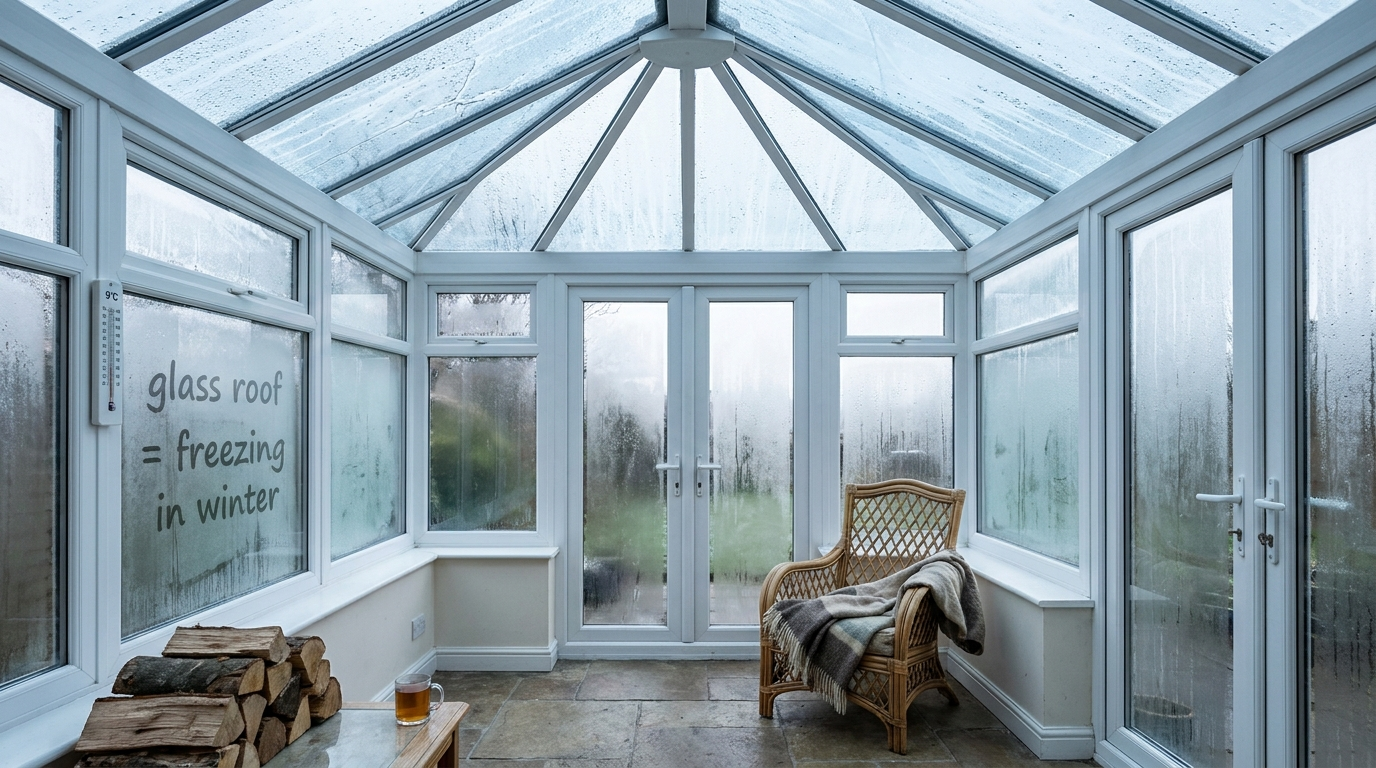
If your conservatory is too cold in winter and too hot in summer, the roof is almost certainly the cause. An uninsulated conservatory roof can account for 40–60% of the room’s total heat loss, according to the Department for Energy Security and Net Zero (DESNZ).
A replacement roof with a U-value of 1.0 W/m²K or lower reduces heat loss by up to 80% compared to a single-glazed polycarbonate roof. The U-value measures how quickly heat passes through a material, the lower the number, the better the insulation (DESNZ, Energy Efficiency of Buildings release, 2026).
That means a conservatory with a modern insulated roof can feel comfortable enough to use as a living space year-round, without a separate heating system running constantly.
Glass roof replacements offer maximum light but poor insulation
A glass conservatory roof typically has a U-value of 1.2–1.6 W/m²K, depending on the glazing type and low-E coatings. That is better than single-glazed polycarbonate (which can be above 5.0 W/m²K) but still far from the insulation levels needed for a fully habitable room.
Glass roofs allow up to 80% natural light transmission, making them ideal for north-facing or shaded conservatories where brightness is a priority. The cost for a standard 3m x 4m roof, including installation, ranges from £3,500 to £6,500 (Energy Saving Trust, Conservatory Roof Replacement Costs, 2026).
The main drawback is temperature control. Glass roofs can overheat in summer and feel cold in winter without additional heating or solar-control glass. You may need to install blinds or solar-control coatings to manage glare and heat gain.
Tiled solid roofs provide the best insulation but can reduce light
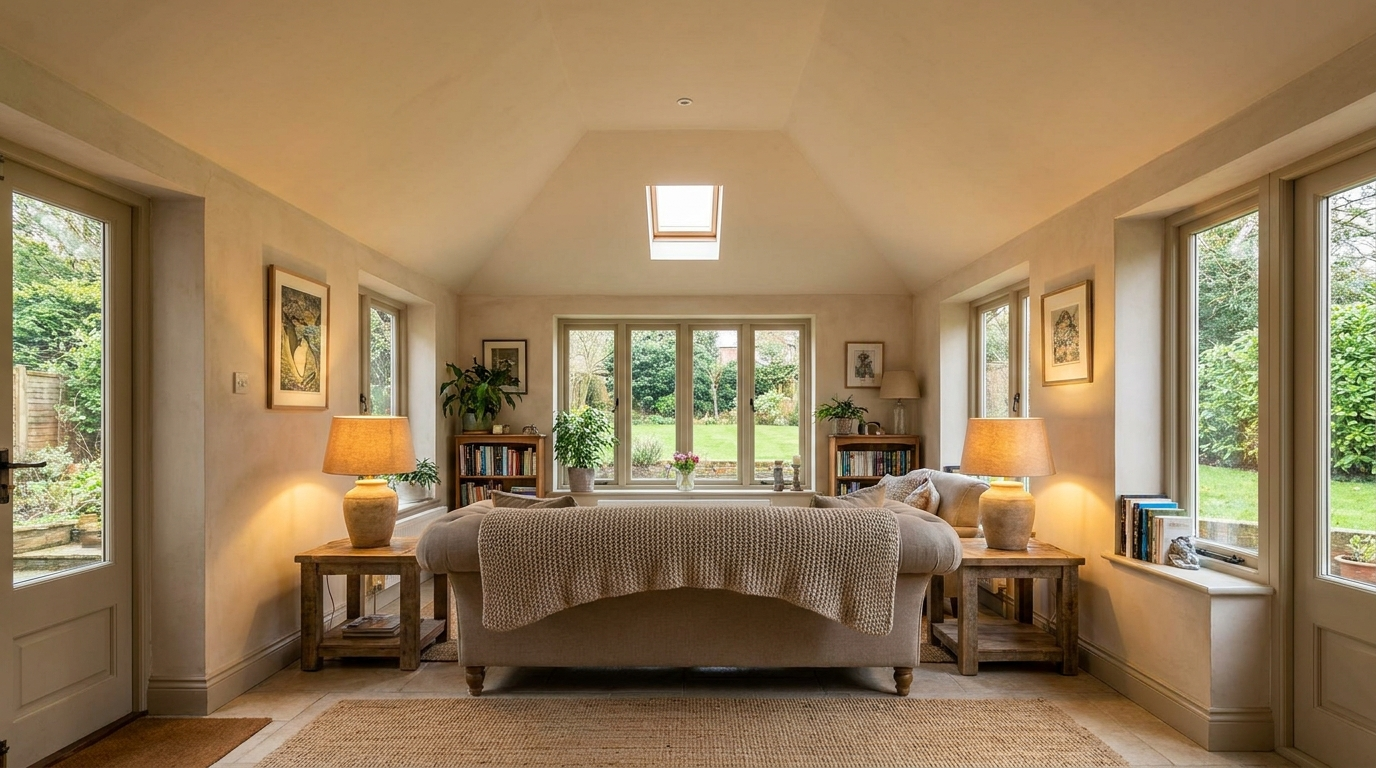
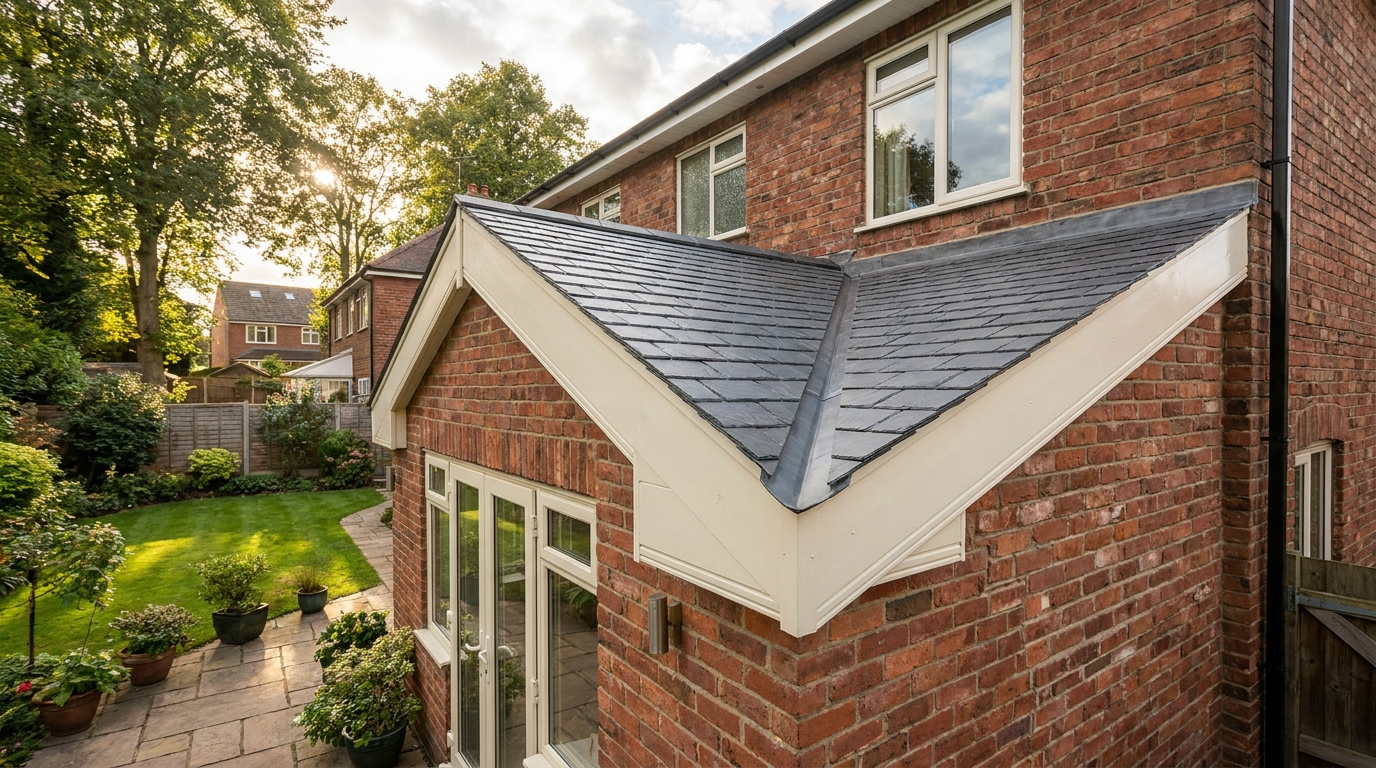
A tiled solid roof achieves a U-value of 0.15–0.25 W/m²K, which meets building regulations for a habitable room. That is roughly the same insulation level as a standard pitched roof on a main house.
Light transmission drops to 5–10%, so the conservatory may need additional artificial lighting or a roof lantern to maintain brightness. The cost for a standard 3m x 4m roof, including installation, ranges from £5,000 to £9,000 (Energy Saving Trust, Conservatory Roof Replacement Costs, 2026).
Tiled roofs often require planning permission if the conservatory is attached to a listed building or in a conservation area. Check with your local planning authority before proceeding (GOV.UK, Planning permission for conservatories, 2026).
Quick numbers, U-values, costs, and light transmission for each roof type
| Roof type | U-value (W/m²K) | Typical cost (£) | Light transmission (%) | Planning permission likely? | Suitable for listed buildings? |
|---|---|---|---|---|---|
| Glass | 1.2–1.6 | 3,500–6,500 | 80 | No | Usually not |
| Tiled solid | 0.15–0.25 | 5,000–9,000 | 5–10 | Yes, in conservation areas | Rarely |
| Insulated panel | 0.5–0.8 | 3,000–5,500 | 40–60 | No | Usually not |
U-values are sourced from DESNZ, Building Regulations Part L, 2026. Costs are from Energy Saving Trust, Conservatory Roof Replacement Costs, 2026. Planning guidance is from GOV.UK, Planning permission for conservatories, 2026.
Insulated panel roofs are the compromise option for most homes
Insulated panel roofs, made from composite materials or polycarbonate with an insulation core, achieve a U-value of 0.5–0.8 W/m²K. That is better than glass but worse than tiled solid roofs.
Light transmission is 40–60%. This provides a balance between brightness and warmth. The cost for a standard 3m x 4m roof, including installation, ranges from £3,000 to £5,500 (Energy Saving Trust, Conservatory Roof Replacement Costs, 2026).
These roofs are lighter than tiled options, reducing the need for structural reinforcement. That makes them a good choice for conservatories where the existing frame cannot support the weight of tiles or slates.
guide to conservatory insulation options
Eligibility for grants and how to confirm installer certification
The Great British Insulation Scheme closed on 31 March 2026. It funded insulation measures only and never covered windows or glazing.
If your replacement roof includes solar panels or heat pump integration, the installer must be MCS-certified (Microgeneration Certification Scheme). For non-solar replacements, TrustMark or FENSA certification is required for glass roofs. Gas Safe Register is needed if the roof includes gas pipework for heating.
Check eligibility via the GOV.UK Find an installer tool or the MCS register at mcs.uk.com.
The direct answer to “replacement conservatory roof uk”, who qualifies and who does not
You qualify for a replacement conservatory roof if your current roof is single-glazed polycarbonate or a poorly insulated glass roof, and you intend to make the conservatory a habitable room. The Great British Insulation Scheme closed on 31 March 2026. It funded insulation measures only and never covered windows or glazing.
Planning permission is not required for most replacements that match the existing structure, but it is required for listed buildings, conservation areas, or if the roof changes the height or footprint. The most common disqualifier is failing to use a certified installer, always verify MCS, TrustMark, or FENSA registration before proceeding (GOV.UK, Planning permission for conservatories, 2026).
How to verify your installer, MCS, TrustMark, and FENSA checks
For glass roofs, check FENSA registration at fensa.org.uk. All replacement glass roofs must comply with Building Regulations, and FENSA-certified installers self-certify the work.
For tiled solid roofs, use the MCS register at mcs.uk.com if the roof includes solar panels. Otherwise, check TrustMark at trustmark.org.uk for general quality assurance. For insulated panel roofs, verify the installer is registered with either TrustMark or the National Insulation Association (NIA).
Always ask for a written certificate of compliance after installation and keep it for future property sales. An unregistered installer could leave you without valid Building Regulations approval, which can cause problems when you sell your home (FENSA, 2026).
how to check if your conservatory meets building regulations
Frequently Asked Questions
A glass replacement roof for a standard 3m x 4m conservatory costs £3,500 to £6,500 installed, according to the Energy Saving Trust (2026). A tiled solid roof typically costs £5,000 to £8,000.
A tiled solid roof provides the best insulation with a U-value of 0.15–0.25 W/m²K, meeting building regulations for a habitable room. This is roughly the same insulation level as a standard pitched roof on a main house.
Yes, if the new roof creates a habitable space or changes the structure, building regulations approval is required. A tiled solid roof with a U-value below 0.30 W/m²K typically meets the standards.
A glass roof lasts 20–30 years with proper maintenance, while a tiled solid roof can last 40–50 years. The Energy Saving Trust notes that quality installation and materials extend lifespan.
Yes, you can replace a conservatory roof with tiled solid panels. This option offers the best insulation and can make the conservatory usable year-round, but reduces natural light compared to glass.