Boilers & Heating
Smart thermostats, real savings or hype?
Smart thermostats save 2-9% on heating bills per Energy Saving Trust data. Real savings, brand comparison and when they are worth it.
Compare boilers, heat pumps, and heating systems for UK homes. Running costs, government grants, sizing guides, and advice on switching from gas to renewable heating.
506 articles
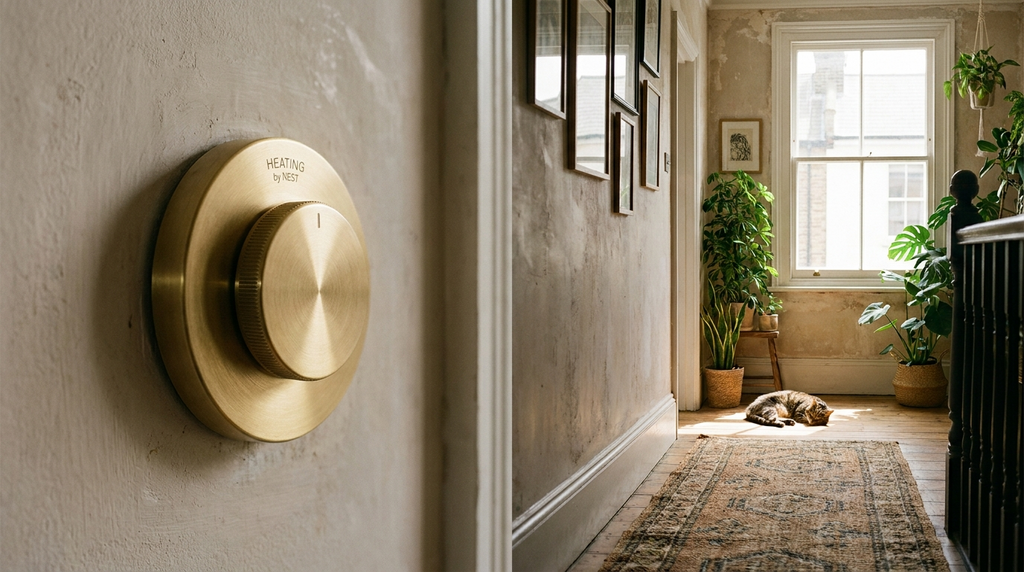
Smart thermostats save 2-9% on heating bills per Energy Saving Trust data. Real savings, brand comparison and when they are worth it.
Most heat pump installs change three to six radiators, not the whole house. Which stay, which go, and how to push back on installer scope.
Heat pumps cost an average £13,431 before grants. The unit is only 30-40%. What you are paying for, why quotes vary, and the red flags.
0% VAT on heat pumps, solar and insulation ends 31 March 2027. On a £14,000 install that is £2,800 in real money. Lead times matter.
There is no ban on existing gas boilers in 2026. The Future Homes Standard applies to new builds only. What is actually changing.
From July 2026 the Boiler Upgrade Scheme grant rises to £9,000, but only for off-gas-grid homes. Here is who qualifies and what to do.
No, hydrogen boilers will not replace gas boilers in UK homes on a mass scale. The government's 2026 policy decision prioritises heat pumps over hydrogen for domestic heating, with the…
The Clean Heat Market Mechanism is a UK government policy requiring boiler manufacturers to sell a rising percentage of heat pumps each year, starting at 4% in 2026, or pay…
Yes, you can keep your existing gas boiler past 2035 as the ban only applies to the sale and installation of new fossil-fuel boilers, not to continued use or repair…
An air source heat pump in the UK typically lasts between 15 and 20 years, comparable to a modern gas boiler’s 10 to 15 year lifespan. Installation quality is important…
A hybrid solar PV and heat pump system can pay back in the UK within 8 to 14 years, depending on your property and energy usage. With the Boiler Upgrade…
Yes, a heat pump can replace storage heaters in a UK flat, but it depends on your flat's insulation, available space, and heating system type. Installation costs for an air…
In most cases, you do not need planning permission for an outdoor air source heat pump in England because it qualifies as permitted development. However, the unit must be no…
The best heat pump for a Highland Scottish home in 2026 is an air-to-water model with a SCOP of at least 3.5, such as the Mitsubishi Ecodan or Daikin Altherma.…
An air source heat pump can cut heating costs by up to 30% versus oil in a Welsh stone cottage, but viability depends on improving insulation levels first. Without upgrading…
Yes, underfloor heating works exceptionally well with a heat pump in the UK, and it is the most efficient pairing available for most homes. Heat pumps operate most effectively at…
Boiler kettling is usually caused by limescale or sludge buildup inside the heat exchanger, which restricts water flow and causes localised overheating. A powerflush to remove sludge costs £300–£500 for…
To fix low boiler pressure in the UK, repressurise the system using the filling loop until the gauge reads between 1 and 1.5 bar. This is a common DIY fix…
Boiler cover insurance is not worth it for most UK homeowners in 2026, as the average annual premium of £275 exceeds the typical repair cost of £180, according to GOV.UK.…
Yes, a magnetic boiler filter is worth fitting in most UK homes with a combi or system boiler because it traps magnetite sludge that reduces efficiency by up to 6%…
You may need a power flush before a new boiler if your heating system contains sludge or debris, as it clears blockages to protect the new appliance and maintain its…
Air-to-water heat pumps heat radiators and provide hot water, while air-to-air heat pumps blow warm air into rooms via fan units and cannot supply hot water. An air-to-water system for…
Yes, you can install a heat pump in many UK flats and apartments, but it depends on outdoor space and ownership rules. Air-source heat pumps are the most common, costing…
Pairing a battery with a heat pump is not essential, but it can cut your annual electricity costs by 20-30% if you are on a time-of-use tariff like Economy 7.…
A new combi boiler costs between 2,000 and 3,500 pounds installed, including flue and controls. System boilers with a hot water cylinder cost 2,500 to 4,500 pounds. Prices vary by brand, output size, and complexity of the installation.
At 2026 energy prices, an air source heat pump with a COP of 3 costs roughly the same as a gas boiler to run. With electricity at 24.5p per kWh and gas at 7.2p per kWh, the heat pump produces heat at about 8.2p per kWh compared to gas at around 8p per kWh including boiler efficiency. The 7,500 pound BUS grant makes the overall economics favourable.
Yes, but older houses often need some preparation. The key requirements are adequate insulation, possibly larger radiators or underfloor heating for lower flow temperatures, and sufficient outdoor space for the external unit. A professional heat loss survey will determine what upgrades are needed.
The BUS provides 7,500 pounds towards installing an air source or ground source heat pump. Your home must have an EPC, be replacing a fossil fuel heating system, and use an MCS-certified installer. The property must be in England or Wales and you cannot have previously claimed a renewable heat incentive.
Air source heat pumps typically last 15 to 20 years, while ground source heat pumps can last 20 to 25 years. A well-maintained gas boiler lasts 10 to 15 years. Heat pumps have fewer moving parts and require less maintenance.
Air source heat pumps cost £800-£1,100 per year to run in a typical UK three-bedroom semi, comparable to a new gas boiler. With a £7,500 government grant available through the…
A hydrogen-ready boiler is a gas boiler engineered to switch to 100% hydrogen in the future with minor component changes, and in 2026 it costs roughly £100 to £300 more…
For most UK homeowners, an air source heat pump is the more practical and affordable choice, costing roughly £8,000–£15,000 installed before the £7,500 Boiler Upgrade Scheme grant reduces the net…
The Boiler Upgrade Scheme is a UK Government grant programme administered by Ofgem that provides upfront discounts of up to £7,500 off the cost of installing a low-carbon heating system…
The best smart thermostats available in the UK can save a typical household between £75 and £150 per year on heating bills, according to Energy Saving Trust guidance, with top-rated…
A new boiler installed in the UK in 2026 costs between £1,500 and £4,500 all in, covering the boiler unit, labour, and standard fitting materials. A simple like-for-like combi boiler…