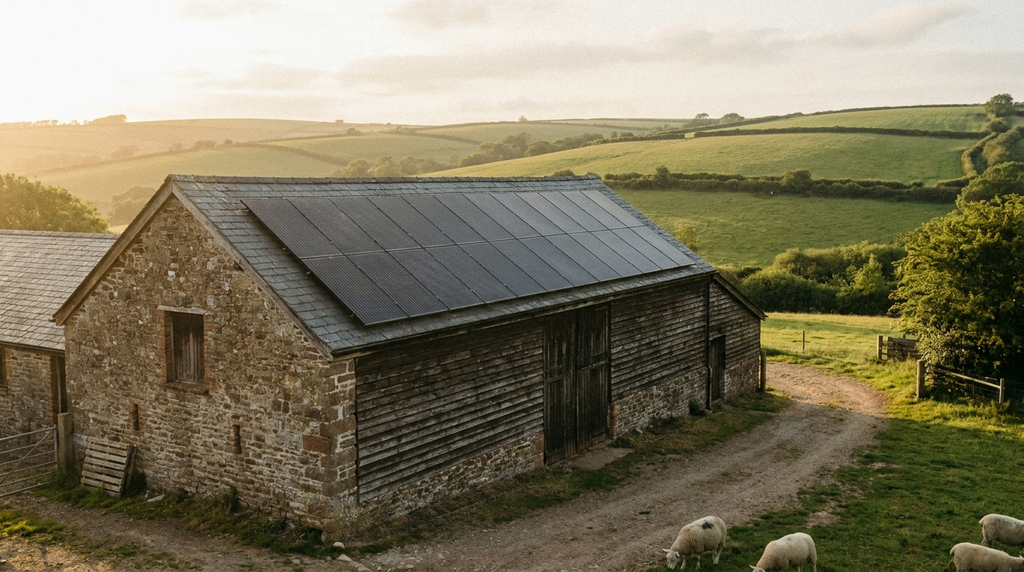
Solar Panels

How does solar panels work for home?

How does solar panels work for home?

Solar panels convert sunlight into direct current electricity using photovoltaic cells

Solar panels, technically called photovoltaic (PV) panels, generate electricity when sunlight hits them. Each panel contains many PV cells made from semiconductor materials, most commonly silicon. When photons from sunlight strike the cell, they knock electrons loose from their atoms, creating a flow of direct current (DC) electricity. This process is called the photovoltaic effect (Energy Saving Trust, 2026).

Quick Answer

Solar panels work by using photovoltaic cells to convert sunlight into direct current (DC) electricity. An inverter then turns this into alternating current (AC) for your home. The process is called the photovoltaic effect, as explained by the Energy Saving Trust.

Key Takeaways

  • Solar panels use the photovoltaic effect to convert sunlight into DC electricity.
  • Each panel typically has a 350W to 450W wattage rating for home systems.
  • A south-facing roof at 30-40 degrees is optimal for UK solar panel output.
  • An inverter is required to convert DC to AC for home and grid use.
  • Your home uses solar power first before drawing from the National Grid.

The amount of electricity a panel produces depends on three main factors: its wattage rating (typically 350W to 450W per panel for modern home systems), the intensity of sunlight hitting it, and the angle and orientation of installation. A south-facing roof at a 30–40 degree tilt is considered optimal in the UK.

An inverter turns that DC electricity into alternating current your home can use

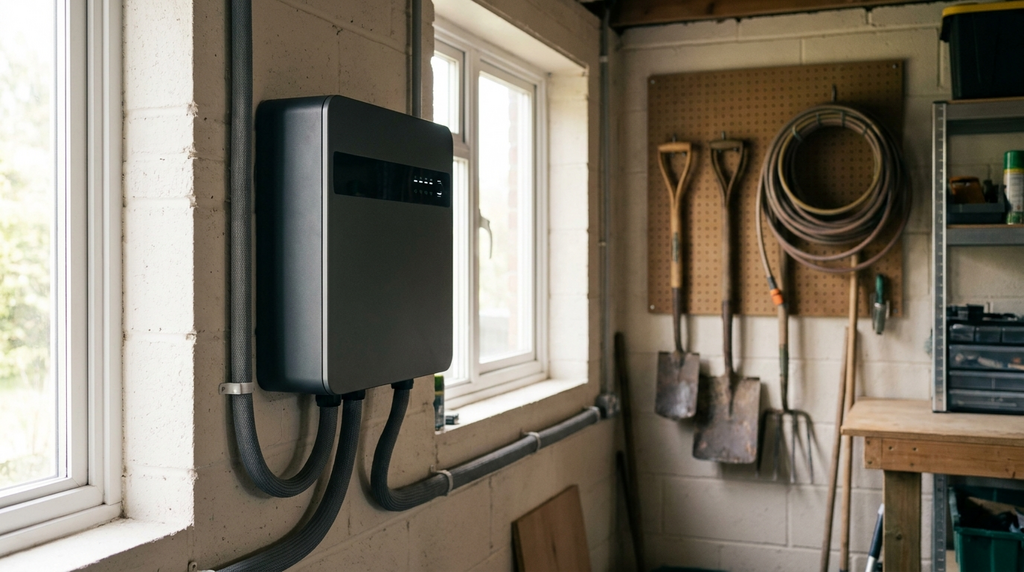
UK homes and the National Grid operate on alternating current (AC) electricity, not DC. So the DC power from your solar panels must be converted before it can power your lights, fridge, or kettle. This conversion is done by an inverter (Ofgem, 2026).

Two main types of inverter are used for home solar systems. A string inverter is the most common and cheapest option; it converts the combined DC output from all panels on a single string (or series) at once. The alternative is microinverters, which are fitted to each individual panel. Microinverters can improve overall system performance if some panels experience shading during the day, because a shaded panel on a string inverter can reduce the output of the entire string.

Your home uses solar electricity first, then draws from the grid when needed

A generation meter installed with your solar system records how much electricity your panels produce. During daylight hours, your home uses solar power directly to run appliances. If your panels generate more electricity than your home is using at that moment, the surplus is exported to the National Grid. If your panels are not generating enough to meet demand — for example, on a cloudy afternoon or in the evening — your home automatically pulls the shortfall from the grid (DESNZ, 2026).

At night, when your panels produce nothing, your home runs entirely on grid electricity. Without a battery, you cannot use the solar power you generated earlier in the day.

Quick numbers typical costs, savings, and payback for a UK home

The table below shows typical figures for three common solar panel system sizes installed on UK homes in 2026. All costs include VAT at the reduced 0% rate and assume a south-facing roof with no shading.

System size (kWp) Typical installed cost Annual electricity generation (kWh) Annual savings on bills Payback period (years)
3.5 kWp £5,500 3,100 £420 13
4.0 kWp £6,200 3,550 £480 13
5.0 kWp £7,500 4,400 £590 13

Figures based on MCS-certified system data and Energy Saving Trust modelling for a typical 3-bed semi-detached home in southern England (Energy Saving Trust, 2026). Actual payback periods depend on your household electricity usage patterns, the proportion of solar power you use directly, and the export tariff you receive.

The Smart Export Guarantee pays you for electricity you send back to the grid

Any solar electricity your home does not use is automatically exported to the National Grid. Under the Smart Export Guarantee (SEG), most licensed energy suppliers with more than 150,000 customers must offer you a tariff that pays a set rate per kilowatt-hour (kWh) you export. Smaller suppliers can offer SEG tariffs voluntarily (Ofgem, 2026).

SEG rates vary significantly by supplier. As of 2026, typical rates range from about 5p per kWh up to 16p per kWh. You must have a smart meter or an export meter to receive payments. The SEG replaces the earlier Feed-in Tariff, which closed to new applicants in 2019.

compare the best SEG tariffs and find out which suppliers pay the highest export rates for solar panels

How to verify your installer and qualify for government incentives

To receive SEG payments and benefit from the 0% VAT rate on solar panel installations, your system must be installed by a company certified under the Microgeneration Certification Scheme (MCS). MCS certifies both installers and the products they use. You can check whether a company is registered on the MCS database at mcs-certified.com (MCS, 2026).

Your installer should also be registered with TrustMark, the government-endorsed quality scheme for home improvements. TrustMark registration provides access to a formal complaints process and insurance-backed warranty protection (GOV.UK, 2026). You should also check that your installer is a member of a recognised consumer code, such as the Renewable Energy Consumer Code (RECC) or the Home Insulation and Energy Systems Quality Assured Contractors Scheme (HIES).

Solar panels work even on cloudy UK days, but output drops significantly

Solar panels do not need direct sunlight to generate electricity. They can still produce power from diffuse light on overcast days, though output drops to roughly 10–25% of their rated capacity (Energy Saving Trust, 2026). A typical UK winter day may produce only 20–30% of the peak summer output, because days are shorter and the sun is lower in the sky.

Panels are actually more efficient when they are cool. High temperatures above 25°C can slightly reduce a panel’s voltage and therefore its overall power output. Keeping panels clean from dirt, bird droppings, and leaf debris helps maintain their efficiency year-round.

Battery storage adds upfront cost but can double your self-consumed solar energy

Without a battery, you use solar electricity only when the sun is shining. Any excess is exported to the grid. A home battery stores surplus solar electricity so you can use it in the evening, at night, or during a power cut. This can roughly double the proportion of solar energy your home actually consumes, from around 30% without a battery to 60–70% with one (Energy Saving Trust, 2026).

Installing a battery adds significant upfront cost. In 2026, a typical 5–10 kWh capacity battery system costs between £4,000 and £6,000 installed. This extends the overall payback period of your solar-plus-battery system by roughly 5 to 8 years, depending on your electricity tariff and usage patterns. You should consider whether your household uses enough electricity in the evenings to justify the extra investment.

read our full guide to solar battery storage costs, savings, and whether a battery is worth it for your home

Frequently Asked Questions

Solar panels do not generate electricity at night because they need sunlight. Your home draws power from the National Grid or a battery storage system. Ofgem confirms grid backup is standard for UK solar homes.

Solar panels still generate electricity on cloudy days, but output drops by roughly 50-80 percent. Modern panels can capture diffuse sunlight. Energy Saving Trust states the UK climate is still suitable for solar generation.

A solar inverter converts the DC electricity from your panels into AC electricity your home can use. String inverters handle all panels together, while microinverters work per panel. Ofgem recommends microinverters if shading is an issue.

Net metering in the UK is called the Smart Export Guarantee (SEG). It pays you for surplus electricity exported to the grid. Ofgem sets the framework, and individual suppliers set their own tariff rates.

Solar panels connect to the National Grid through your home's consumer unit via an inverter and generation meter. Surplus electricity flows back to the grid. MCS certified installers handle all grid connections in the UK.

Get a Free Quote for Your Home

Compare quotes from trusted UK eco home installers. No obligation.

Get a Free Quote